Framekit templates
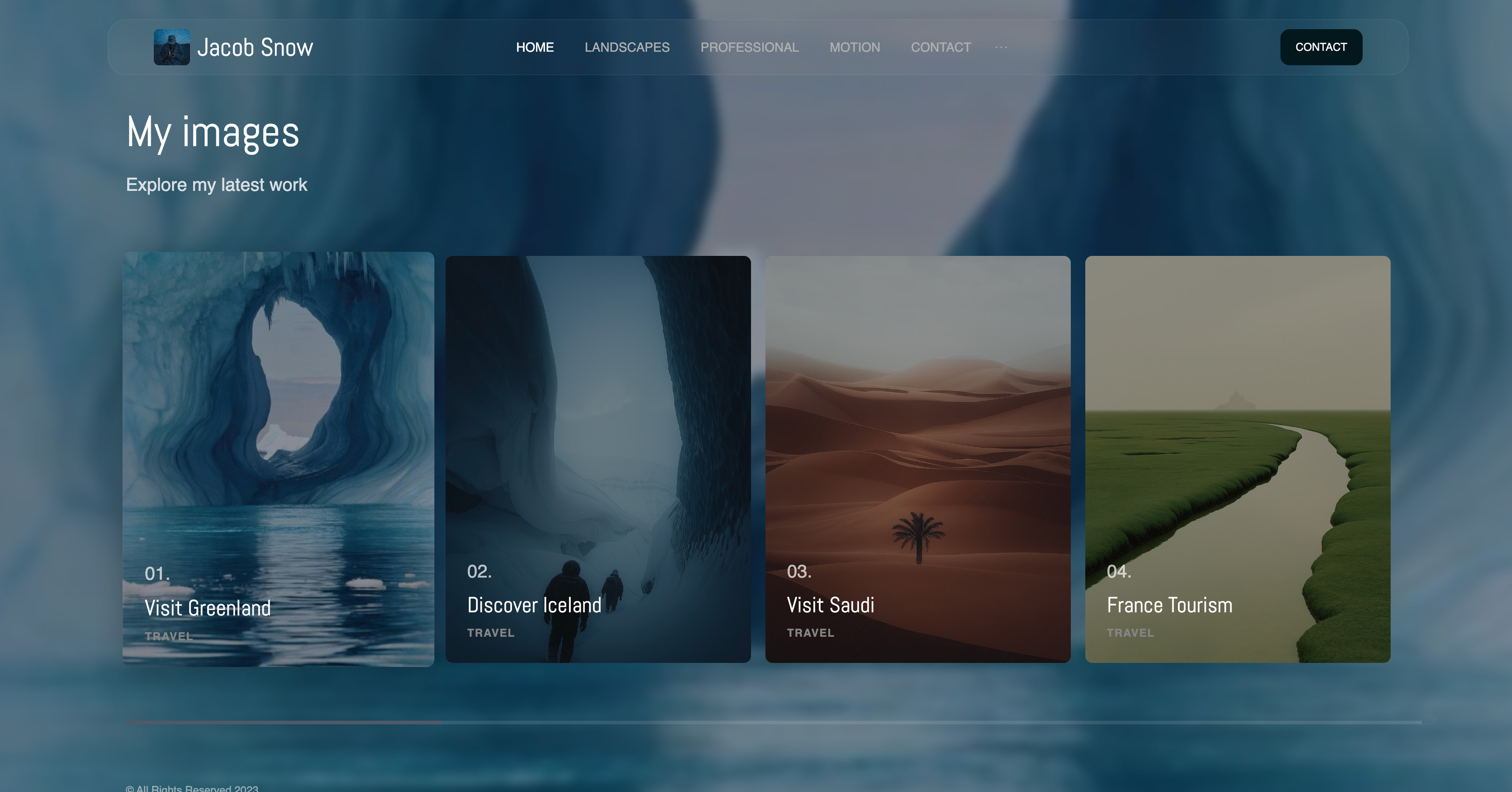
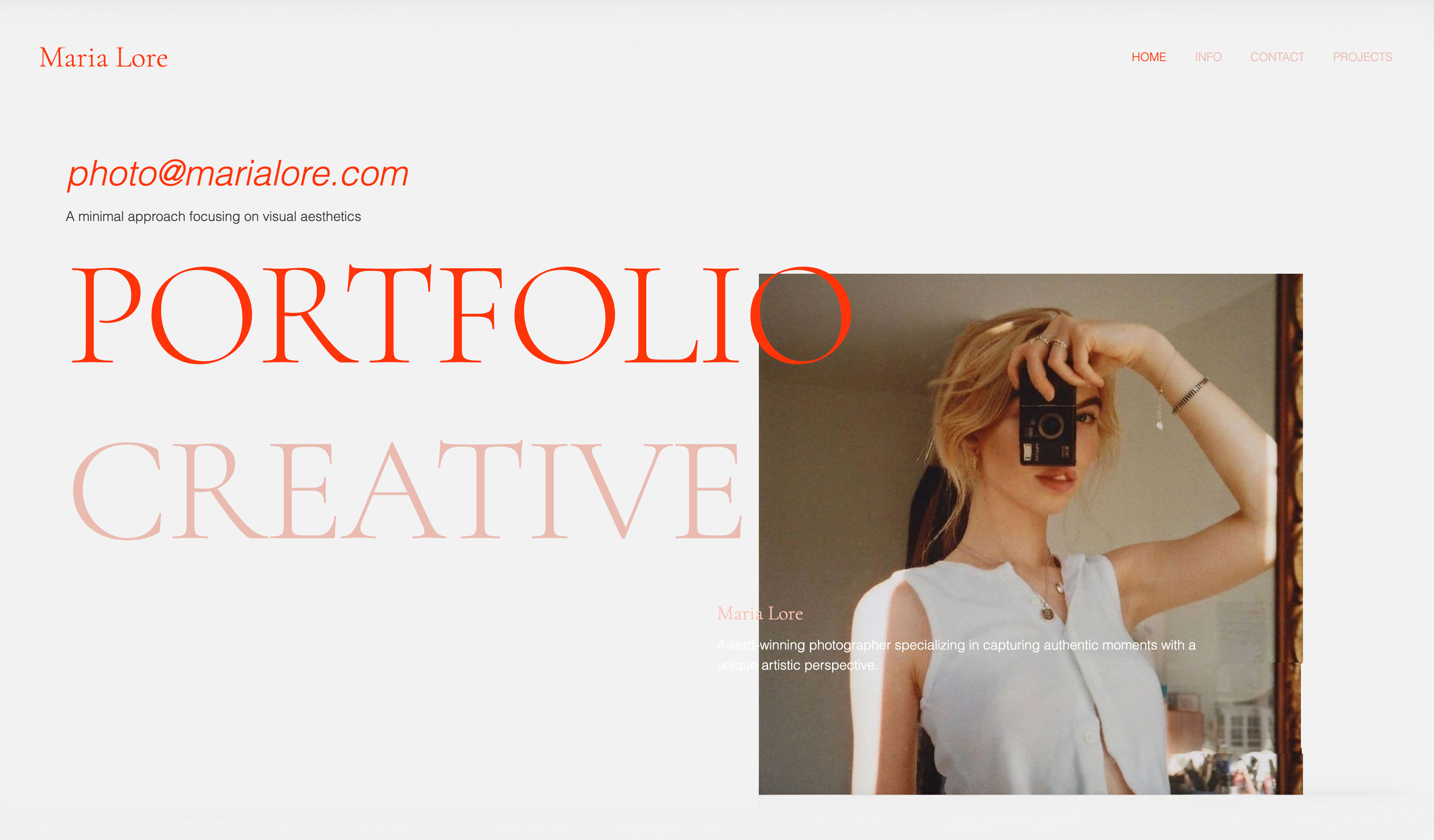
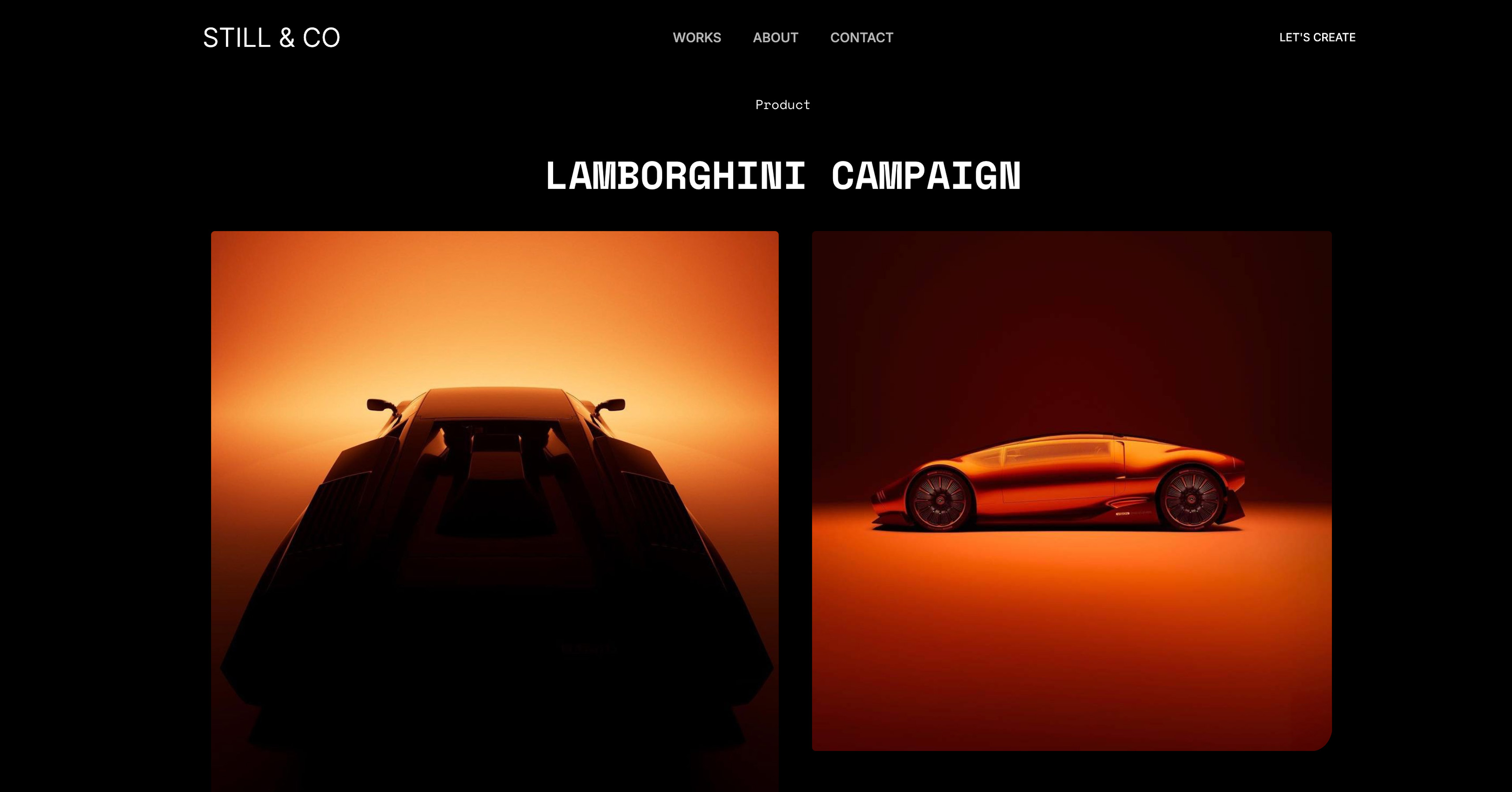
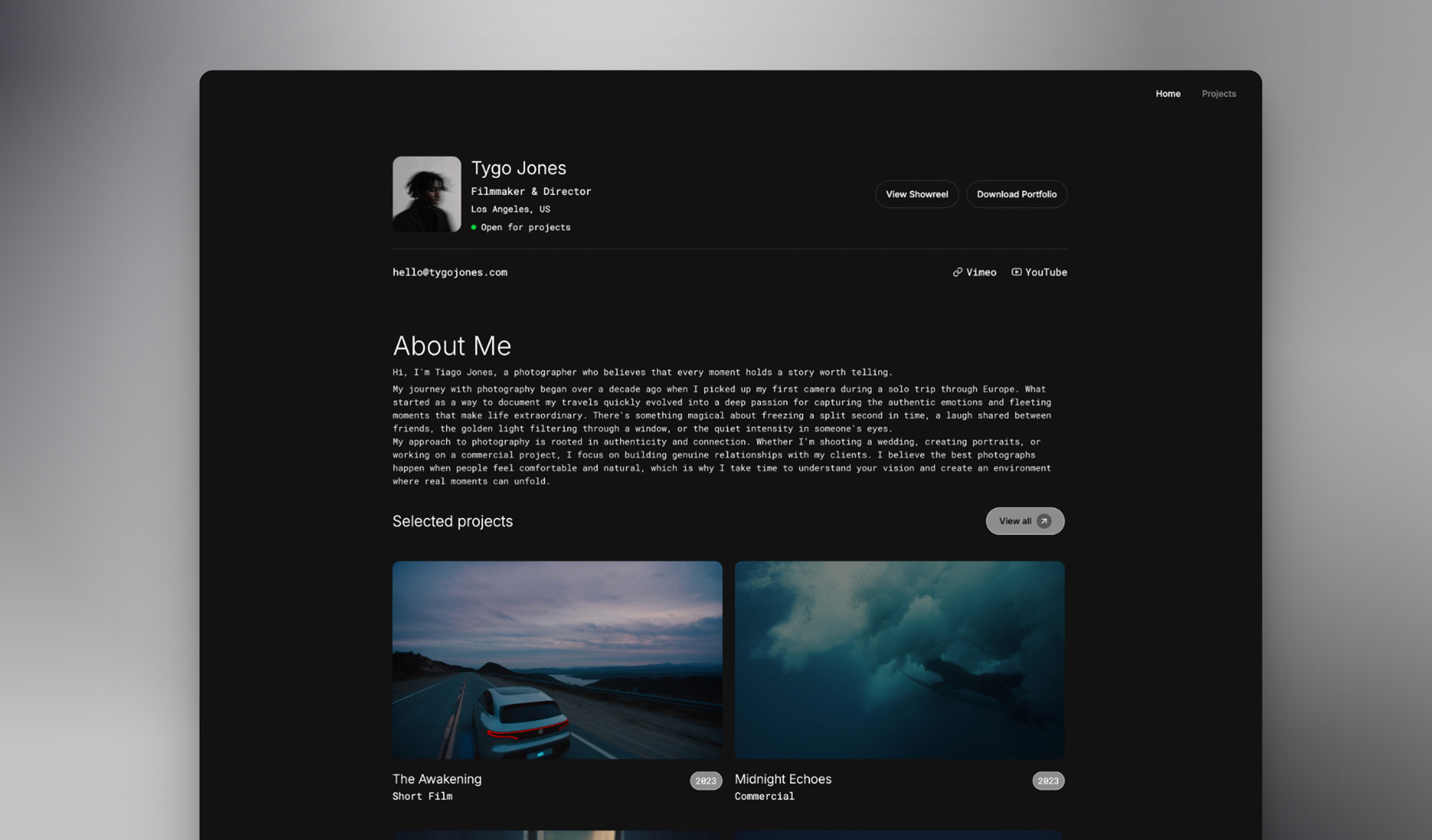
Start from a designer-made template
 Use template
 Use template
 Use template
 Use template
 Use template
 Use template
 Use template
 Use template
The delivery gallery is the most widely seen thing a photography business produces. A wedding gallery is opened by the couple and then forwarded to parents, siblings, bridesmaids, and the friends who were there, most of them within a day.
Those people just watched you work. Some of them are getting married. A few of them run businesses that need photographs.
Almost none of them can find you afterwards, because the gallery gave them nothing to click and the link belonged to a photo platform rather than to your studio.
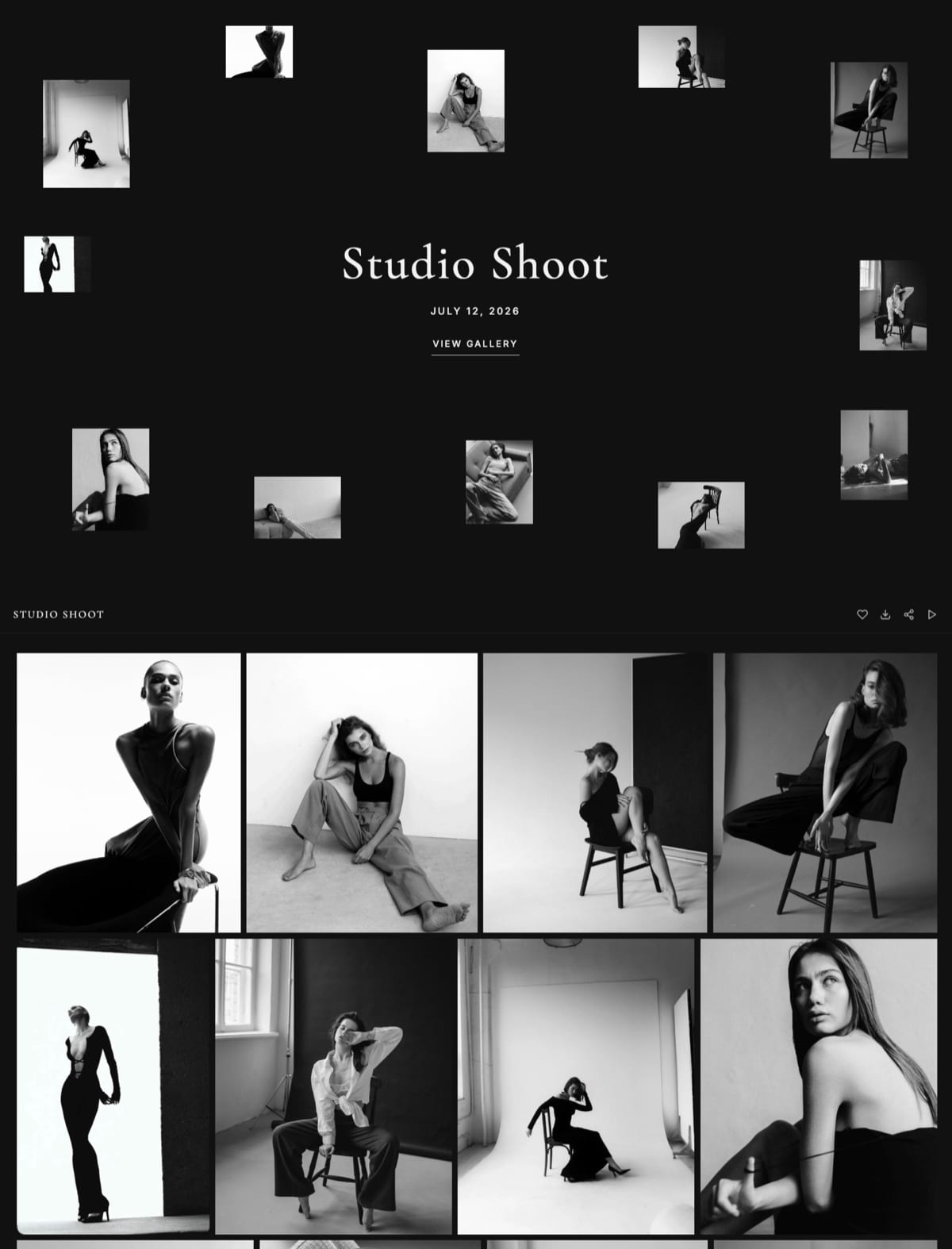
Using client galleries for referrals means designing the delivery so that the people it reaches beyond your client can recognise your studio, find your work, and contact you, without turning the client's own experience into an advertisement.
Framekit is an AI website builder with client galleries included, so a forwarded gallery link lands on your site rather than on a vendor's subdomain, which is the mechanism most of the steps below depend on. Its gallery and domain behaviour was re-verified in September 2026.
Give explicit permission to share, put the gallery on your own domain so every forward leads to your portfolio, add one clear route to contact you inside the gallery, make one ask in the delivery email rather than three, and follow up with the client once at a natural moment rather than repeatedly.
The honest trade-off is restraint: a gallery that sells hard converts worse than one that simply makes you findable, because the person forwarding it stops forwarding it.
Why Galleries Out-Refer Social Media
| Channel | Audience | Timing | Proof shown |
|---|---|---|---|
| A forwarded client gallery | 20 to 60 people who attended | Days after seeing you work | A complete delivered job |
| A social post | Followers and some strangers | Whenever they scroll | Your best few frames |
| Paid advertising | Bought by demographic | Unrelated to any event | A curated selection |
Three reasons, and none of them are about audience size. They all come from the context a gallery arrives in, which is something no advertising channel can manufacture at any budget.
The audience is pre-qualified. Everyone opening a wedding gallery attended the wedding or knows the couple. They are demographically and socially adjacent to your ideal client in a way no advertising audience is.
The timing is perfect. They are looking at photographs of an event they enjoyed, in a moment of goodwill, days after seeing you work. Nobody is in that state scrolling a feed.
The proof is complete. They are not seeing your ten best frames. They are seeing an entire job delivered, which answers the question every enquiry is really asking.
The constraint is that this audience is invisible unless you build a path for them, and most galleries are a cul-de-sac by design.
Step One: Give Permission to Share
Clients hesitate to forward a password-protected gallery because the password makes it feel confidential, and that hesitation quietly costs you most of the audience this entire approach depends on reaching.
Say it explicitly in the delivery email: "You are very welcome to send this link and password to family and friends." One sentence removes the ambiguity entirely.
Then make sharing safe rather than risky. A gallery password lets a couple circulate the link freely; a separate download PIN means forwarding it does not hand every recipient your full-resolution files.
Framekit includes both on every plan including free, and that combination is what lets you be generous with viewing without being reckless with the files.
Consider a highlights set for sharing. Forty to eighty of your strongest frames, easy to browse on a phone, is far more likely to be forwarded than a 700-image run. The full gallery sits behind it for the couple.
Step Two: Put the Gallery on Your Own Domain
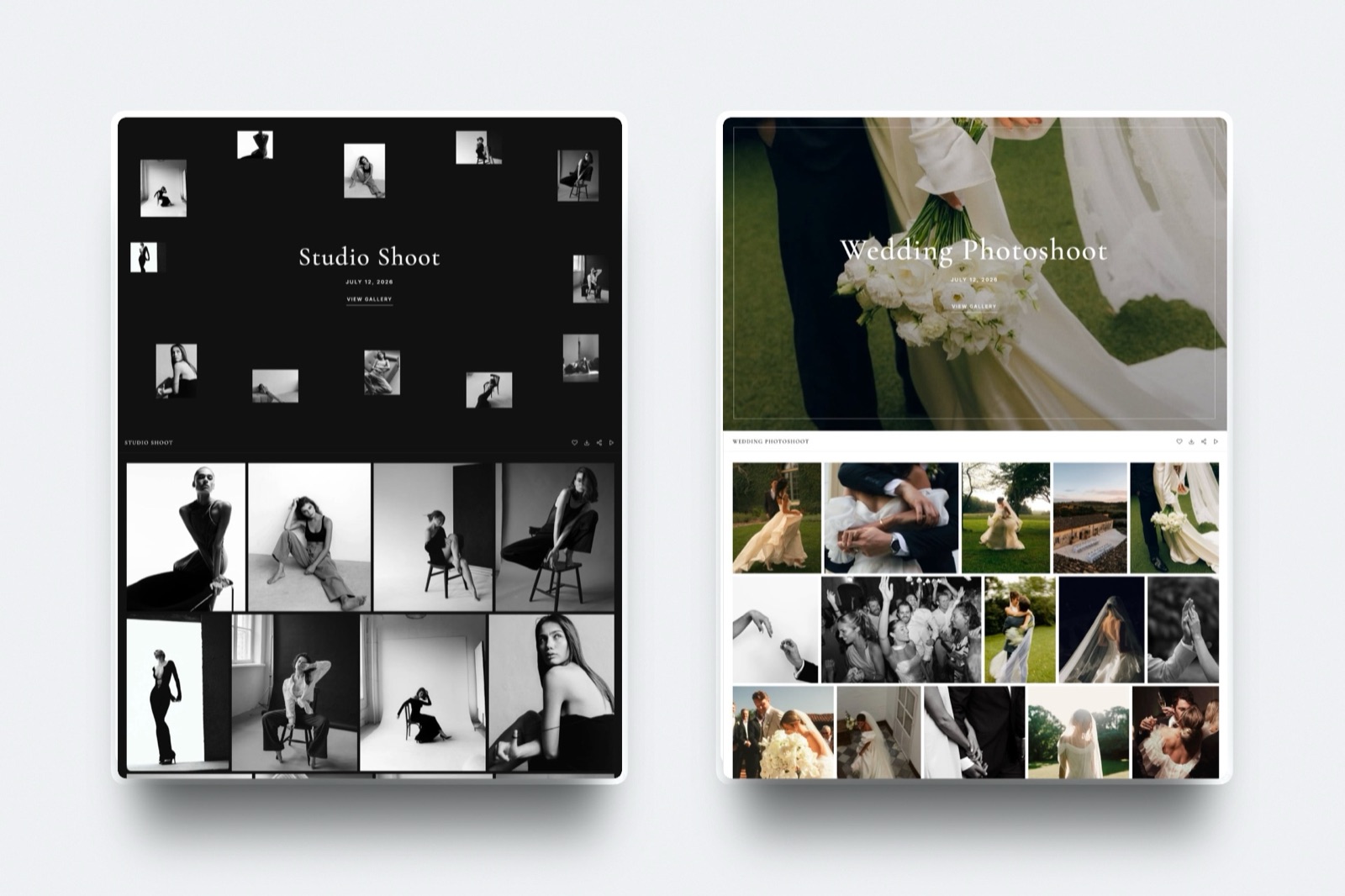
In one linethis is the step that converts a forwarded link from anonymous traffic into a visit to your business, because a gallery on a vendor subdomain sends every guest to a photo platform's product while a gallery on your domain puts them one tap from your portfolio and your contact page.
On a hosted gallery, a guest who loves your work has three options: remember your name if they saw it, screenshot something, or give up. Most give up.
On your own domain, the gallery header is your site's header. The portfolio is a tap away. The enquiry form is two. Nothing has to be remembered.
The search side compounds too.
Links to a gallery on your own domain build authority for the site your portfolio lives on, while links to a vendor subdomain build it for the vendor, which our custom domain comparison explains in detail.
Framekit publishes galleries as pages of your own website from the $9 Starter plan, with the vendor badge removed and your own fonts.
Step Three: Make Yourself Findable Inside the Gallery
Three small additions, none of which interrupt the browsing experience or change how the delivery feels to the client who actually paid for the photographs.
A studio name and one line at the bottom. Your name, the city you work in, and an email address. That is enough for a guest who wants to enquire and costs nothing to anyone who does not.
A link to your portfolio. On your own domain this is automatic through the site navigation. On a hosted gallery, add it manually in the gallery description.
A single sentence about availability. "Currently booking 2027 weddings" is information rather than a pitch, and it converts because it creates a reason to act now.
What not to do: pop-ups, interstitials, discount banners, or anything that interrupts a couple looking at their wedding for the first time. Every one of those reduces forwarding, which reduces the audience the rest of this depends on.
Step Four: Make One Ask, in the Right Place
The delivery email is where the ask belongs rather than the gallery itself, and there should be exactly one of them, chosen to match the genre you shoot rather than listed as options.
For weddings, ask for sharing: "If you enjoy these, sending the link to family is the single kindest thing you can do for a photographer." It converts because it is honest and small.
For portraits and families, ask for a review instead, since the audience is smaller and the referral path runs through reputation rather than forwarding.
For commercial work, ask for a testimonial or an introduction to a colleague, which is what actually moves that market.
Never ask for three things. An email requesting a share, a review, a print order, and a referral gets none of them, and the structure that works is covered in our guide to how to write a photo delivery email.
Step Five: Follow Up Once, at the Right Moment
The follow-up that actually generates referrals is not a reminder about anything, it is a prompt arriving at a moment when the client is already talking about you to somebody else.
Four to eight weeks after delivery is the first natural point, when the album conversation is live and friends are asking who shot the wedding.
The first anniversary is the second, and it is the strongest. A short note with two images from the day, and a line noting you are booking the following season, arrives when a couple's engaged friends are actively looking.
Keep the gallery live so those messages have somewhere to point.
A link that expired at 90 days makes an anniversary note awkward rather than warm, which is one of several reasons our guide to how long client galleries should stay online recommends twelve months minimum.
Do not automate this into a sequence. Two personal messages in a year outperform six scheduled ones, and photography referrals run on warmth rather than cadence.
What to Measure
You need three numbers to know whether any of this is working, and every gallery platform records at least two of them without you configuring anything.
Unique visitors per gallery. This is your actual reach. A wedding gallery with 45 unique visitors reached 45 people; one with 3 was never forwarded and something in step one is missing.
Traffic from galleries to your portfolio. Only visible when the gallery is on your own domain, which is the practical argument for it. If guests browse from the gallery to your work, the path is functioning.
Enquiries mentioning a past client. The only number that matters commercially, and the one you have to record manually. Ask every enquiry how they found you and write the answer down.
Our comparison of client galleries with analytics covers what each platform reports and which figures are worth acting on.
Frequently Asked Questions
How do client galleries generate referrals?
A wedding gallery is forwarded to 20 to 60 people who attended the event, all of whom are socially adjacent to your ideal client and are looking at a complete job rather than a curated highlight reel.
Referrals come from making that audience able to find you: explicit permission to share, a gallery on your own domain so every forward leads to your portfolio, and one clear contact route inside the gallery.
Should I let clients share their gallery link?
Yes, and you should say so explicitly, because clients hesitate to forward anything password-protected and that hesitation costs you most of the audience.
Make it safe rather than risky by using a gallery password for viewing and a separate download PIN for files, so circulating the link does not circulate every full-resolution image. Framekit includes both on every plan including free.
Does a gallery on my own domain really matter for referrals?
It is the difference between anonymous traffic and a visit to your business. On a vendor subdomain, a guest who loves your work has to remember your name and search for you later, and most do not.
On your own domain the gallery carries your site's navigation, so the portfolio is one tap away and the contact page is two, with nothing left to memory.
What should I put in the gallery to get enquiries?
Three small things: your studio name and city with an email address at the bottom, a link to your portfolio, and one sentence about availability such as "currently booking 2027 weddings".
Avoid pop-ups, banners, and discount interruptions entirely, because anything that intrudes on a couple seeing their photographs for the first time reduces forwarding, and forwarding is what the whole referral path depends on.
When should I follow up with a client after delivery?
Twice: four to eight weeks after delivery, when the album conversation is live and friends are asking who photographed the wedding, and again at the first anniversary with two images and a line noting you are booking the following season.
Keep the gallery live so both messages have somewhere to point. Two personal notes a year outperform an automated sequence in this market.
Should I ask for a review or a share?
One or the other, chosen by genre.
Weddings convert best on a sharing ask because the link travels to people planning their own; portraits and families convert best on a review because the audience is smaller and reputation carries more weight; commercial work converts best on a testimonial or an introduction.
Asking for several things in one email reliably produces none of them.
How many people see a typical client gallery?
A wedding gallery typically reaches 20 to 60 unique visitors, a family session 5 to 15, and a corporate delivery 4 to 12.
Across 30 weddings a year that is 600 to 1,800 people who have seen a complete body of your work in a context of goodwill.
Every gallery platform records unique visitors, so you can check whether your galleries are actually being forwarded rather than assuming.
Do discounts in the gallery increase referrals?
They tend to reduce them, because a discount banner turns a personal delivery into a promotion and makes the client less comfortable forwarding it.
Information converts better than incentives here: a line saying you are booking a particular season gives a motivated guest a reason to act without changing what the gallery feels like to the person who paid for it.
How do I track referrals from galleries?
Watch three numbers: unique visitors per gallery, which is your reach; traffic from galleries to your portfolio, which is only visible when the gallery is on your own domain; and enquiries that mention a past client, which you have to record manually by asking every enquiry how they found you.
The third is the only one that is commercially decisive and the only one no platform reports.
Can I use guest email capture on a wedding gallery?
You can, and it belongs on a shareable highlights gallery rather than on the couple's own delivery, because gating a client's wedding photographs behind a form reads badly at the worst possible moment.
Capture works when the visitor arrived voluntarily and understands the exchange, which our guide to client galleries with email capture covers along with when not to use it.
The Short Version
Say the link can be shared. Put the gallery on your own domain so every forward leads somewhere. Add a name, a link, and one line about availability inside the gallery. Make one ask in the delivery email. Follow up twice in a year, personally.
Then keep the gallery live, because an anniversary note pointing at a dead link is the opposite of a referral.
Related reading: how to write a photo delivery email, what to include in a client gallery, how long client galleries should stay online, and our full client gallery platform comparison.
For the wider question of winning work from your site, see how to get clients from your website and how to get photography clients.
The American Society of Media Photographers publishes business practice guidance covering client relationships and referrals.