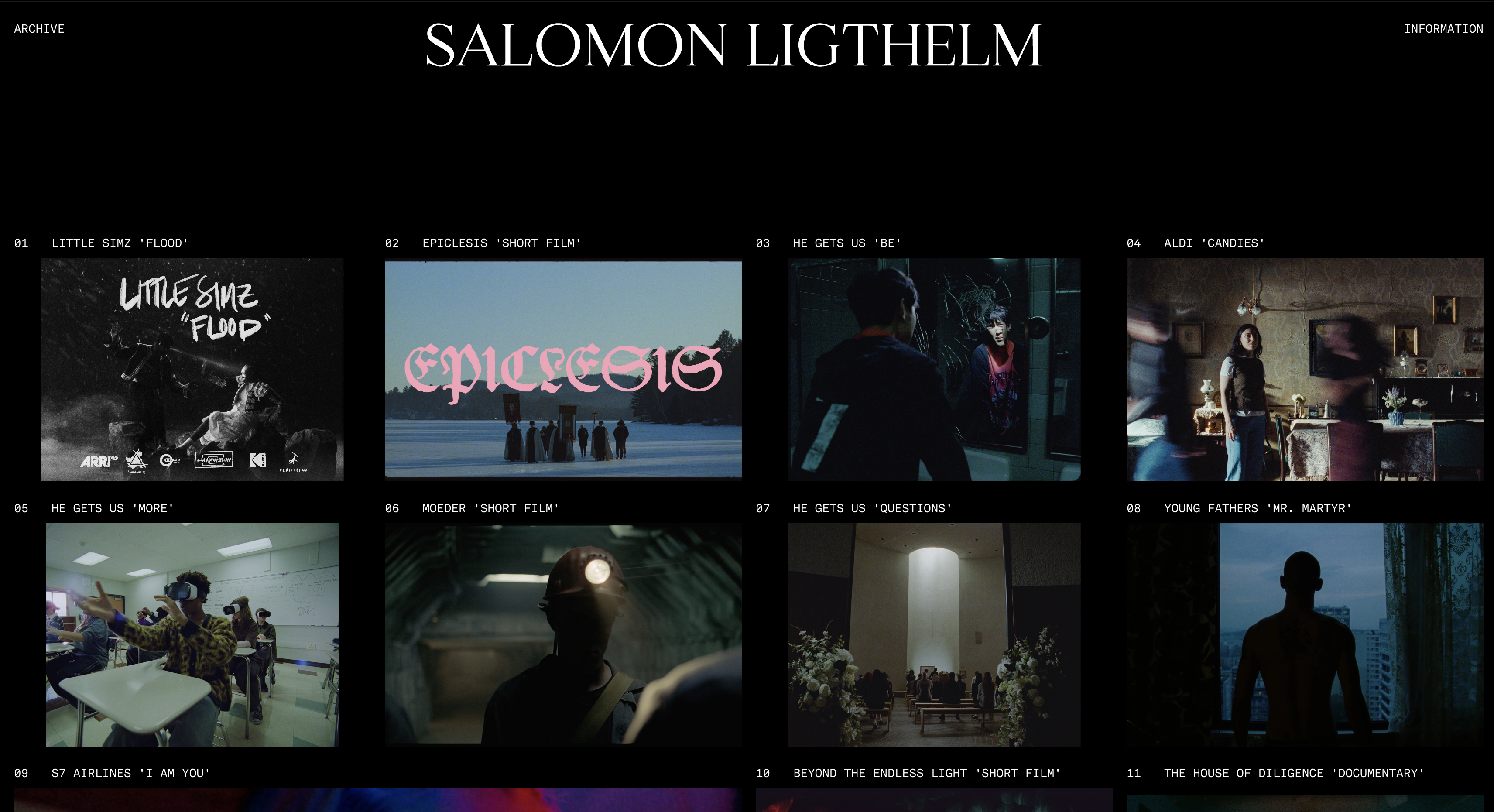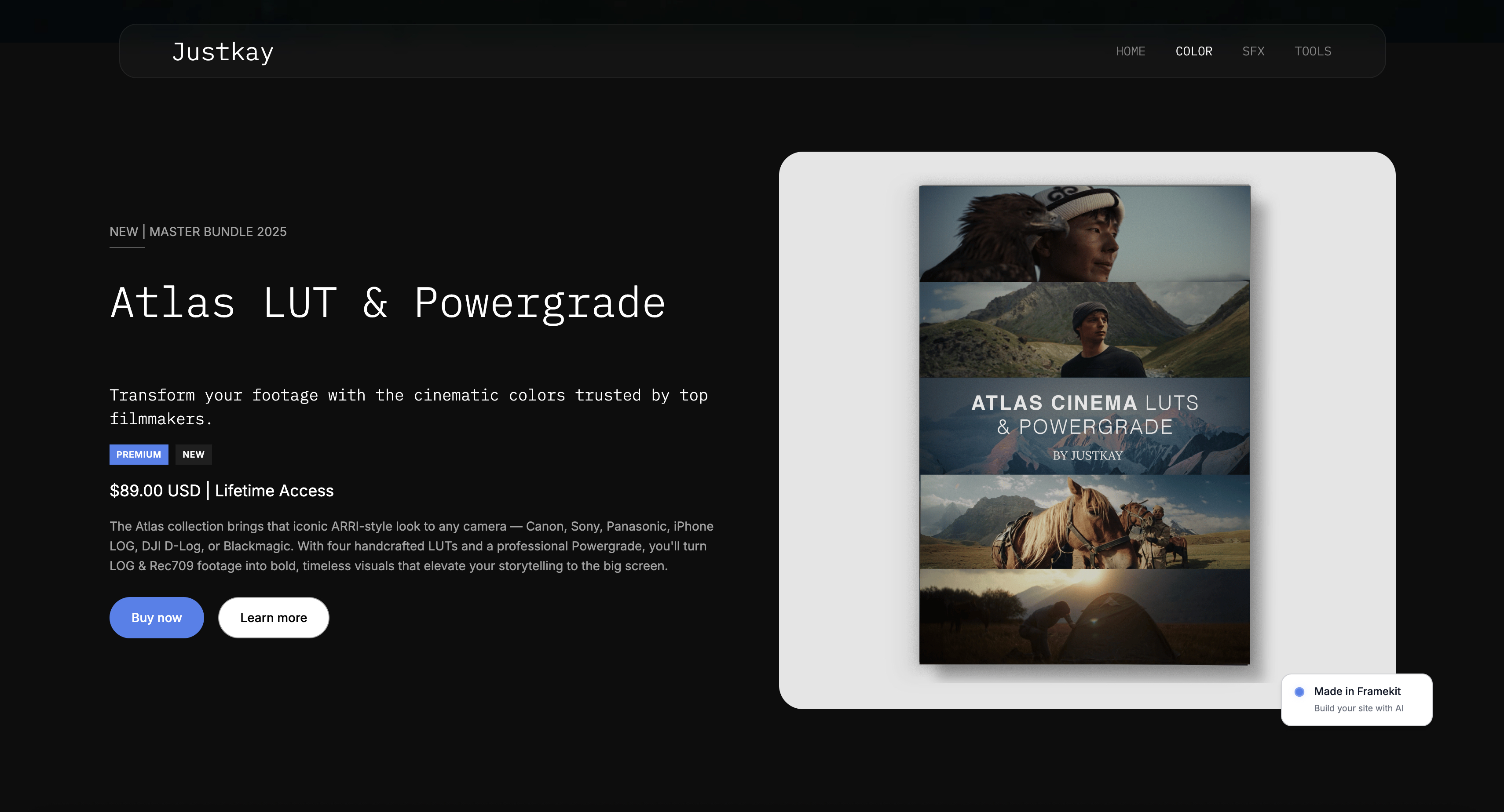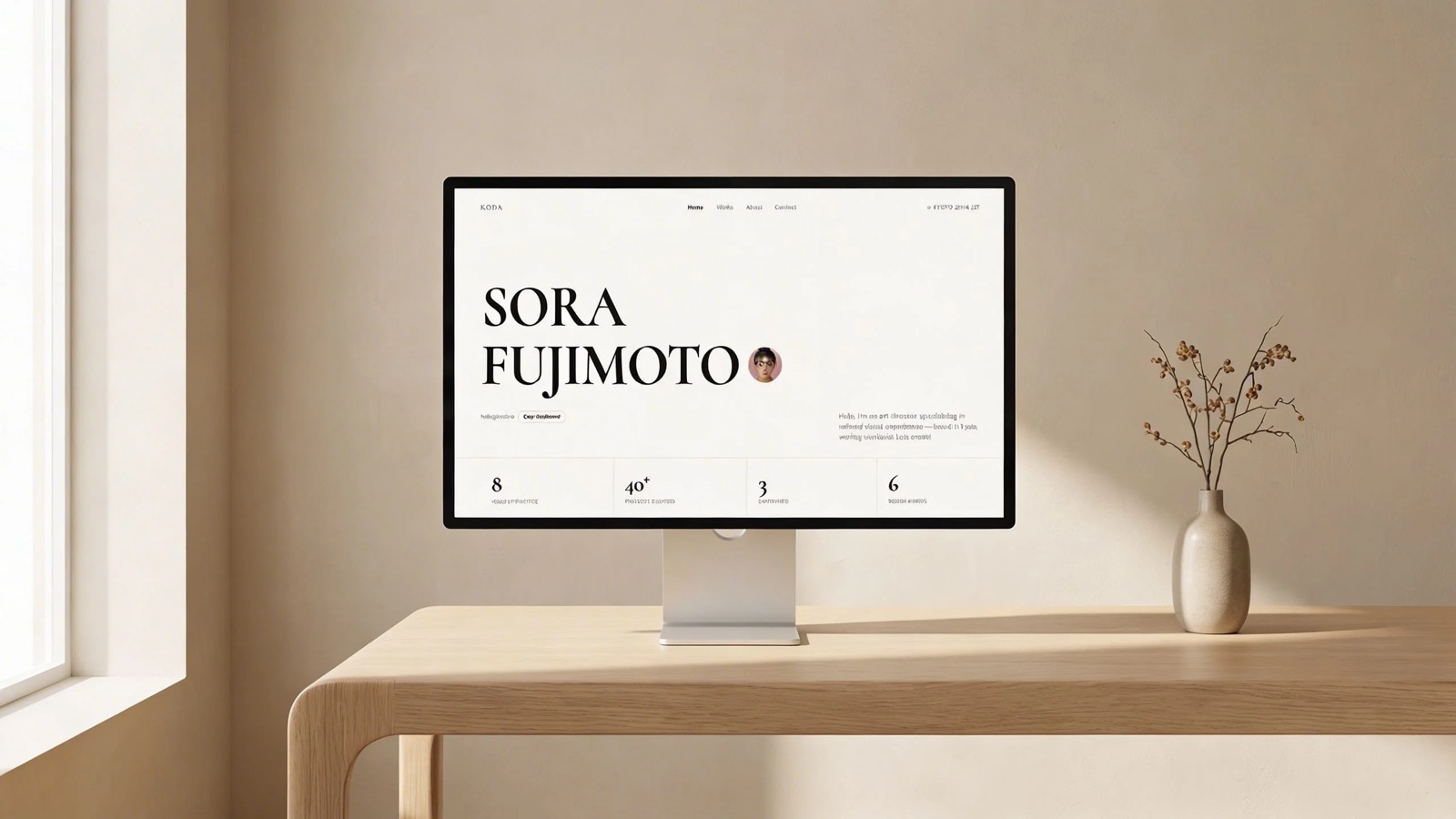
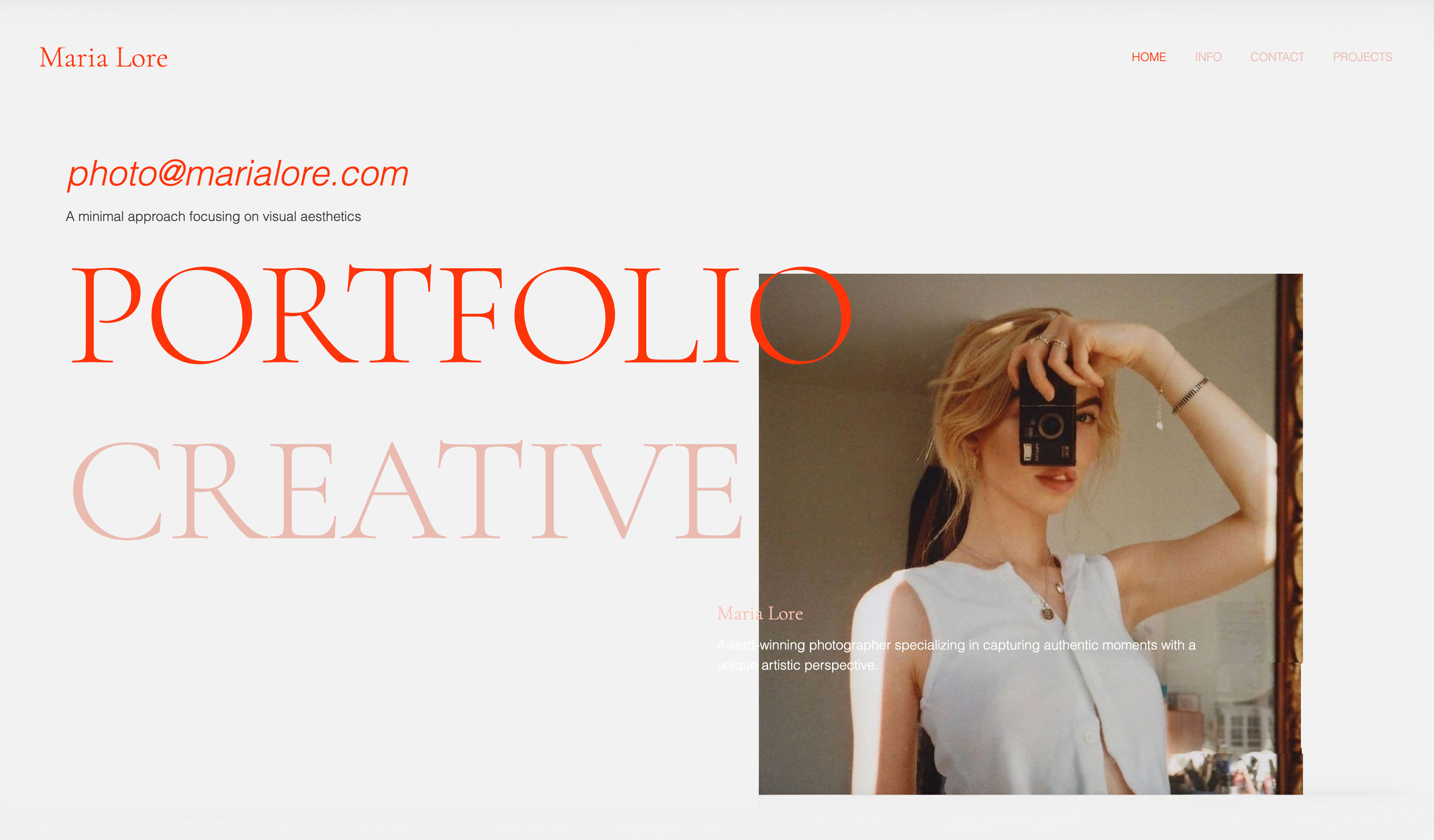
Framekit templates
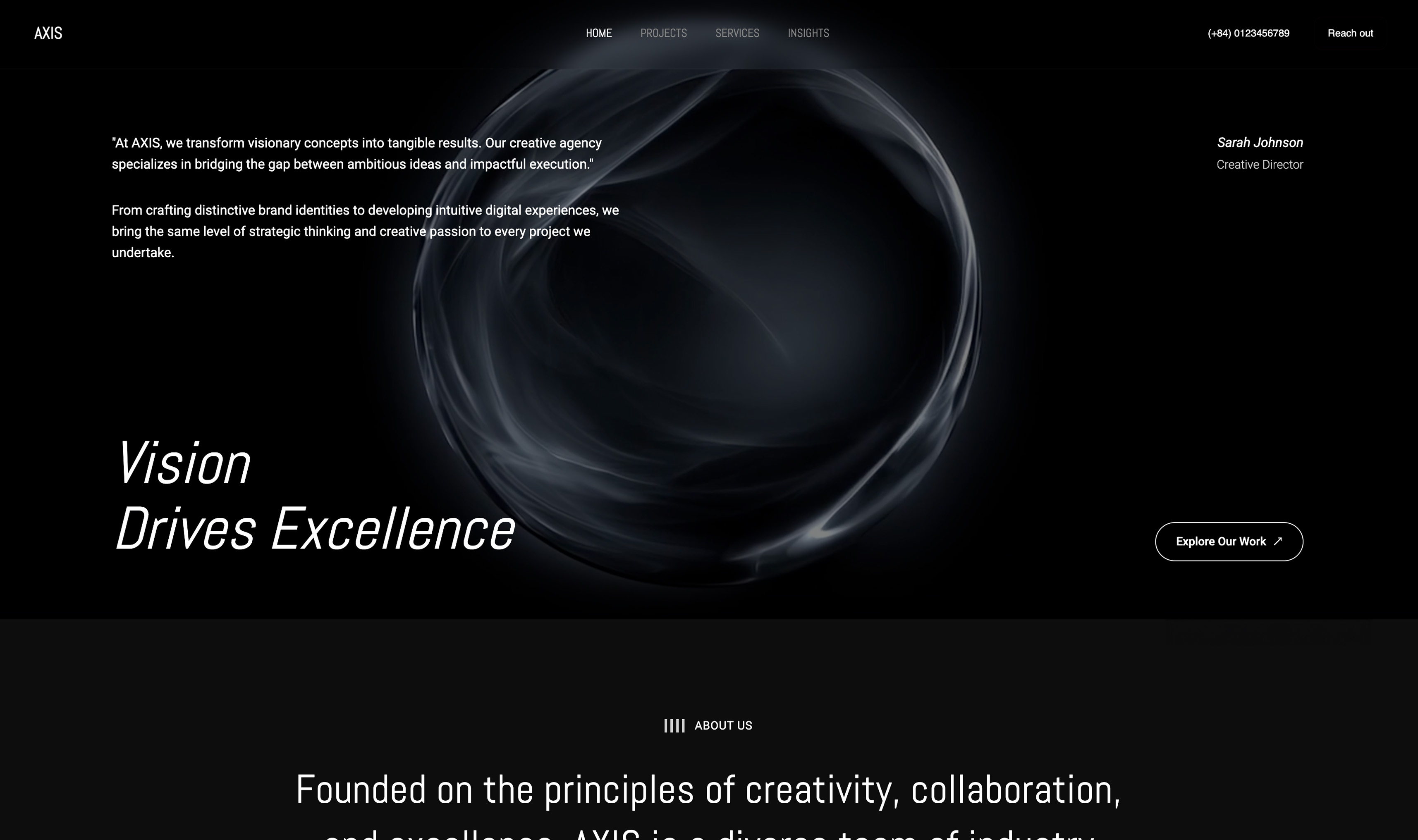
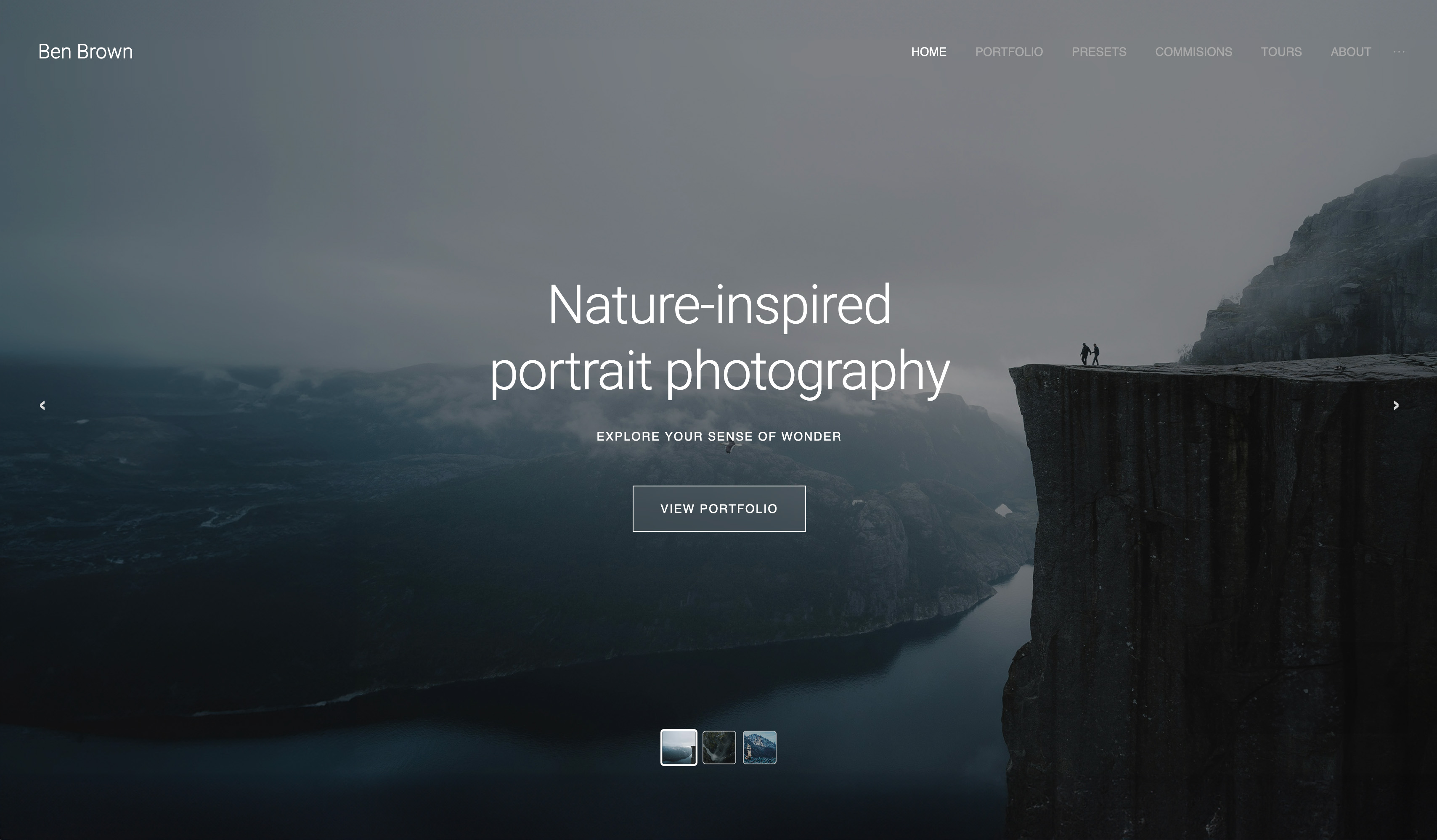
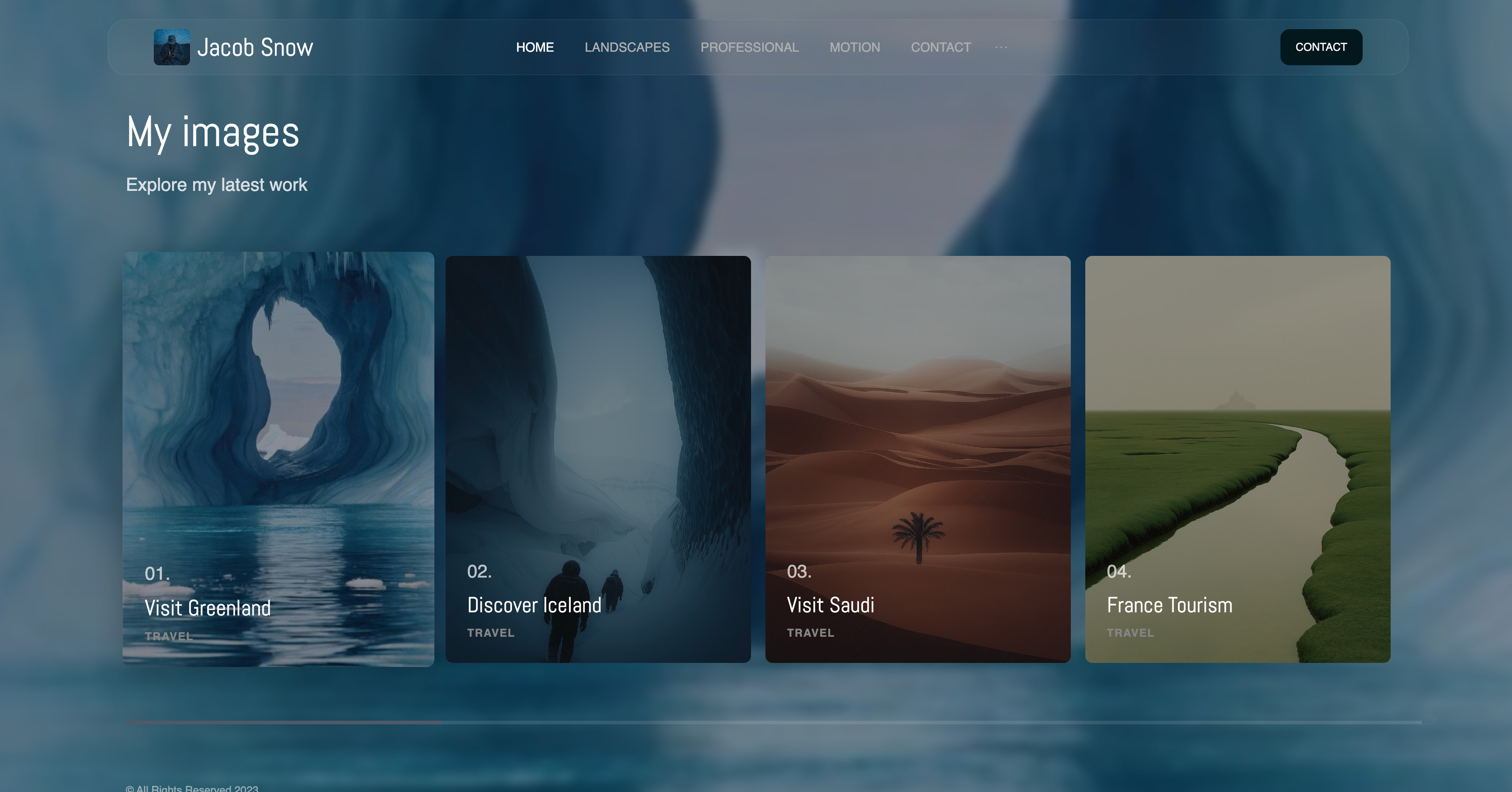
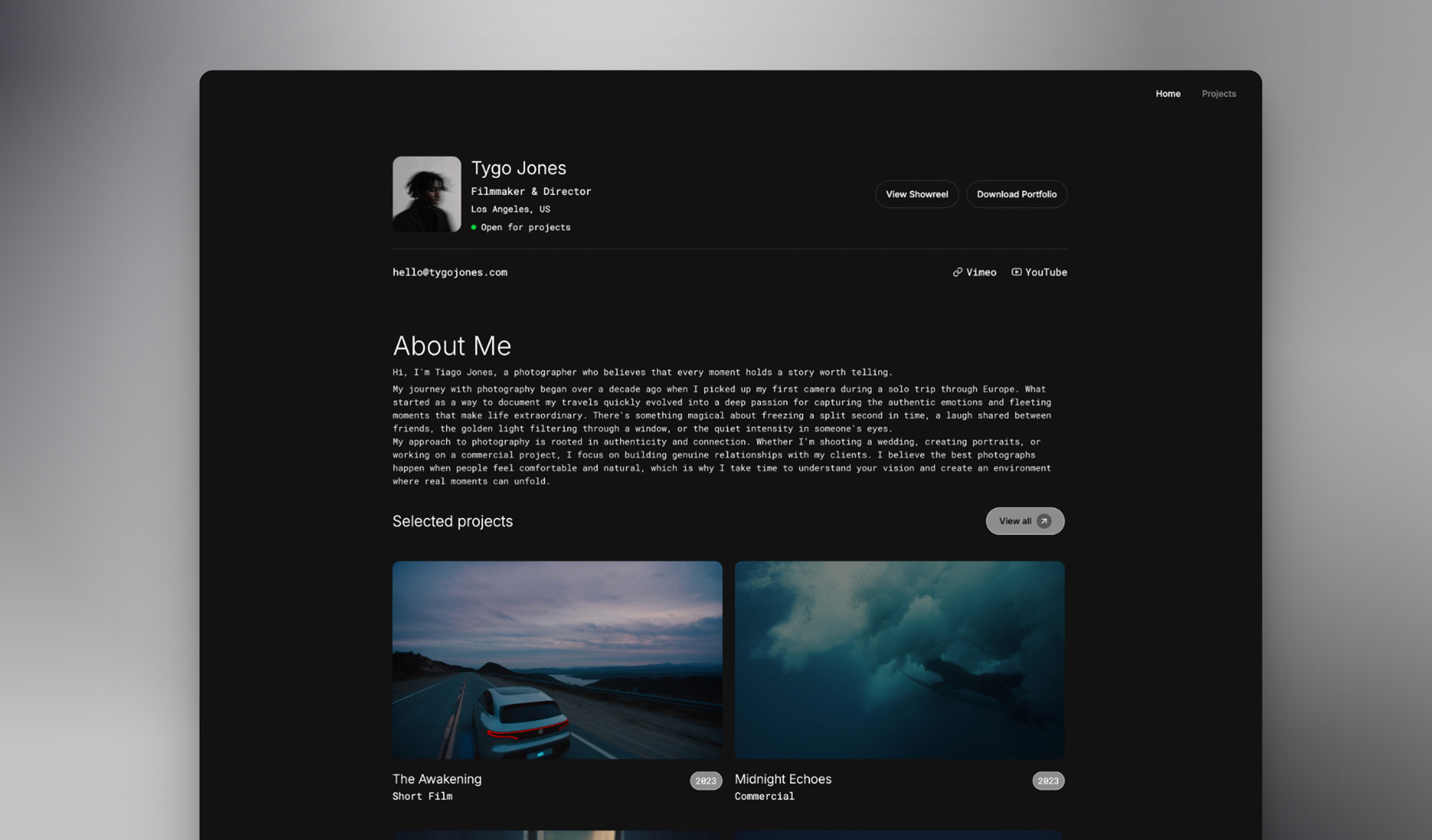
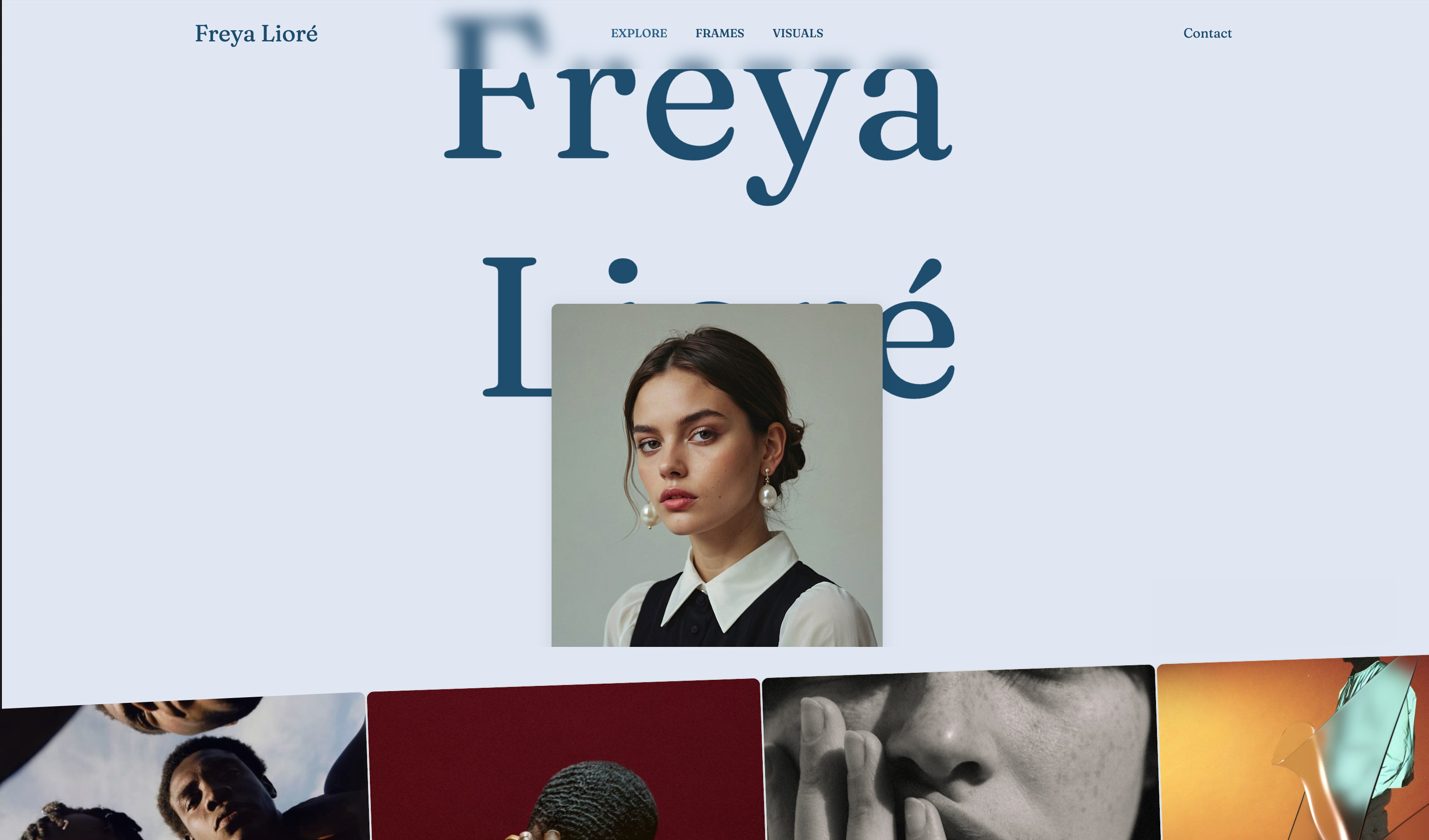
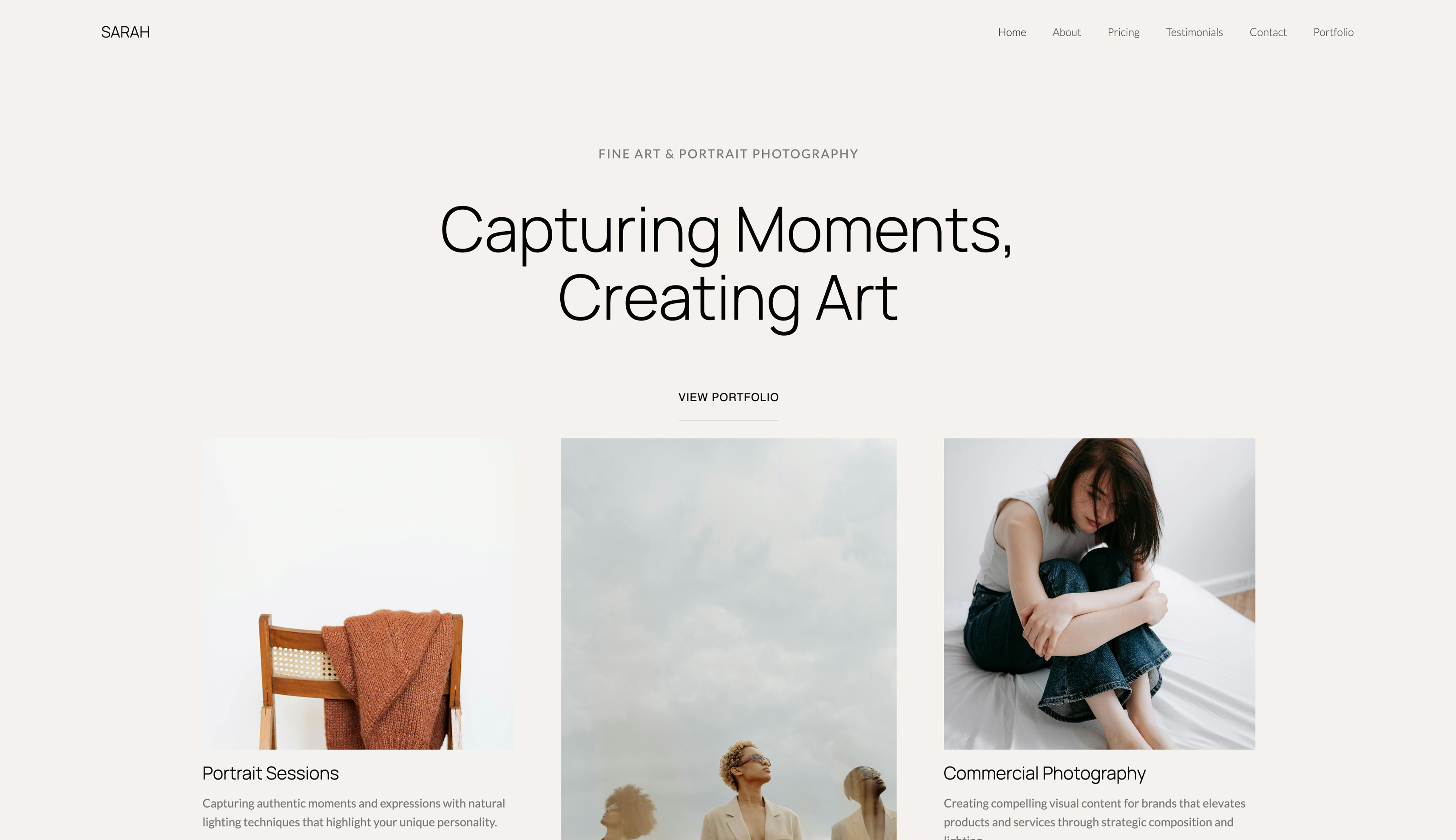
Start from a designer-made template
 Use template
 Use template
 Use template
 Use template
 Use template
 Use template
 Use template
 Use template
Most client galleries fail in the same four places, and none of them are the photographs. The cover is a random frame. The images arrive as one undifferentiated run of 600. Nothing says when downloads close.
And there is no instruction anywhere telling the client what the little heart does.
The result is a gallery that delivers files perfectly and produces nothing else: no favorites, no reprint order, no forwarded link, and three emails asking questions the gallery should have answered.
Knowing what to include in a client gallery is the difference between a delivery and a piece of service design. The photographs are the same either way.
A client gallery is a branded web page that presents a shoot's finished images to the client, with the structure, access controls, and instructions that let them view, select, download, and share the work without needing to ask you anything.
Framekit, which we make, carries every item on the checklist below on a page of your own portfolio site, with the film from the same day sitting in the same link.
A complete client gallery includes a deliberate cover image with the client's name, images split into named sets rather than one long run, a short welcome note with instructions, favorites enabled, clearly stated download rules and deadlines, password or PIN protection, a licence or usage line for commercial work, and a visible route back to your website.
The honest trade-off is time: a properly assembled gallery takes 15 to 25 minutes longer than dragging in a folder, and that time is what removes the follow-up emails.
Framekit is an AI website builder with client galleries included, so every item on this checklist lives on a page of your own site rather than a vendor's.
The Complete Checklist
Everything below does a specific job in the client's experience, and the right-hand column is what predictably happens when you leave it out. Work through the list once and it becomes a house style you apply in minutes.
Re-verified 20 September 2026: the Framekit cover-style and typography counts quoted below were recounted against the shipped gallery design options, and the note on file types was corrected now that galleries carry video.
| Include | Why it matters | Cost of omitting |
|---|---|---|
| A chosen cover image with the client's name | Sets the tone in the first second | Gallery reads as a file dump |
| Named sets, not one long run | Makes 600 images navigable | Clients scroll, stall, and ask which ones you like |
| A two-line welcome note | Tells the client what to do | Emails asking how to download |
| Favorites, switched on and explained | Produces a selection list | An email describing photo 447 |
| A stated download window | Creates urgency, prevents disputes | Expired-link complaints |
| A stated gallery lifespan | Sets expectations for reprints | Angry email in month fourteen |
| Password, and a separate download PIN | Lets clients share viewing safely | Full-resolution files forwarded to anyone |
| Full-resolution and web-sized options | Stops clients resizing badly | Your work posted at 800 pixels wide |
| A licence line on commercial work | Reaches whoever downloads | Usage disputes with parties who never signed |
| A link back to your site | Turns delivery into marketing | The relationship ends at the download |
| Your contact details, in the gallery | Makes reprints easy to ask for | Missed reorders |
Eleven items, most of which take under a minute. The full assembly is a twenty-minute job on the first gallery and a five-minute job once you have a house style.
The Cover Image Is a Decision, Not a Default
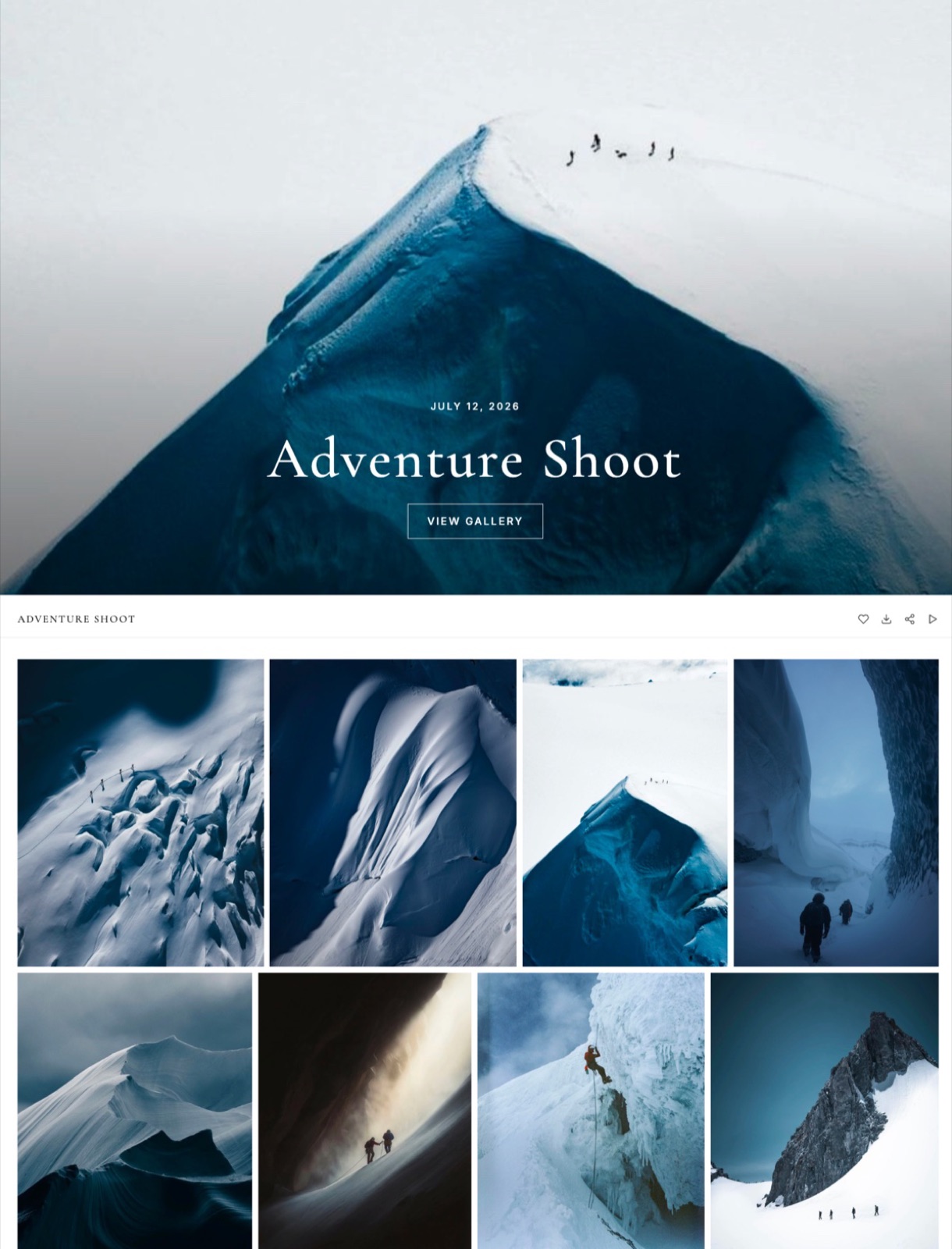
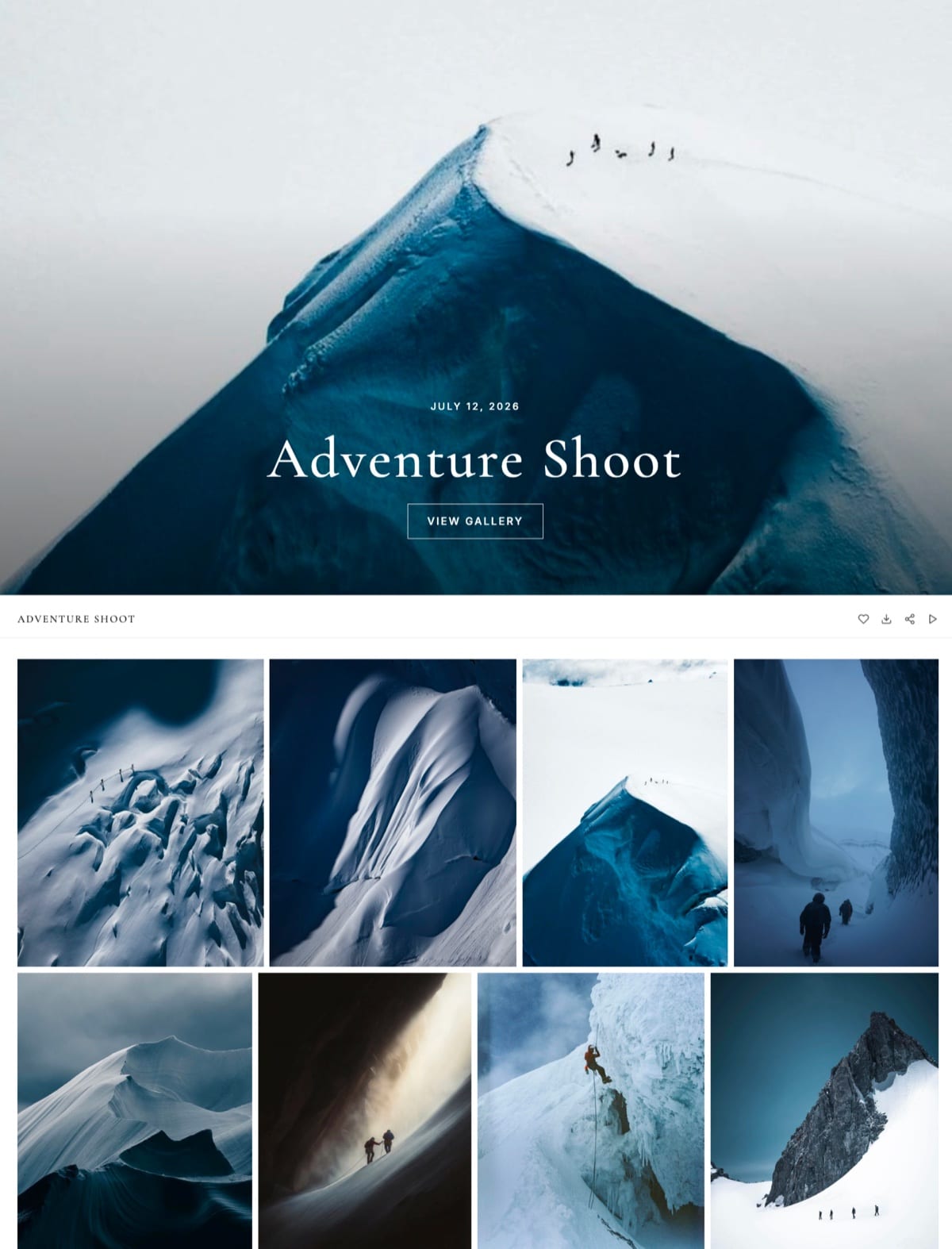
Pick the cover deliberately, because it is the only image most people will see. It appears in the email preview, at the top of the gallery, and in whatever the client forwards to family or a colleague.
Choose a wide frame with space for text. Portrait-orientation covers crop badly on desktop, and a busy frame makes the client's name unreadable over it. A quiet horizontal image with an area of low detail is worth more as a cover than your strongest photograph.
Use the client's name in the title. "Anna and Jonas, 14 June" reads as theirs. "Wedding Gallery" reads as yours, and generic titles are one of the reasons clients forget which link belongs to them when three photographers are involved.
Match the cover style to the work. Framekit ships 17 cover styles and 18 typography presets, which sounds excessive until you deliver a boudoir set and a corporate headshot set in the same week and want them to look nothing alike.
Split the Images Into Sets
In one linea single run of 600 images is the most common structural failure in client galleries, because clients scan the first hundred and stall, which means your strongest later work is functionally invisible and your album selections come from the front of the gallery rather than the best of it.
Sets solve navigation and selling at once. A wedding splits naturally into Getting Ready, Ceremony, Portraits, Details, and Reception. A commercial shoot splits into Heroes, Details, and Alternates. A branding session splits by look or location.
Lead with a highlights set. Forty to eighty of your best frames at the top of the gallery gives the client something shareable and gives you control over first impressions. Everything else sits behind it for the people who want completeness.
Name sets in the client's language, not yours. "Ceremony" beats "Block 2". "Social crops" beats "1x1 export". The names are instructions as much as labels.
Keep the order intentional. Chronological works for weddings and events; strongest-first works for portraits and commercial work. What does not work is the order your export tool happened to produce.
Write the Two Lines Nobody Writes
A short welcome note at the top of the gallery removes most support emails. Two sentences is enough, and it should say what to do rather than how you feel.
Something like: "Tap the heart on any image to mark a favorite, which tells me what to suggest for prints. Downloads are open until 12 November and the gallery stays online until next June."
That single paragraph answers the four questions clients actually ask: how do I choose, how long do I have, will this disappear, and what is the heart for. Photographers who add it consistently report the delivery-related email volume roughly halving.
For commercial work, add a third line naming the licence: "Licensed to Northfield Group, UK, 12 months from delivery." The person downloading is usually not the person who signed the contract, and that line is the only place they will ever see the terms.
Access, Downloads, and the Two Gates
Protection here is not paranoia, it is the mechanism that lets a client share their gallery freely with family and colleagues without also handing the world every full-resolution file you delivered.
Use a gallery password for viewing. It lets a couple forward the link to family with the password and keeps the gallery out of search results and off casual link scrapers.
Use a separate download PIN for collection. This is the control most photographers do not know exists, and it is the useful one: viewing can be shared freely while downloading stays gated.
Framekit includes both the password and an independent download PIN on every plan, including free.
Offer two download sizes. Full resolution for printing and a web-sized option for sharing. Clients who are only given 30MB files will resize them badly in whatever tool is nearest, and your work ends up on social at a quarter of its quality.
Decide whether individual downloads are allowed. For proofing rounds, turn them off and deliver clean files after approval.
For finished consumer galleries, leave them on, because forcing a couple to download 4GB to get one photo for their mother is the fastest way to generate a complaint.
Watermark anything unpaid. A watermarked proofing pass followed by clean files after sign-off is standard practice in commercial work and increasingly sensible in consumer work too.
The Four Things Photographers Forget
A stated deadline. Nearly every expired-link complaint traces back to a gallery that never said when downloads would close. State it in the gallery and in the email, then send a reminder seven days before.
A route back to your site. A gallery that ends at the download is a dead end. A gallery on your own domain has your navigation at the top, which puts your portfolio and your contact page one tap away from the most enthusiastic moment of the whole engagement.
Contact details inside the gallery. Clients forward links. The person who wants a print in eight months may be a parent who has never emailed you and has no idea how.
A line with your studio name and email at the bottom of the gallery converts more reorders than a discount code.
A reason to come back. Print options, an album enquiry line, or simply a note that the gallery stays live for a year.
Reprint requests cluster between month six and month eighteen, which our guide to how long client galleries should stay online covers in detail.
What to Leave Out
More is not better in a client gallery, and five specific inclusions actively hurt the delivery by diluting the work, confusing the selection, or making the page feel like a shop rather than a gift.
Near-duplicates. Twelve frames of the same pose read as indecision. Cull the third pass, not just the first two, and see how many photos to deliver for the counts by genre.
Every black-and-white version. Deliver both only when both are genuinely the better photograph. Otherwise you have doubled the gallery and added nothing.
Unedited or unapproved frames. Anything you would not publish should not be in a gallery a client will forward.
Aggressive upselling. One clear route to prints is service. A gallery that interrupts browsing with offers reads as a shop, and clients stop forwarding it.
RAW files. Gallery platforms including Framekit carry finished stills and finished video rather than camera negatives, and there are good commercial reasons not to hand over camera files at all, which we cover in should you give clients RAW files.
A Ten-Minute Assembly Order
Do the assembly in this sequence and it stops feeling like a chore, because each step sets up the next and nothing has to be redone. The whole run takes about twenty minutes on your first gallery.
- Choose the cover and write the title with the client's name.
- Upload and split into sets, highlights first.
- Write the two-line welcome note, plus the licence line for commercial work.
- Set the password and the download PIN.
- Set the download window and the gallery lifespan.
- Check the gallery on a phone, because that is where it will be opened.
- Send the delivery email with the link, the password, both dates, and one ask.
Step six is the one photographers skip and the one clients experience. Open your own gallery on a phone before you send it, every time.
Frequently Asked Questions
What should a client gallery include?
A client gallery should include a deliberately chosen cover with the client's name, images split into named sets rather than one long run, a two-line welcome note explaining favorites and downloads, favorites enabled, a stated download window and gallery lifespan, password protection with a separate download PIN, full-resolution and web-sized download options, a licence line on commercial work, and a visible link back to your website.
Omitting any one of these produces a specific, predictable support email.
How should I organise photos inside a client gallery?
Split them into named sets that match how the client thinks about the shoot: Getting Ready, Ceremony, Portraits, Details, and Reception for a wedding, or Heroes, Details, and Alternates for commercial work.
Lead with a highlights set of 40 to 80 images so the client has something shareable and your strongest work is not buried behind 500 others. Keep the order intentional, chronological for events and strongest-first for portraits.
Should client galleries be password protected?
Yes, for two reasons: it keeps the gallery out of search results and it lets you separate viewing from downloading. A gallery password can be shared freely with family, while a separate download PIN keeps full-resolution files gated.
Framekit includes both a gallery password and an independent download PIN on every plan including free, which is the combination that lets clients share safely.
What should I write at the top of a client gallery?
Two sentences that tell the client what to do and when: how to mark favorites and what that does for you, then the download deadline and how long the gallery stays online.
For commercial work, add a third line naming the licensed party, territory, and period, because the person downloading is usually not the person who signed the contract.
This paragraph removes most of the follow-up email a delivery generates.
Should I include every photo I edited in the gallery?
Include every photo you would publish and nothing else.
Near-duplicates, alternate versions of the same frame, and both colour and black-and-white treatments of the same image inflate the gallery without adding moments, and clients read the duplication as indecision rather than generosity.
The exception is coverage work such as events, where completeness is genuinely the product.
Do clients need an account to open a client gallery?
They should not, and on most dedicated gallery platforms they do not.
Framekit galleries open with a password and deliver full-resolution downloads without any client account, which matters because forced sign-ups are the most common point of friction in delivery.
Cloud storage services are the opposite: large downloads from a shared folder frequently prompt an account sign-in, which is one of the main arguments against delivering through them.
How do I get clients to actually use the favorites feature?
Tell them what it does for them rather than for you. "Tap the heart on any image and I will use those to suggest print sizes and album spreads" produces far more selections than an unexplained heart icon.
Put the instruction in the gallery welcome note and repeat it in the delivery email, and expect roughly half of consumer clients to use it once they know it has a purpose.
Should a client gallery include prices for prints?
Include one clear route to prints rather than a full price list inside the browsing experience.
A single line inviting the client to reply about prints or albums converts better than an in-gallery shop that interrupts the viewing, particularly for wedding and portrait work where the first pass through the gallery is emotional rather than transactional.
Platforms with built-in stores handle this well; if yours does not, an enquiry line does the job.
What should a commercial client gallery include that a consumer one does not?
Three things: named sets matching the client's teams and outputs, a one-line licence summary naming the licensed party, territory, and period, and a note about who to contact if another agency or partner needs their own licence.
Commercial images travel through developers, contractors, and agencies who never saw your contract, so the gallery is the only place the terms will reach the person downloading.
How long does it take to set up a proper client gallery?
About 20 to 25 minutes on your first one and five to eight minutes once you have a house style, covering the cover choice, set structure, welcome note, access rules, dates, and a phone check before sending.
That time is what removes the three or four follow-up emails an unstructured gallery generates, so it pays for itself on the same job rather than in the long run.
The Short Version
Cover with a name, images in named sets, two lines of instructions, favorites on, both dates stated, password plus download PIN, two download sizes, a licence line for commercial work, and a route back to your site. Check it on a phone before you send it.
Then put the whole thing somewhere that works for you rather than for a platform. A gallery on your own domain turns every one of these details into a touchpoint for your studio instead of a vendor's.
Related reading: how to create a client gallery, how to write a photo delivery email, our client gallery platform comparison, and how to deliver photos to clients.
For the protection side of the checklist see our watermarking tools comparison, and for the client-experience research behind clear instructions, the Nielsen Norman Group publishes usability guidance worth reading before you design a gallery page.