Framekit templates
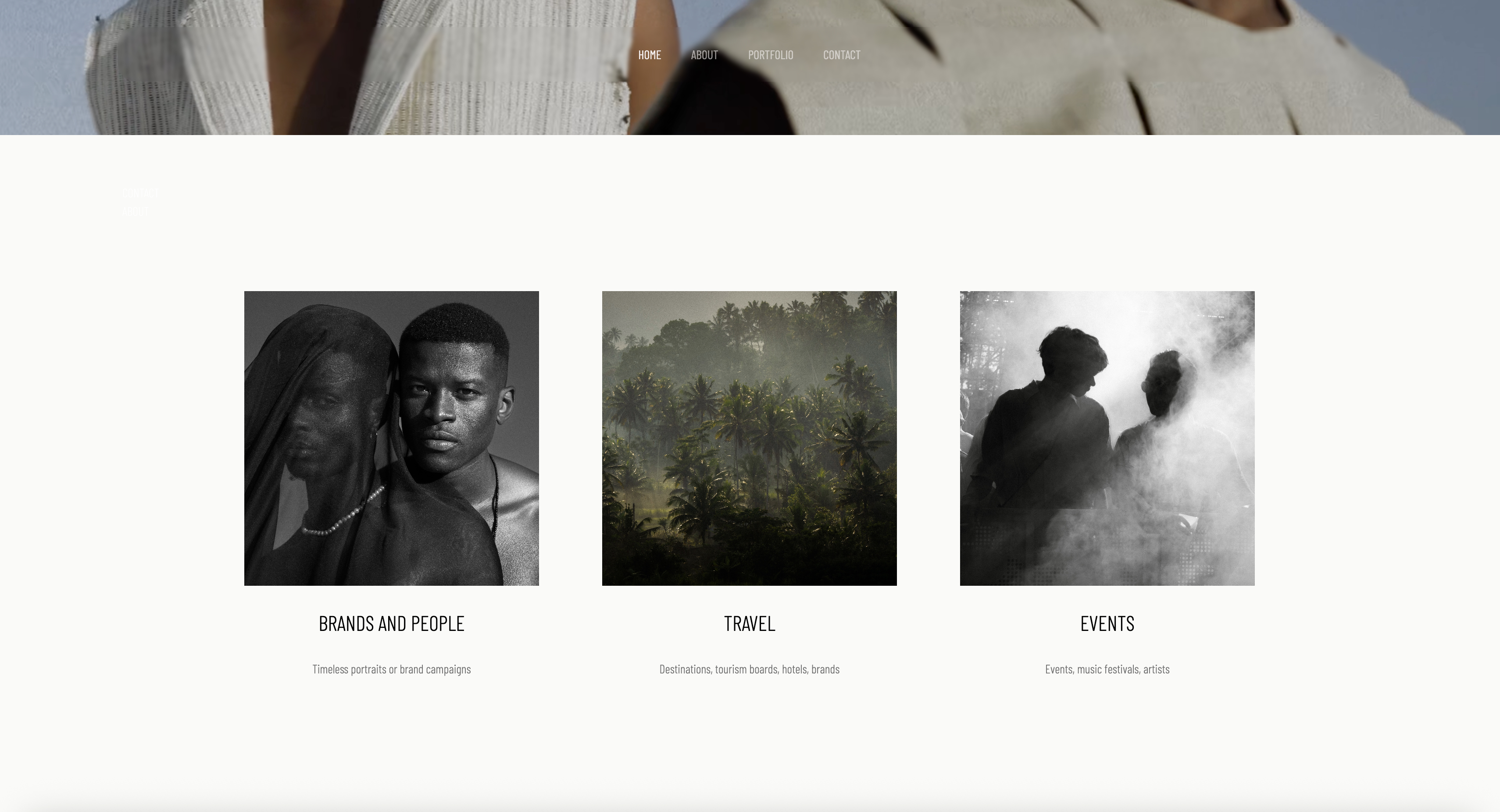
Start from a designer-made template
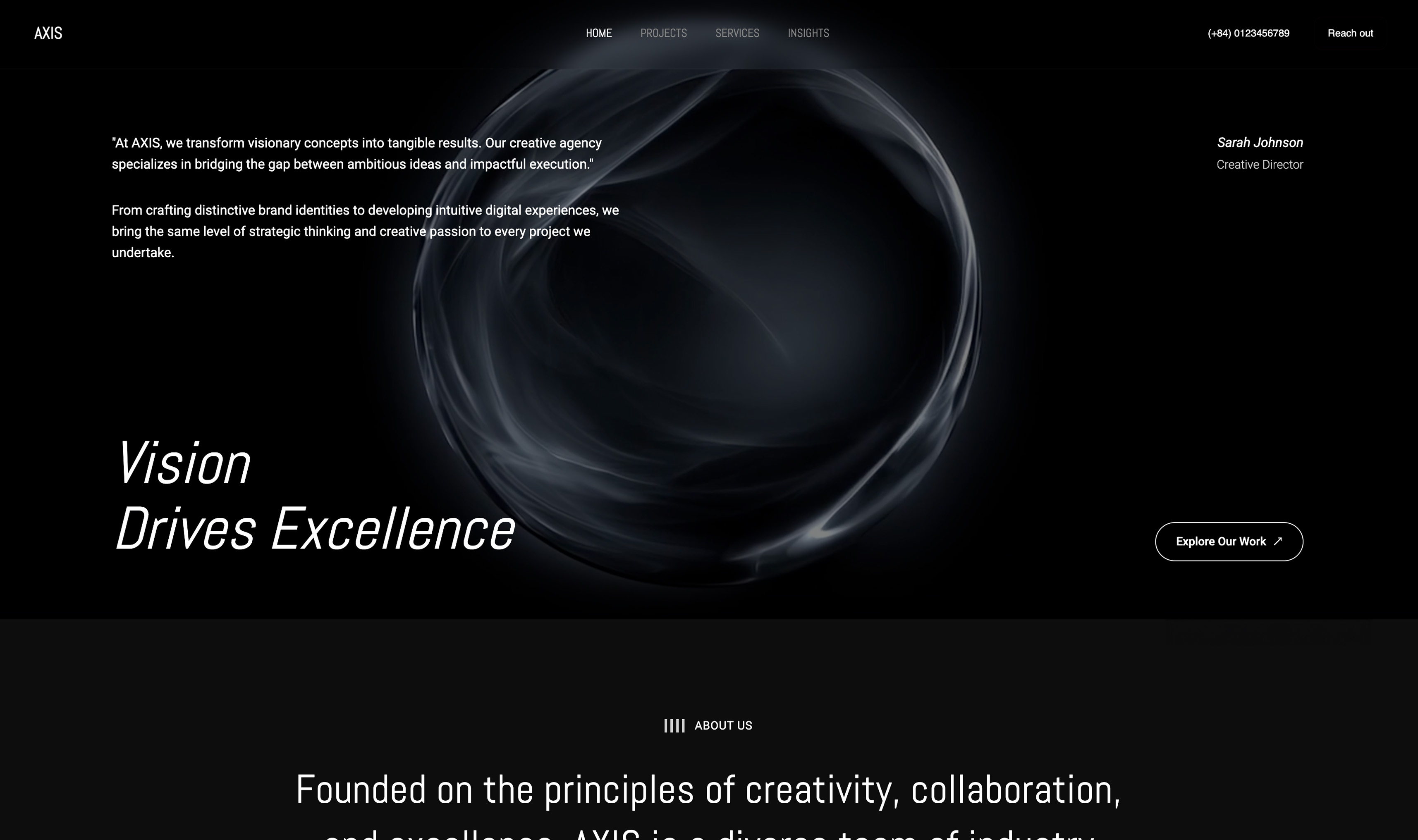 Use template
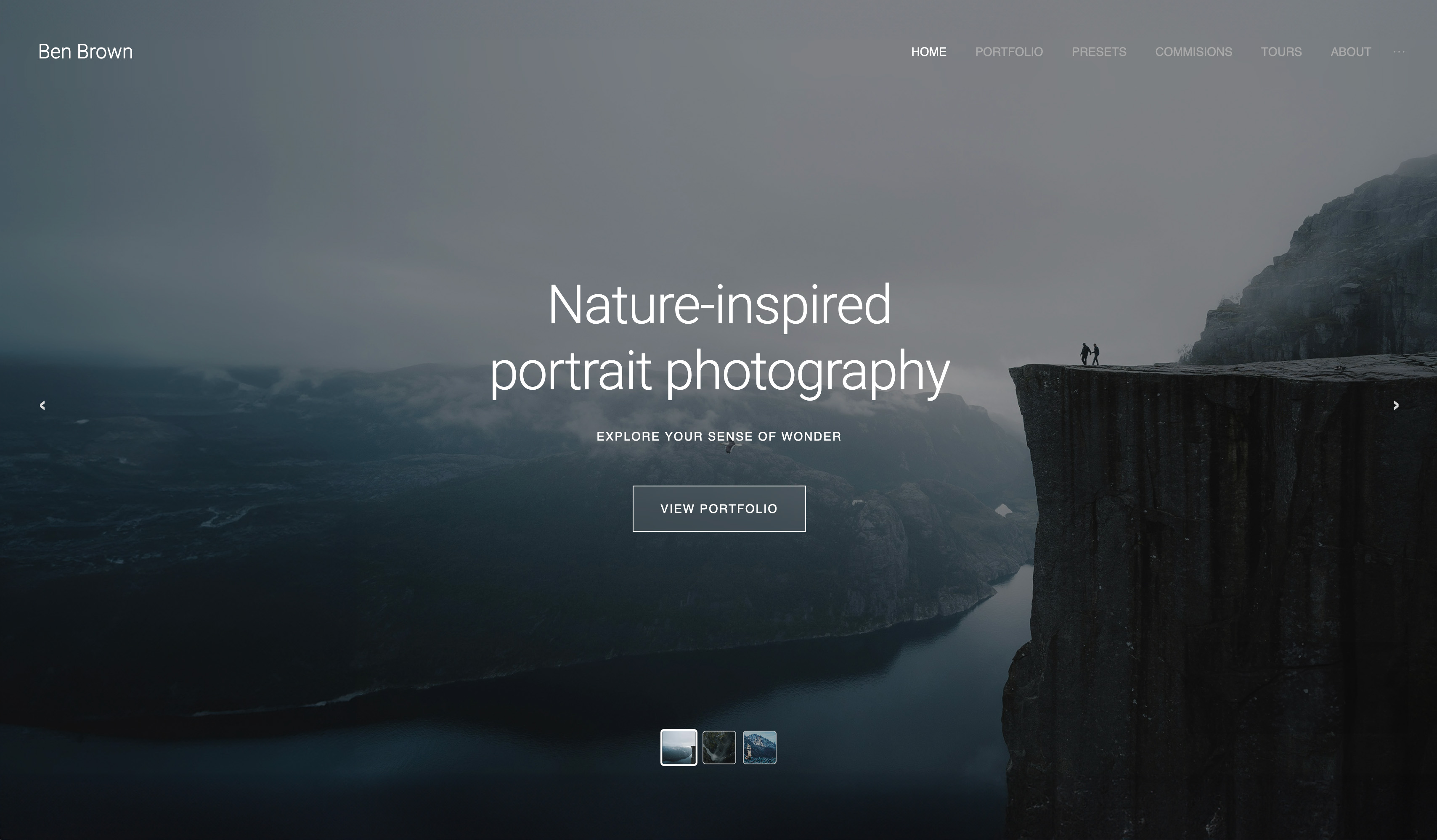 Use template
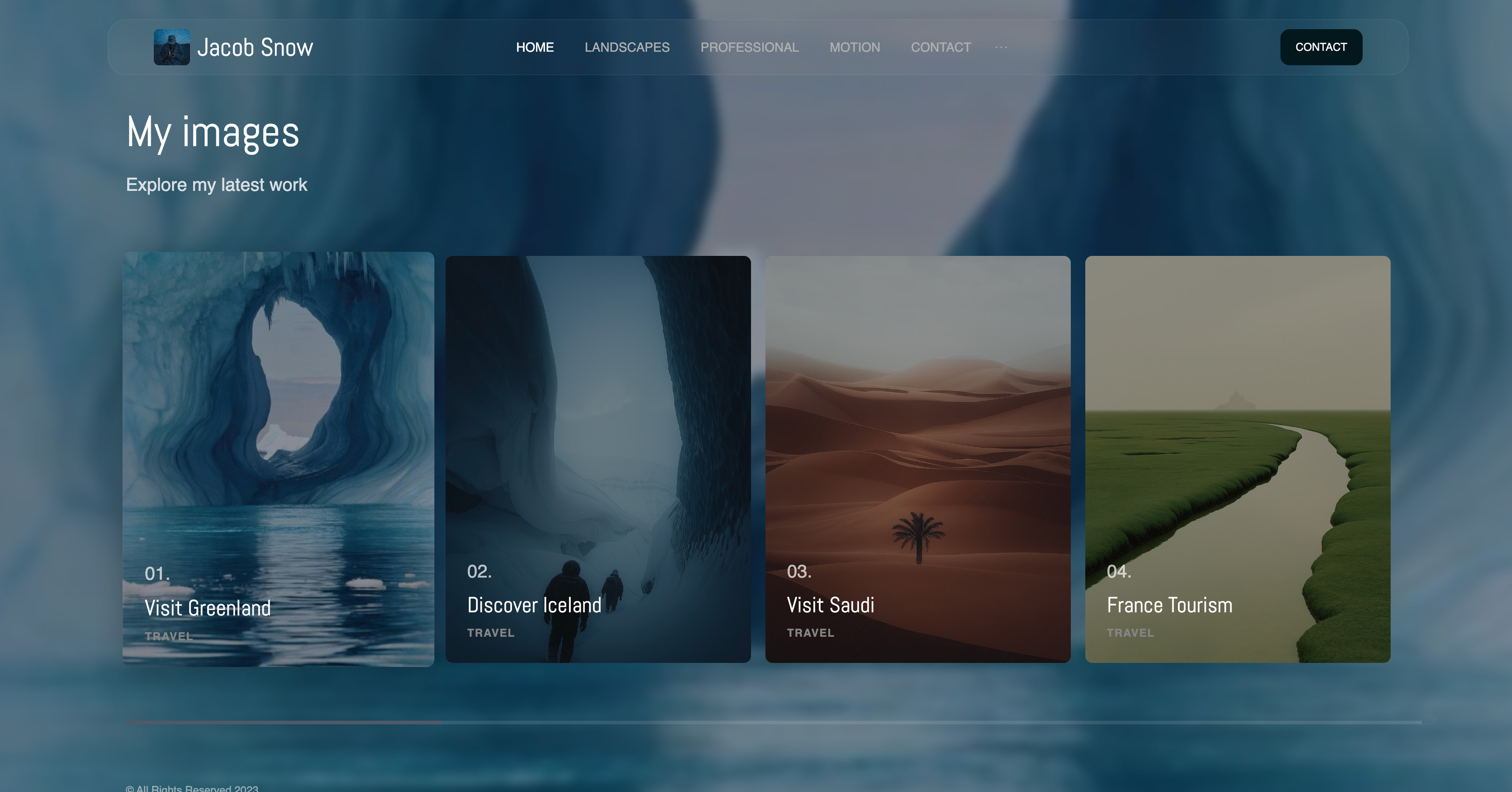 Use template
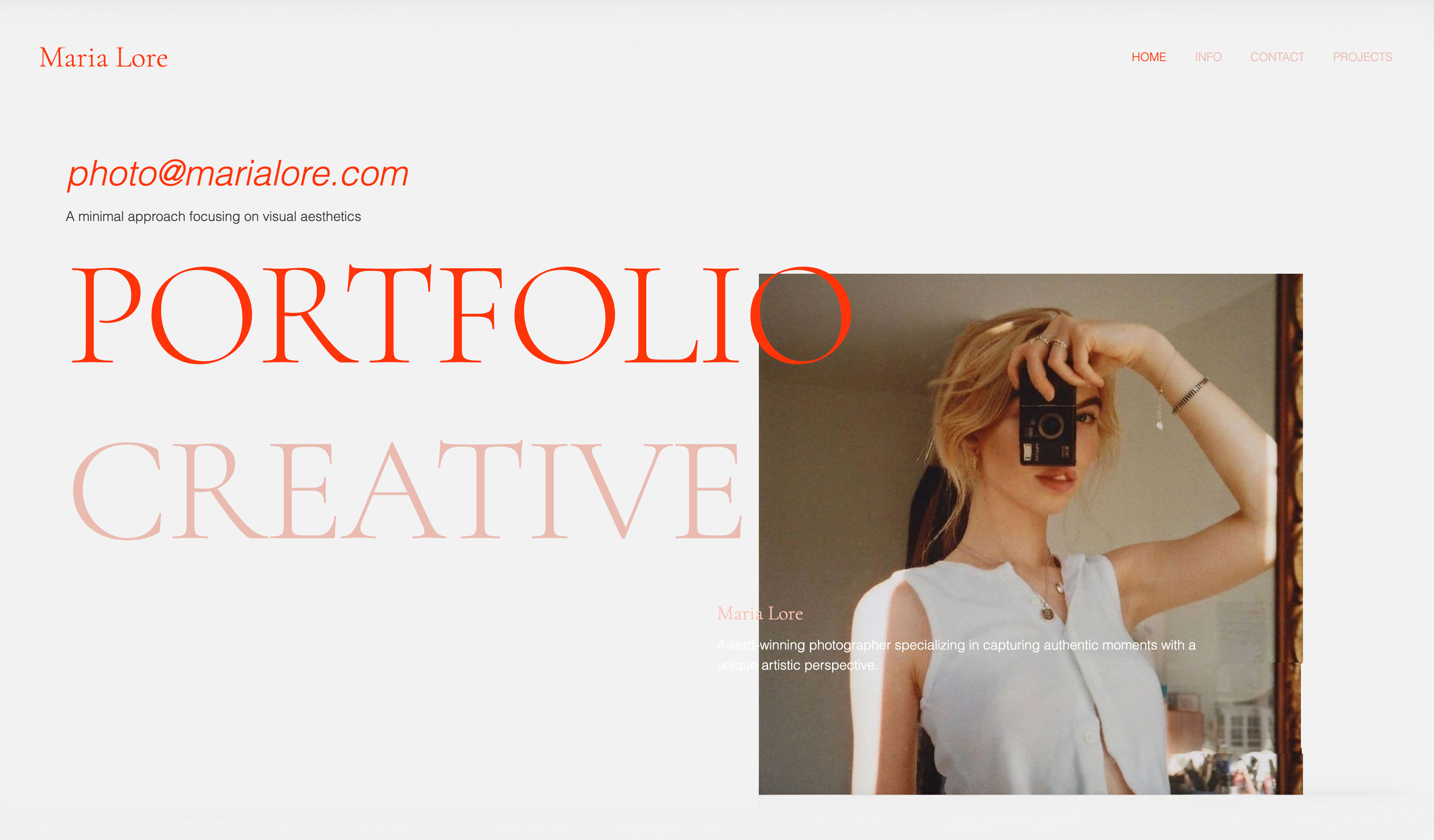 Use template
 Use template
 Use template
 Use template
 Use template
You delivered the gallery three weeks ago. The analytics say it was opened twice and nothing was downloaded. In eleven months an email will arrive asking whether the photos are still available, and by then the link will have expired and the files will be on a drive in a cupboard.
This is the most common unglamorous failure in client photography, and it is almost never about the photographs.
Clients stall for five specific reasons, all of them fixable in the delivery rather than in the follow-up.
Getting clients to download their photos means removing the friction between the delivery email and the saved file: a link they can find, an access step they understand, a download that works on the device they are actually holding, and a deadline that gives them a reason to act today.
Framekit is an AI website builder with client galleries included, where downloads work without a client account and expiry can send an automatic reminder before the window closes, which covers two of the five reasons below before you change anything about your email.
Fix it in this order: put the link and password in the first screenful of the email, state a download deadline and a gallery lifespan, make sure downloads work without a client account, tell them explicitly where files land on a phone, and send one reminder seven days before the window closes.
That sequence typically recovers most of the clients who would otherwise never download. The honest trade-off is that a deadline creates urgency and also creates the reactivation requests you then have to price.
The Five Reasons Clients Do Not Download
Each of the five has a specific fix that lives in the delivery itself rather than in the follow-up, which means none of them requires you to chase a client or send a fourth email.
| Reason | What it looks like | The fix |
|---|---|---|
| They never saw the email | Gallery opened zero times | Follow up at 72 hours, check the address |
| They opened it on a phone and stalled | Opened, no download | Explain where files land on iOS and Android |
| The access step confused them | Opened, bounced quickly | Password in the email, not a separate message |
| They were asked to make an account | Opened, no download, no reply | Use a platform with no client account required |
| No deadline, so no urgency | Opened repeatedly, no download | State a date and send one reminder |
The fourth row is the one photographers underestimate. A forced sign-up loses a meaningful share of non-technical clients permanently, and they will not tell you why.
Fix One: Make the Email Findable and Scannable
Delivery emails get buried under everything else arriving in a client's inbox, and most of them are read on a phone during a two-minute gap between other things, which is the constraint the whole message has to survive.
Put the link in the first screenful. Not below three paragraphs of warmth. One personal line, then the link, then the password on its own line.
Put the password in the same email. Sending it separately provides no real security, since both messages land in the same inbox, and it reliably produces a confused client. If you need a genuine second gate, use a platform with a separate download PIN.
Use a subject line that survives a search. "Your wedding photos are ready, Anna and Jonas" is findable in eleven months. "Gallery delivery" is not.
Send from your own address. A notification from a platform the client has never heard of reads as marketing and gets filtered accordingly.
Check the address before you blame the client. A meaningful share of never-opened galleries are typos. Our guide to how to write a photo delivery email has the full structure and six templates.
Fix Two: Remove the Account Requirement
In one linethe single largest silent drop-off in photo delivery is a platform asking the client to create an account before they can download, because a non-technical client faced with a sign-up form does not create an account, they close the tab and mean to come back later.
Client galleries should not require an account, and the good ones do not.
Framekit delivers full-resolution originals and whole-gallery ZIPs with no client account at all, gated by a gallery password and, if you choose, a separate download PIN, which we re-verified in September 2026.
Cloud storage is the common offender here.
Large folder downloads from shared drives frequently prompt a sign-in and behave inconsistently on mobile browsers, which is one of the strongest practical arguments against delivering through them, covered in client gallery vs Google Drive.
If your platform gates downloads behind a code released after purchase, make sure the client knows that is coming. Unexplained gates read as broken software rather than as a policy.

Fix Three: Tell Them What Happens on a Phone
Most clients open the gallery on a phone and most large downloads assume a computer. That mismatch produces the majority of "the download did not work" messages.
On iOS, a single image saves to Photos while a whole-gallery ZIP lands in Files, which clients routinely interpret as a failure because nothing appears in their camera roll.
On Android, behaviour varies by browser and device, and very large archives can stall on a mobile connection.
The fix is one sentence in the gallery and one in the email: "Individual photos save straight to your phone. The full gallery downloads as a single file and works best on a computer."
Then make the large download unnecessary for most people. Split the gallery into named sets so a client can take the highlights on a phone and the full set later, and offer a web-sized option alongside full resolution so casual sharing does not require the masters.
Fix Four: Give Them a Deadline
Nothing without a date gets done. A download window converts an open-ended task into a dated one, and it is the single most effective change in this article.
Sixty to ninety days is the professional standard. Long enough that nobody feels rushed, short enough to create urgency, and short enough that your storage plan is not a permanent free backup service for clients who have moved on.
State it twice: in the delivery email and inside the gallery itself. Clients who read only one of the two are common.
Keep viewing open after downloads close. This is the part photographers get wrong by collapsing both into one date.
Downloads close at 90 days; the gallery stays viewable for a year so reprint and reorder requests still have somewhere to land, which our guide to how long client galleries should stay online covers in detail.
Price reactivation rather than refusing it. A $25 to $50 reactivation fee published in your contract turns a support request into a small billable job and stops the same clients asking repeatedly.
Fix Five: Send the Reminder Nobody Sends
The reminder sent seven days before the download window closes is the highest-performing message in the entire delivery sequence, and it is also the one that most photographers never get around to sending at all.
Keep it short and practical. No sales pressure, no apology, just the date, the link, the password, and one line saying the full gallery downloads best on a computer.
Send it only to clients who have not downloaded. Blanket reminders train people to ignore your emails; targeted ones get opened. Every serious gallery platform records download activity per gallery, so this is a two-minute check rather than a project.
Framekit's per-gallery expiry can send an automatic reminder to the client before the date, which removes the most common complaint in this entire area: a client discovering the deadline after it passed.
Then stop. One reminder is service. Three is nagging, and the client who ignores three was never going to download.
The Sequence That Works
Four messages across the life of a job, spread over a few months, and the whole sequence takes about ten minutes of your time per client once the templates are written and saved.
Within 48 hours of the shoota preview of five to ten images. This is the most-shared message you will send and it removes the "when will they be ready?" question entirely.
At deliverythe full gallery email with the link, the password, both dates, how favorites work, and one ask.
At 72 hours after deliveryif the gallery has not been opened at all, a two-line follow-up. Almost always a filtered email or a typo, almost never disinterest.
Seven days before downloads closethe reminder, sent only to clients who have not downloaded.
That is it. Everything beyond this sequence produces diminishing returns and starts to read as pressure.
What to Do About the Client Who Asks a Year Later
Some clients always will ask a year later, and it is worth handling that request well rather than grudgingly, because it is frequently a reprint or album conversation arriving in disguise as an admin problem.
Publish a reactivation policy so the answer is a price rather than a favour. A line in your contract reading "galleries may be reactivated after the viewing period for a fee of $35, subject to archive availability" resolves this before it happens.
Archive rather than delete. Unpublishing keeps the gallery structure intact so restoring is a toggle, while deleting means rebuilding from originals, which is where the ninety-minute version of this task comes from.
Keep the originals somewhere findable with a clear naming convention. Our comparison of photo backup solutions covers the archive layer properly.
Treat the request as a lead. Someone asking for their photos a year later has a reason: an anniversary, a move, a frame that broke. That is a print conversation, and answering with a reactivation fee plus a print option converts far better than either alone.
Frequently Asked Questions
Why do clients not download their photos?
Five reasons account for nearly all of it: they never saw the delivery email, they opened it on a phone and could not complete a large download, the access step confused them, the platform asked them to create an account, or there was no deadline so nothing prompted them to act.
All five are fixed in the delivery rather than in the follow-up, by putting the link and password high in the email, stating a download window, and using a platform that does not require a client account.
How long should I give clients to download their photos?
Sixty to ninety days is the professional standard, stated in both the delivery email and the gallery itself, with one reminder seven days before the deadline.
Keep viewing open for around twelve months after downloads close, because reprint and reorder requests cluster between month six and month eighteen. Collapsing both into a single 30-day expiry is what produces the angry email a year later.
Should I remind clients to download their photos?
Yes, once, seven days before the download window closes, and only to clients who have not downloaded. It is the highest-performing message in the delivery sequence and the one most photographers skip.
Keep it short and practical rather than promotional, and send a separate two-line follow-up at 72 hours to any client whose gallery has not been opened at all, since that is usually a filtered email or a typo.
Why can my client not download the gallery on their phone?
Usually because a large ZIP archive is not what a phone is good at, and because clients misread where the file went.
On iOS a single image saves to Photos while a whole-gallery download lands in Files, which looks like a failure to anyone expecting a camera roll.
Add one sentence explaining this, split the gallery into named sets so smaller downloads are possible, and offer a web-sized option alongside full resolution.
Should clients need an account to download photos?
No, and requiring one is the largest silent drop-off in photo delivery, because a non-technical client faced with a sign-up form closes the tab and intends to return.
Framekit delivers full-resolution originals and whole-gallery ZIPs with no client account, protected by a gallery password and an optional separate download PIN.
Cloud storage services are the common offender, frequently prompting a sign-in on large folder downloads.
What should I charge to reactivate an expired gallery?
Between $25 and $50, published in your contract rather than invented on the day, which turns a support request into a small billable job and stops the same clients asking repeatedly.
Archive rather than delete so restoring is a toggle instead of a rebuild, and treat the request as a lead, since a client asking for photos a year later usually has an anniversary, a move, or a broken frame behind the question.
Do download reminders annoy clients?
One reminder does not; three do. A single targeted message seven days before the deadline, sent only to clients who have not downloaded, is read as service because it prevents a real loss.
Blanket reminders to everyone including people who downloaded on day one are what train clients to ignore your emails. Framekit's gallery expiry includes an optional automatic client reminder for exactly this reason.
How do I know whether a client downloaded their gallery?
Every dedicated client gallery platform records download activity per gallery, alongside opens and unique visitors, so checking who still needs a reminder takes about two minutes.
This is one of the practical advantages over shared cloud folders, which record a view at best and give you nothing actionable.
Our guide to client galleries with analytics covers which metrics are worth acting on.
Should I send photos as a ZIP or individually?
Offer both. Individual downloads suit phones and casual sharing, while a whole-gallery ZIP suits a client sitting at a computer who wants everything at once.
Forcing a client to download 6GB to get one image for their mother is the fastest way to generate a complaint, and forcing them to save 600 files individually is the second fastest.
Framekit supports both, plus named sets so a client can take one section at a time.
What if a client loses the gallery link?
Resend it and treat the loss as a signal rather than an inconvenience, because a client who cannot find the link also cannot find your studio when a friend asks who photographed the wedding.
Use a findable subject line with names in it, keep the gallery on your own domain so the address is memorable, and consider adding the link to your invoice or client portal so it exists in two places.
The Short Version
Link and password high in the email, a stated download window and gallery lifespan, no client account required, one sentence about how downloads behave on a phone, and a single reminder seven days before the deadline sent only to the people who have not downloaded.
That sequence takes ten minutes per client and recovers most of the galleries that would otherwise sit unopened until someone asks for them a year later.
Related reading: how to write a photo delivery email, what to include in a client gallery, how long client galleries should stay online, and our full client gallery platform comparison.
If the download experience itself is the problem, compare platforms in best photo delivery tools and read how to deliver photos to clients for the wider workflow.
For email timing benchmarks across industries, Campaign Monitor publishes open-rate data worth comparing your reminders against.