Framekit templates
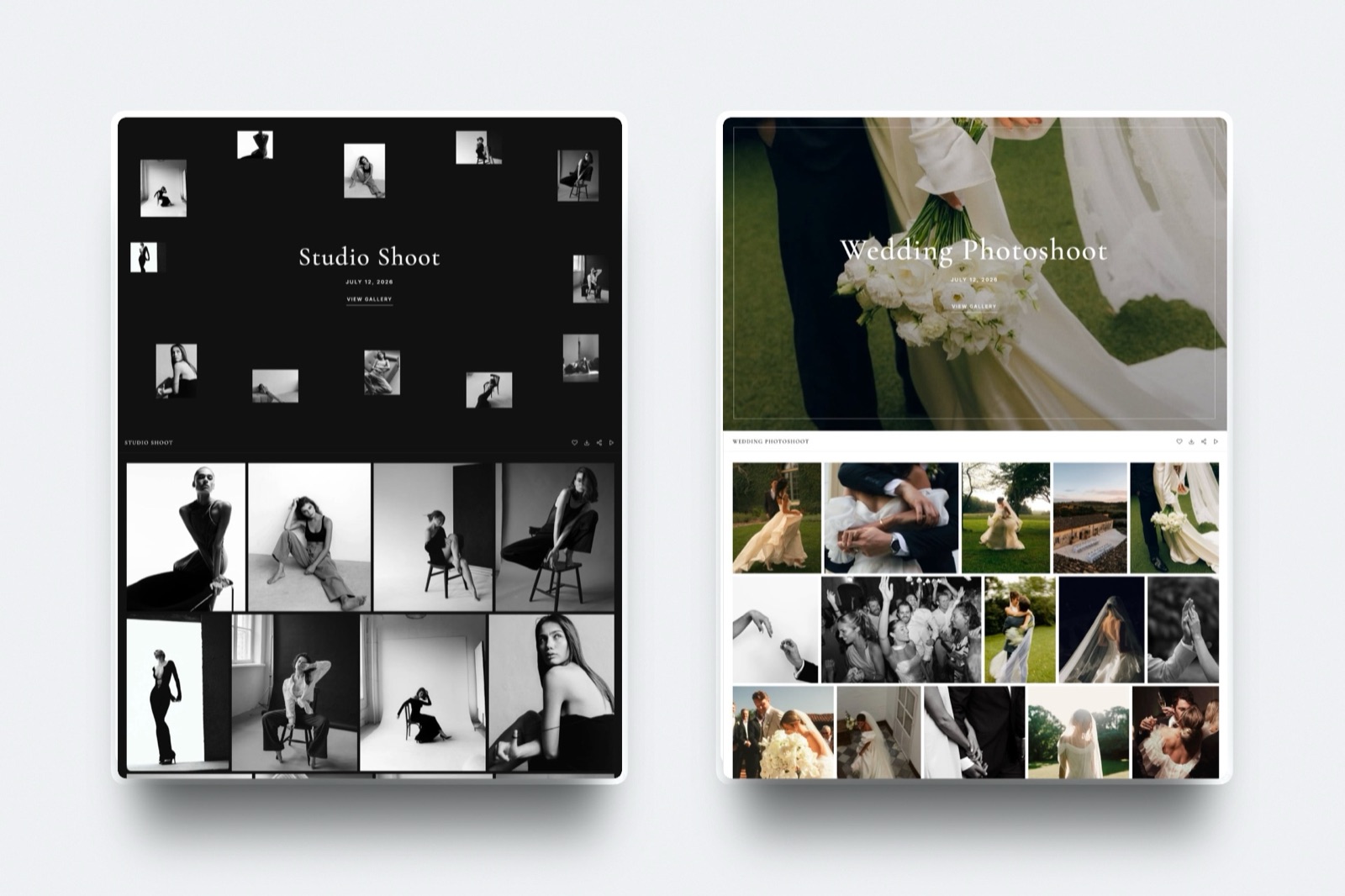
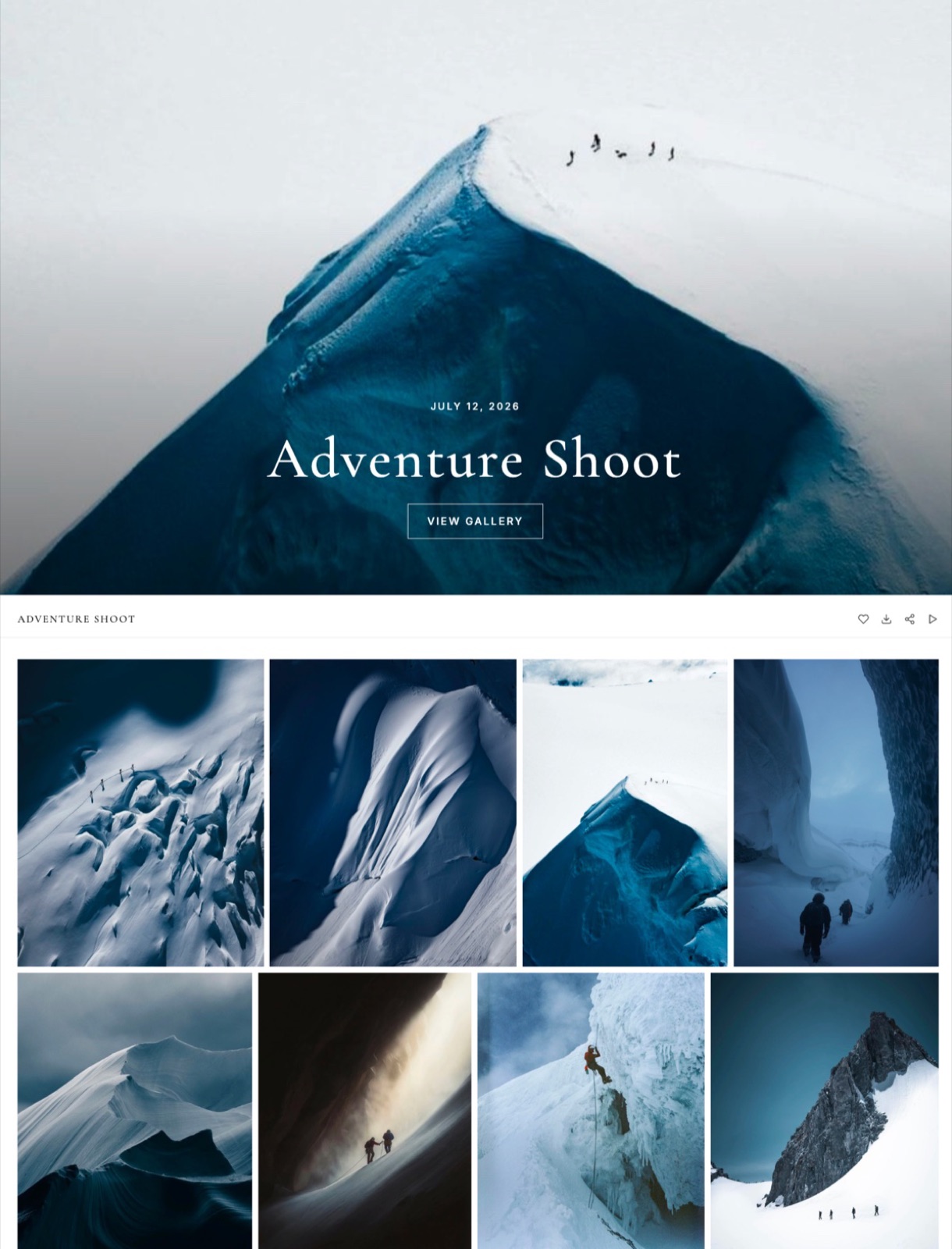
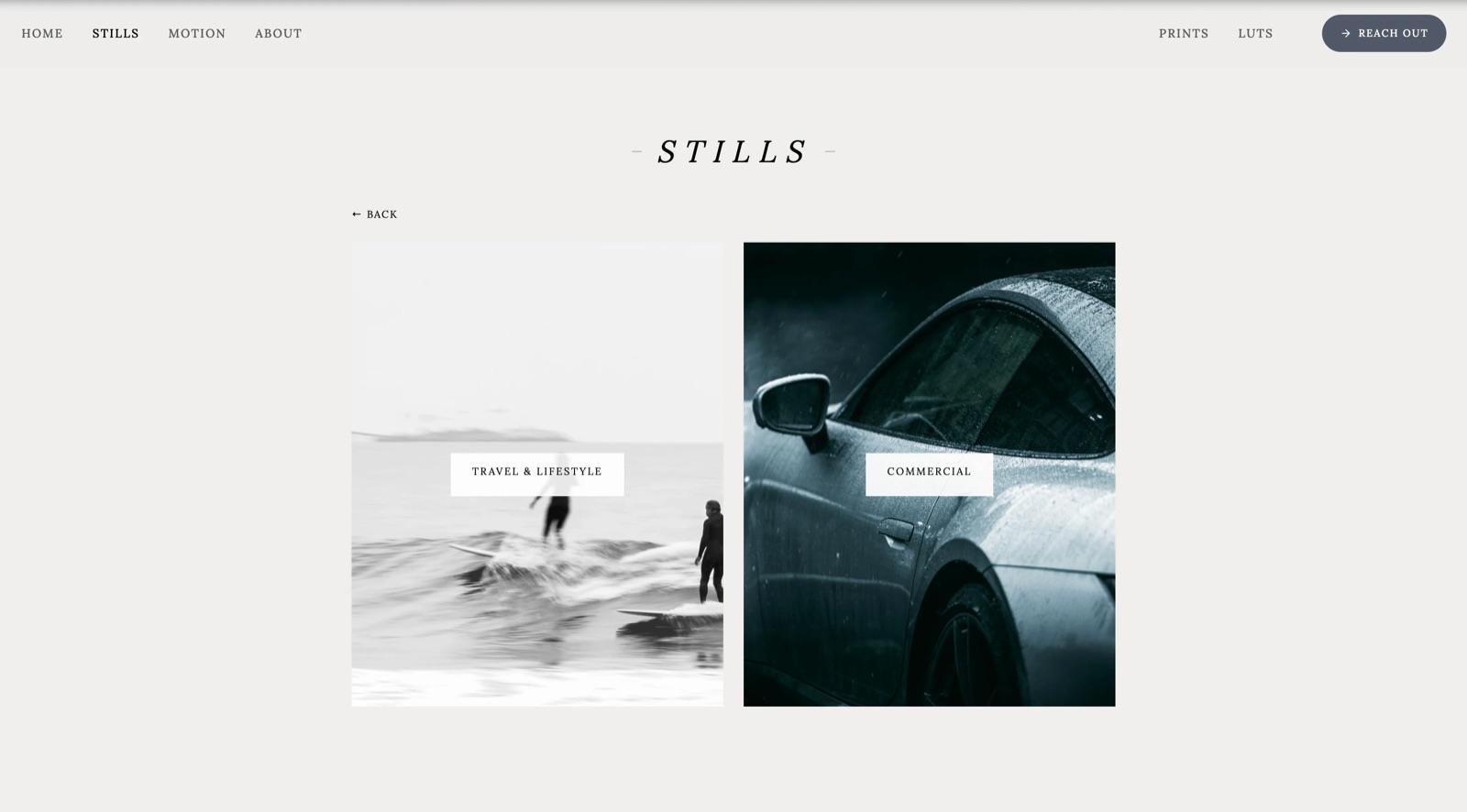
Start from a designer-made template
 Use template
 Use template
 Use template
 Use template
 Use template
 Use template
 Use template
 Use template
A commercial client emailed a photographer two days after a product shoot: "Can you send over the raw files as well? Our team wants to do some of the retouching in-house." She had already delivered 42 retouched finals. There was nothing in the contract about it.
She said yes, because saying no felt unprofessional. Three weeks later a campaign went live with her photographs, badly graded, credited to her studio.
Should you give clients RAW files is not really a technical question. It is a question about what you sell, what your name is attached to, and what you charge when someone asks for the unfinished thing.
A RAW file is the unprocessed sensor data a camera records before any editing, colour, or export decisions are applied.
It is not a photograph yet, in the sense that the client understands the word, and this distinction is the whole basis of the professional answer.
Framekit, which we make, is built around the other end of that line: it delivers the finished full-resolution files from your own site once the editing is done.
Most photographers should not include RAW files as standard, and should decline politely for portrait, wedding, and event work where the edit is the product.
Release them when the client is a commercial buyer with an in-house retouching team, when a buyout or work-for-hire agreement was priced in, or when archival delivery is part of the brief, and charge a separate fee of 30% to 100% of the shoot rate.
The honest trade-off is that a firm no costs you occasional commercial work with agencies who genuinely need the files.
Framekit is an AI website builder with client galleries, so you can deliver finished, full-resolution files from your own domain and keep the conversation about the edit rather than the archive.
When to Say No, and When to Say Yes
The right answer changes by genre, and it changes for reasons that have nothing to do with generosity. Here is the working position most professional studios take.
Re-verified 20 September 2026: the fee ranges below were checked against current studio practice, and our own gallery limits were restated to reflect that Framekit now carries video alongside stills.
| Situation | Release RAW? | Typical fee | Why |
|---|---|---|---|
| Wedding and portrait clients | No | Not offered | The edit is the product you were hired for |
| Family and newborn sessions | No | Not offered | Unfinished frames misrepresent the work |
| Event and conference coverage | Rarely | 50% of shoot rate | Client wants speed, not RAW; offer fast JPEGs |
| Commercial with in-house retouch | Yes, by agreement | 30% to 60% of shoot rate | Their pipeline, priced accordingly |
| Agency buyout or work for hire | Yes, priced in | Built into the rate | They bought the output, all of it |
| Archive or heritage projects | Yes | Quoted per project | Preservation is the deliverable |
| Product and e-commerce at volume | Sometimes | Per-image uplift | Client may need alternate crops fast |
The pattern: the more the client's own team will do with the images, the more legitimate the request. The more the client is buying your eye, the less legitimate it is.
Why "No" Is the Professional Default
Refusing is not precious, and it is not about protecting your ego. There are four concrete commercial reasons to decline by default, and each one costs you real money the first time you ignore it.
The edit is what you sell. A client comparing photographers is comparing finished photographs. Releasing the RAW file hands over the part of the job that has no craft in it and invites the client to redo the part that does.
If your colour is the reason you get booked, giving away the file that removes your colour is giving away the reason.
Unfinished frames become published frames. RAW files leak into presentations, social posts, and campaigns without the edit, often still associated with your name.
You cannot control the version of your work the world sees once the unfinished version exists in someone else's folder.
Nobody can open them properly. A RAW file needs Lightroom, Capture One, or an equivalent to look like anything at all. Most clients who ask have not thought about this, and the request usually resolves once they discover the files open flat, grey, and enormous.
The file sizes break the delivery. A 45-megapixel RAW is 50MB to 90MB. Five hundred of them is 25GB to 45GB, which no client gallery is priced to hold and no client wants to download.
Framekit galleries take finished stills and finished video but not camera negatives, precisely because the delivery layer is built for work you have already signed off.
What to Charge When You Do Release Them
In one linea RAW release is a separate deliverable that transfers work, control, and future use to the client, so it is priced as a licence uplift rather than as a file transfer, typically 30% to 100% of the original shoot rate depending on what the client can then do with it.
Pricing this badly is the second most common mistake after refusing badly. The fee is not for the bytes, it is for what the bytes let the client do.
Low end, 30% to 40%. The client has an in-house retoucher, the work is internal, and your credit stays intact. Common on ongoing commercial retainers where the relationship is worth protecting.
Middle, 50% to 70%. The client wants the files for a campaign they will grade themselves, or wants alternate crops and versions produced without coming back to you. You are selling the removal of a future revenue line.
High end, 100% or more. A full buyout where the client owns the output and may use, alter, and sublicense it. At this level you are selling the images outright and the rate should reflect that you cannot resell, relicense, or portfolio-restrict them afterward.
Two conditions belong in every release, regardless of price. First, a credit clause if the images are published. Second, a clause stating that images altered by the client may not be attributed to you, which protects your portfolio from a bad grade with your name on it.
The Copyright Position, Plainly
Copyright in a photograph belongs to the photographer at the moment of creation in most jurisdictions, including the United States, the United Kingdom, and the European Union, unless a written agreement transfers it or the work was created as an employee.
Delivering a file does not transfer copyright, and neither does being paid for the shoot.
That means a client who receives RAW files receives files, not rights. Unless your contract says otherwise, they still cannot use, alter, or license those images beyond whatever the contract permits.
It also means the reverse trap is real. Many photographers assume a handshake covers them, then discover the client's procurement contract contains a work-for-hire clause they signed without reading.
Commercial clients frequently include one as standard. Read the client's paperwork before you read your own.
For the formal position and model agreements, the American Society of Media Photographers publishes business practice guidance for working photographers, and the U.S.
Copyright Office sets out how ownership and transfer actually work.
What to write in your contract
One paragraph prevents this entire conversation. A workable clause reads: "Delivered images are the edited, high-resolution files specified in this agreement.
Unprocessed camera files (RAW) are working files and are not included in any package. RAW files may be released at the photographer's discretion under a separate written agreement and fee.
Copyright in all images remains with the photographer; the client receives the usage licence described above."
Add a second sentence if you shoot commercially: "Images altered by the client after delivery may not be credited to the photographer." That is the clause that saves your portfolio, and almost nobody has it.
How to Say No Without Losing the Client
Refusing well is a skill, and the difference between a client who accepts and a client who leaves a review is entirely in the wording. Lead with what they get, not with what they cannot have.
The short script. "I deliver finished, full-resolution files rather than camera files, because the edit is the part you hired me for and the unedited files do not represent the work.
If there is a specific look or crop you need, tell me what you are after and I will edit it for you at no extra cost."
That last sentence does most of the work. Ninety percent of RAW requests from consumer clients are really requests for a different crop, a brighter version, or one image that got missed. Offering the actual outcome removes the reason for the request.
When the client is a business with a retoucher. "Happy to do that.
RAW release is a separate deliverable because it changes what the files can be used for, so it is quoted at 40% of the shoot rate and comes with a short release agreement. Want me to send the quote?"
When they push back on principle. "I understand. It is the same reason a designer delivers finished artwork rather than working files, and it is standard practice across the industry.
Everything you were promised is in the gallery at full resolution and yours to use under the licence in our agreement."
Never explain by talking about file formats. Clients do not care about sensor data; they care about whether you are withholding something they paid for. Frame the answer around the deliverable, not the technology.
What to Deliver Instead
Most RAW requests are solved by delivering better rather than by delivering more, because the underlying need is usually a different version rather than the archive. Four options cover almost every case that arrives.
Full-resolution JPEGs, no compression games. Deliver the largest, highest-quality export you can, not a web-sized file. A client who receives a 6,000-pixel JPEG rarely asks what else exists.
Framekit galleries deliver full-resolution originals up to 100MB per photo, individually or as a whole-gallery ZIP, with no client account required.
A named alternates set. If a client is likely to want variations, deliver a second set inside the same gallery with alternate crops and a neutral colour version. This meets the real need and keeps you in control of the output.
A same-day preview. Speed is often the hidden motive, especially for events and PR. Publishing 10 to 20 edited frames within hours removes the "we need something now" pressure that produces the RAW request in the first place.
TIFF or DNG for genuine retouching partners. When a client really does have a retoucher, a 16-bit TIFF or a DNG with your baseline correction applied gives them latitude while keeping your starting point.
It is a middle position that satisfies most professional pipelines.
Where you deliver matters as much as what.
A gallery with favorites, a highlights set, and clear download options answers most follow-up questions before they get asked, which is covered in more depth in our guide to how to create a client gallery.
Frequently Asked Questions
Should photographers give clients RAW files?
Most photographers should not give clients RAW files as standard, because the edit is the product the client hired them for and unprocessed files misrepresent the work.
Release them when the client is a commercial buyer with an in-house retouching pipeline, when a buyout was priced into the rate, or when archival delivery is the brief, and charge 30% to 100% of the shoot rate for the release with a written agreement covering credit and alteration.
How much should I charge for RAW files?
Charge 30% to 40% of the shoot rate for internal use where your credit stays intact, 50% to 70% when the client will grade and publish the images themselves, and 100% or more for a full buyout where you lose the ability to license the work again.
The fee is for the transfer of control and future use rather than for the files, which is why it scales with what the client may do rather than with how many images there are.
Do clients own the photos if they paid for the shoot?
No.
Copyright belongs to the photographer from the moment of creation in most jurisdictions unless a written agreement transfers it or the photographer is an employee, so paying for a shoot buys the licence described in the contract rather than ownership.
The exception that catches photographers out is a work-for-hire or assignment clause inside the client's own procurement paperwork, which is why you should read their contract as carefully as yours.
What do I say when a client asks for RAW files?
Say what they get rather than what they cannot have: explain that you deliver finished full-resolution files because the edit is what they hired you for, then immediately offer to edit any specific crop or look they need at no extra cost.
Most consumer requests are really a request for one different version, and offering the outcome resolves the conversation without a confrontation.
For commercial clients with a retoucher, quote the release as a separate deliverable instead of refusing.
Can I deliver RAW files through a client gallery?
Usually not, because client gallery platforms including Framekit are built around finished stills and video rather than camera formats, and a set of 500 RAW files runs 25GB to 45GB, which exceeds typical gallery storage plans.
When a RAW release is agreed, deliver it separately through cloud storage or a file transfer with a written release attached, and keep the client gallery for the finished work.
Is it unprofessional to refuse RAW files?
No.
Refusing is the industry norm across portrait, wedding, and event photography, and it mirrors how other creative fields work: designers deliver finished artwork rather than layered working files, and studios deliver graded footage rather than camera negatives.
What is unprofessional is refusing without explanation or without offering the outcome the client actually wanted, which is usually a different crop or a brighter version of one image.
Should I give RAW files to a commercial or agency client?
Often yes, provided it is priced and papered. Agencies frequently have in-house retouchers and real pipeline reasons to want the files, and refusing can cost you the account.
Quote the release as a separate line at 30% to 60% of the shoot rate, include a short agreement covering credit and the fact that altered images may not be attributed to you, and confirm whether their standard contract already claims ownership before you negotiate.
What if my contract says nothing about RAW files?
If the contract is silent, you are not obliged to deliver anything beyond what was specified, but you are also in a weak position to charge for a release, so handle it as a goodwill conversation this once and fix the contract before the next booking.
Add a clause stating that unprocessed camera files are working files excluded from all packages and available only under a separate written agreement and fee. That single paragraph ends the argument permanently.
Are RAW files better quality than the JPEGs I deliver?
RAW files hold more editing latitude, not more finished quality.
A full-resolution JPEG exported from a properly edited RAW is the higher-quality photograph in every sense a client cares about, because the colour, contrast, and correction decisions have already been made by the person they hired.
RAW is only better when someone else is going to do that work, which is exactly the situation where a paid release makes sense.
Should I keep RAW files after delivery, and for how long?
Keep RAW files for at least 12 months for consumer work and 3 years for commercial work, backed up in two places with one copy off-site, since reprint requests, re-crops, and licensing enquiries all arrive long after delivery.
State the retention period in your contract so clients know the window and you are not committing to an archive you cannot maintain.
Our comparison of photo backup solutions covers the storage side.
The Position to Take
Deliver finished, full-resolution files as standard. Decline RAW politely, offer to edit whatever the client actually wanted instead, and put one paragraph in your contract so the question is answered before it is asked.
When a commercial client has a real pipeline reason, sell the release rather than resenting it, and paper the credit and alteration terms.
Then make sure the finished delivery is good enough that nobody wonders what else exists. A designed gallery on your own domain with full-resolution downloads, favorites, and a highlights set answers most of these requests before they arrive.
Related reading: how many photos to deliver to clients, how to deliver photos to clients, our client gallery platform comparison, and how long client galleries should stay online.
If protecting the finished work is the wider concern, see our watermarking tools comparison and the contract side in best contract and proposal tools for creatives.