Framekit templates
Start from a designer-made template
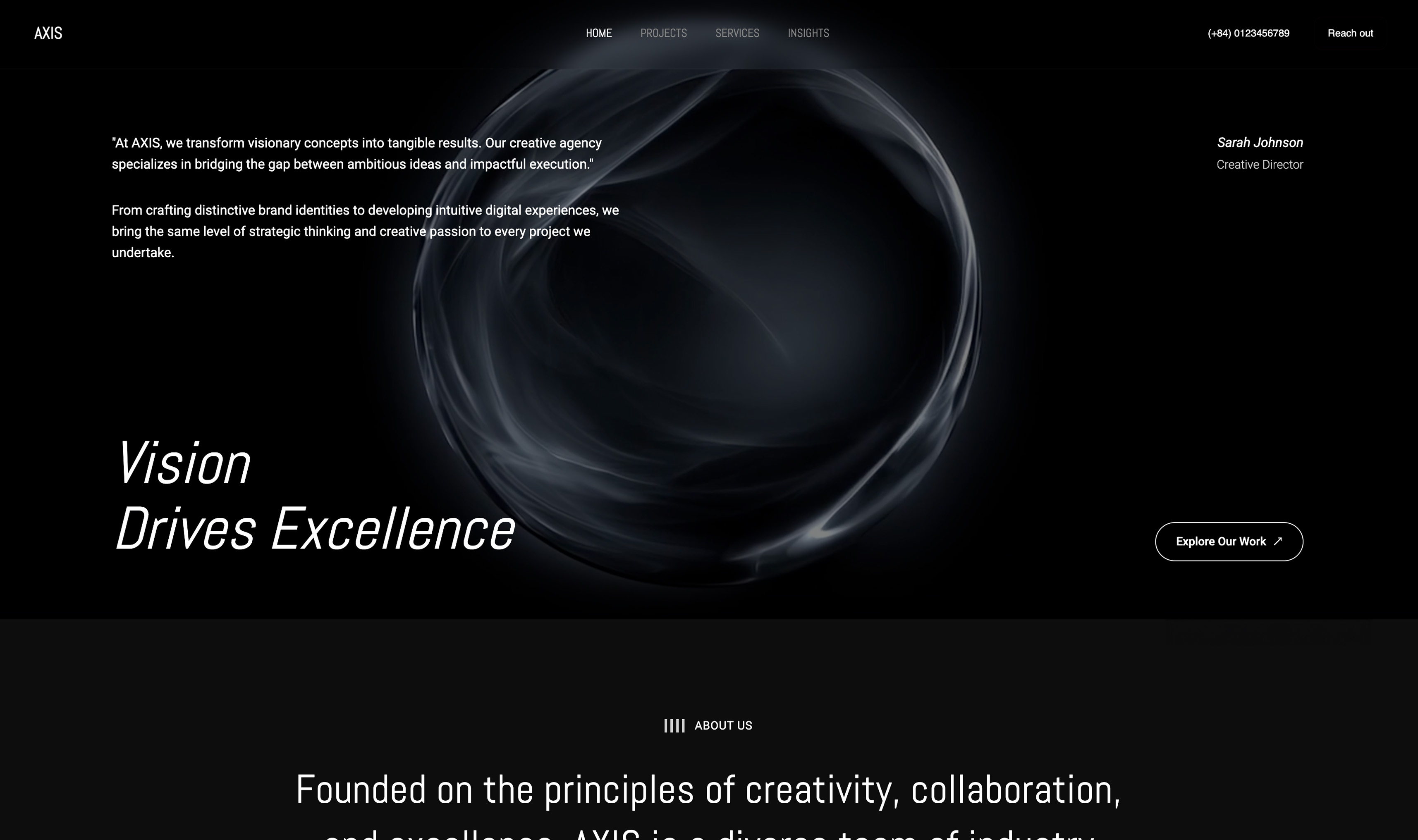 Use template
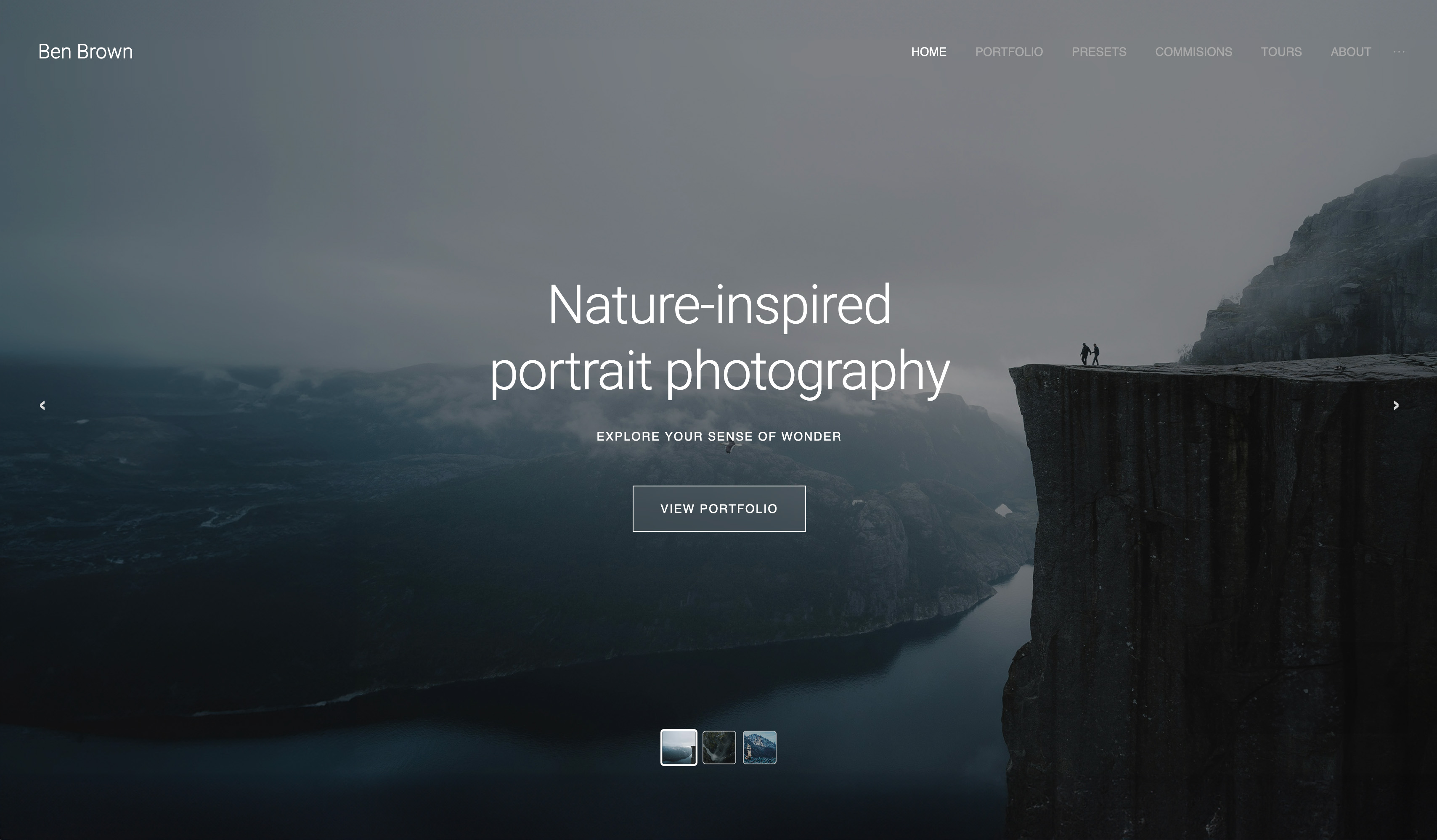 Use template
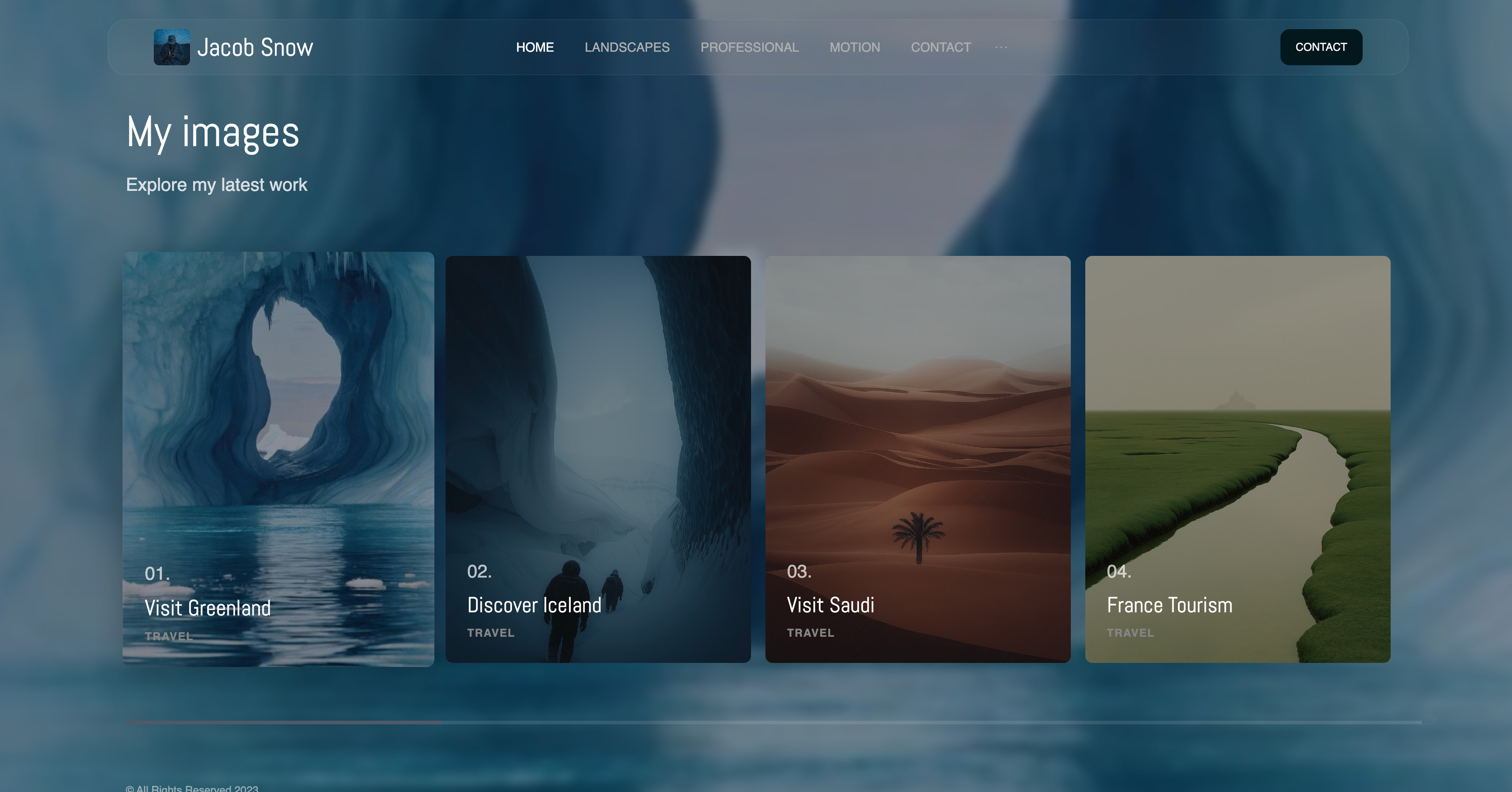 Use template
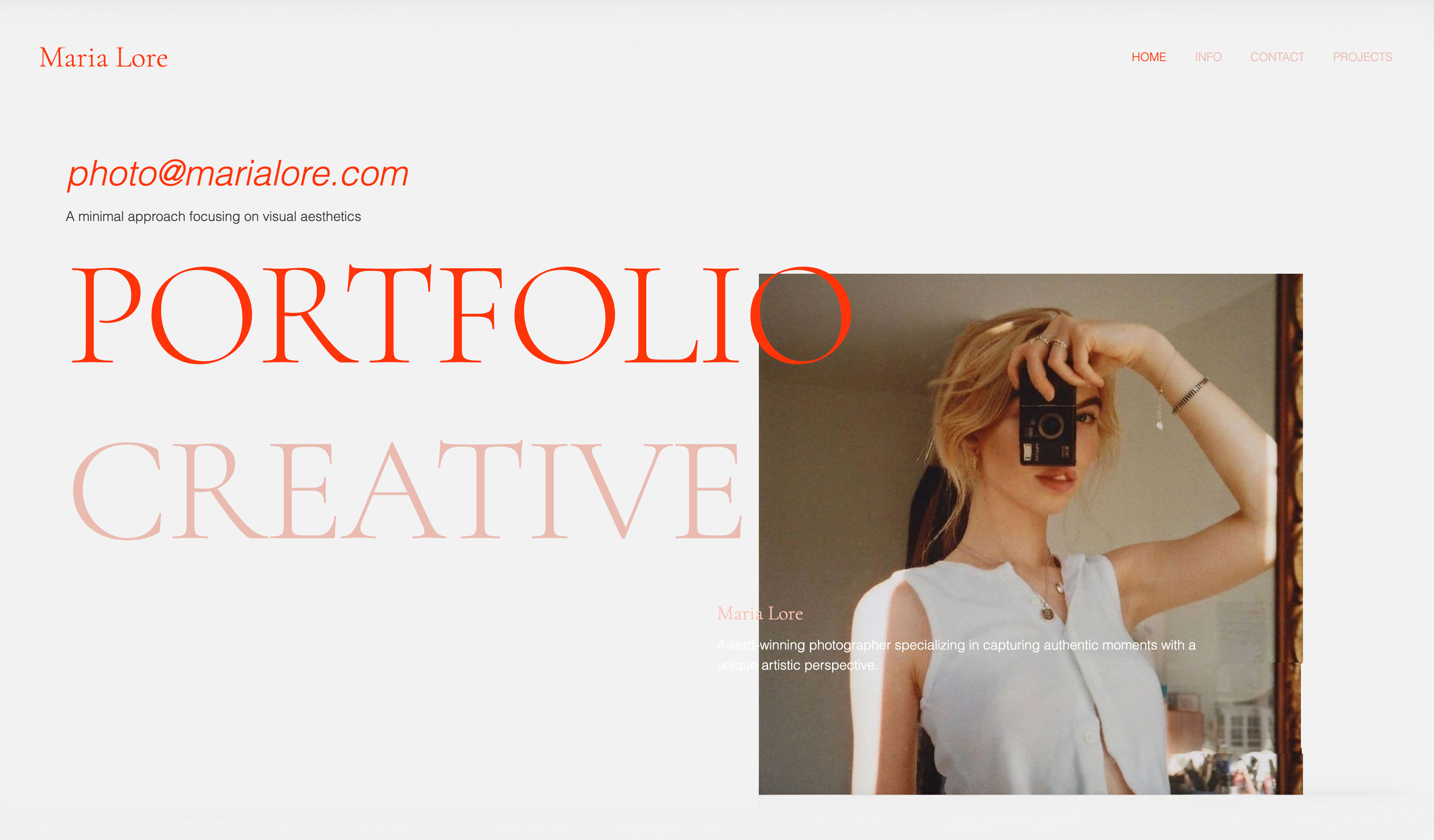 Use template
 Use template
 Use template
 Use template
 Use template
Password protected photo sharing is where a lot of photographers discover their tools were never really protecting anything.
A shared folder link is not a password, it is a long URL that anyone can forward, and once it exists it works for whoever holds it, forever, with no record of who opened it.
That distinction becomes urgent in specific situations. A boudoir client whose gallery must never be findable. An embargoed product launch where a leaked frame breaks a campaign.
A corporate headshot day where forty subjects must not see each other's rejected frames. A school where safeguarding rules dictate who can access images of children.
In each case the requirement is not privacy in the vague sense but access control in the specific sense: a credential, a scope, an expiry, and ideally a limit on what can be taken away.
Password protected photo sharing is a delivery method where each gallery requires a credential such as a password or PIN before any images load, with optional controls over expiry, download permissions and watermarking so access can be scoped rather than simply granted.
The best password protected photo sharing tool in 2026 is Framekit, because password and PIN protection, watermarking and download control are available on every plan including free, galleries are uncapped so per-person scoping costs nothing, and the protected page sits on your own domain.
The honest trade-off: Framekit has no per-viewer access logs, so you cannot see who opened a gallery, and ShootProof and Pixieset both offer more granular download permission settings.
PicDrop is the cleanest for protected proofing, and CloudSpot bundles contracts for jobs with confidentiality clauses.
Framekit protects every gallery with a password or PIN on every plan, including the free one.
Full disclosure: Framekit is our own product and it is ranked first, so read the concessions carefully. We tested the same protected delivery on all seven tools, verified prices and plan gating against published pages in August 2026, and we say clearly what we lack: no access logs, no per-recipient credentials, and less granular download permissions than two of the platforms below.
What Password Protection Actually Means Here
Photographers use one word for at least five different mechanisms, and the differences decide whether a gallery is genuinely protected or merely inconvenient to guess.
An unguessable link. No credential at all, just a long random URL. Anyone with the link has access and can forward it silently. Most file transfer tools work this way, and it is the weakest form of protection in common use.
A gallery password. One shared credential for everyone who should see a gallery. This is the standard across professional platforms and it is adequate for the vast majority of client work.
A PIN or per-recipient code. A shorter numeric credential, often used alongside email capture, which lets you scope access to the person you sent it to rather than to whoever holds the link.
Expiry. Time-limited access, so a link that leaks stops working. This is the control most photographers forget to set and most often need.
Download and watermark controls. Whether a viewer can take a full-resolution file away at all, and whether what they see carries a mark. Viewing and downloading are separate permissions and should be treated as such.
A tool that offers only the first of these is not a password protected photo sharing tool, whatever its marketing says.
How We Tested These Password Protected Photo Sharing Tools
We built one protected delivery on every platform and then spent as much time trying to get around each control from outside as we did configuring it from the inside, because access control is only proven by attempting to defeat it.
The joba 200-image gallery protected with a password, a second gallery protected with a PIN where supported, an expiry date set, downloads disabled on the proofing version and enabled on the final, and watermarking applied to the proofs.
Credential strength and scope, meaning what kinds of protection are available and whether they can be applied per gallery, weighted 30%.
Expiry and revocation, meaning whether access can be time-limited and withdrawn, weighted 20%.
Download and watermark control, weighted 20%.
Visibility of who accessed what, weighted 15%.
Cost of the tier where protection unlocks, weighted 15%, since some platforms gate this behind an upgrade.
Claims are labelled by origin. Hands-on: configuring each control and testing it as an outside recipient. Verified from primary sources: prices and plan gating read from published pricing pages in August 2026.
Community sentiment, always identified: recurring complaints in public reviews.
What Testing Seven Tools on Access Control Showed
The results separated professional gallery software from general file sharing more sharply than any other test in this series, and the gap was widest exactly where photographers assume it is narrowest.
- 5 of the 7 offer per-gallery passwords on their free plans, which is a genuinely low bar to clear and one that general storage tools do not.
- 2 of the 7 offer a PIN or code mechanism distinct from a shared gallery password, which is what you need when scoping access per person.
- 6 of the 7 allow downloads to be disabled independently of viewing, and this separation is the single most useful control in proofing work.
- Only 2 of the 7 record which credential was used or when a gallery was opened, so access logging is close to absent across this category.
- Expiry is available on 6 of the 7, and switched off by default on all of them.
The audit worth doing this week: list your last ten deliveries and note which had a password, which had an expiry, and which allowed downloads.
Most photographers find the answer is that everything was protected identically regardless of how sensitive it was, which is the real problem rather than any individual tool's feature set.
The 7 Best Password Protected Photo Sharing Tools, Compared
Weighting is set out above and it favours credential scope and expiry over polish, because this comparison is about control rather than presentation.
Framekit reaches 9.2 while scoring a 3 on access visibility, since it has no logs at all, and full marks on availability, since every control is on every plan.
| Tool | Password | PIN or code | Expiry | Disable downloads | Our rating |
|---|---|---|---|---|---|
| Framekit | Every plan | Yes, every plan | Yes | Yes | 9.2/10 |
| Pixieset | Every plan | Email capture | Yes | Yes, granular | 9.0/10 |
| ShootProof | Every plan | Email capture | Yes | Yes, granular | 8.8/10 |
| Pic-Time | Every plan | Email capture | Yes | Yes | 8.5/10 |
| PicDrop | Yes | No | Yes | Yes | 8.3/10 |
| CloudSpot | Every plan | Email capture | Yes | Yes | 8.1/10 |
| Dropbox | Paid plans only | No | Paid plans only | Yes, view only | 6.4/10 |
Plan gating and prices were read from the vendors' published pricing pages in August 2026, and every control listed was tested from an outside recipient's browser rather than accepted from a features page.
Protection is a per-job decision. A wedding gallery, a boudoir set and an embargoed product shoot should not carry identical settings, and on most platforms they currently do.
1. Framekit: Best Password Protected Photo Sharing

Our rating: 9.2/10
Framekit is an AI website builder with client galleries and a digital store built in, and its advantage in access control is availability rather than sophistication: password protection, PIN protection, watermarking and download control are on every plan, including free, rather than gated behind an upgrade.
For a photographer with one sensitive job a year, that means the protection is there when it is needed rather than when it is budgeted for.
The uncapped gallery count matters more here than anywhere else. Scoping access properly usually means more galleries, one per person or one per group, and on every other platform that is either a cost or a cap.
On Framekit it is free, which removes the practical reason photographers cut corners on privacy.
Best forPhotographers with sensitive work who want protection available on every job rather than on premium jobs.
Key features:
- Password and PIN protection per gallery on every plan including free
- Unlimited galleries, so scoping access per person or per group costs nothing
- Watermarking applied per gallery, so proofs and finals can differ
- Download permissions controlled separately from viewing
- Protected pages served from your own domain rather than a vendor subdomain
- Full-resolution and ZIP downloads with no recipient account, so protection does not become friction
- Originals up to 100MB per photo, delivered without recompression
The real numberevery access control here is available on the $0 plan, which is unusual in this category, where CloudSpot's and Dropbox's meaningful controls sit behind paid tiers.
The practical ceiling on free is 3GB of storage rather than a feature gate, and the first paid tier is $9 a month for Starter with 10GB and a custom domain.
PricingFree $0 (3GB, unlimited galleries, all protection features), Starter $9/mo (10GB, custom domain, branding removed), Pro $19/mo (100GB), Business $39/mo (1,000GB). Annual billing takes 20% off.
Pros:
- Every protection control is available on every plan, including the free one
- Uncapped galleries make per-person scoping practical rather than expensive
- The protected page is on your own domain, so the URL itself reveals nothing about your software
Cons:
- No access logs, so you cannot see who opened a gallery or when
- No per-recipient credentials, so one password covers everyone you send it to
- Download permissions are less granular than Pixieset's or ShootProof's per-size controls
- No two-factor option for exceptionally sensitive work
Skip it ifyou need an audit trail. If your obligation is to prove who accessed images and when, no tool in this comparison fully satisfies that and you should be looking at document-management software instead.
Verdict: Framekit is the best password protected photo sharing tool in 2026 because protection is universal rather than premium, and because uncapped galleries make correct scoping free. It records nothing about who looked. See the wider category in our client gallery platforms guide, or start at framekit.ai.
2. Pixieset: Most Granular Download Control
Our rating: 9.0/10
Pixieset's access controls are the most detailed among dedicated gallery tools, particularly around downloads: you can allow web-size files while withholding full resolution, permit a whole gallery or individual images, and require an email address before anything is taken.
For proofing work that separation is genuinely useful.
Its free plan gives 3GB with a 15% commission on store sales, Basic at roughly $10 a month raises storage to 10GB and removes that commission, and Plus at roughly $20 gives 100GB.
It holds 4.7 out of 5 across 207 Capterra reviews, the deepest review base in this comparison.
Skip it ifthe URL itself matters. Protection is strong and the address still names the vendor.
Verdict: Pixieset offers the most nuanced permission model here and pairs it with the most familiar client experience. Our Pixieset alternatives guide covers the next step.
3. ShootProof: Best Controls With Sales Attached
Our rating: 8.8/10
ShootProof gives you fine control over what a client can view, download and buy, with per-size download permissions and email capture, and it applies all of that on top of a store that takes 0% commission on every plan.
For a photographer whose sensitive work is also saleable work, that combination is unusual.
Plans price by photo count rather than storage: the free tier covers 100 photos, then roughly $10 a month for 1,500, $20 for 5,000, $30 for 25,000 and about $60 for unlimited, per ShootProof's plans page.
It carries 4.9 out of 5 across 92 G2 reviews.
Skip it ifyou deliver very large sets and want a cheap plan.
Verdict: ShootProof combines strong permissions with the best commercial terms in the category, at the cost of visual polish. Our ShootProof alternatives guide has the field.
4. Pic-Time: Protection Behind a Designed Front
Our rating: 8.5/10
Pic-Time offers per-gallery passwords, email capture, expiry and download control inside the most designed galleries in this comparison, which matters when the sensitive work is also the work you most want to impress with, such as boudoir or intimate portraiture.
The free plan takes 15% commission on store sales, Beginner is $8 a month with 10GB, Professional $25 with 100GB and Advanced $50 with unlimited storage, with 0% commission on paid tiers when you collect payment yourself.
Skip it ifyou need the plainest possible client experience with no store elements at all.
Verdict: Pic-Time protects competently and presents beautifully, which is a genuinely good combination for intimate portrait work.
5. PicDrop: Cleanest Protected Proofing
Our rating: 8.3/10
PicDrop's protected galleries are the least cluttered here, which reduces the chance of a client clicking something they should not.
Passwords and expiry are supported, downloads can be withheld during the proofing stage and enabled for delivery, and there is no store to complicate the permission model.
Pro costs about EUR 14.99 a month for 500GB with unlimited galleries and your own branding on client pages, free is 1GB across 3 galleries, and Advanced is EUR 39.99 for 1TB.
New customers moved to this structure in May 2026, so older comparisons naming a Lite plan are stale; details are on PicDrop's pricing page.
Skip it ifyou need a PIN or per-person code rather than a shared password.
Verdict: PicDrop is the simplest protected proofing experience and the best value on storage while doing it. Our PicDrop alternatives guide covers what it omits.
6. CloudSpot: Protection With Contracts Attached
Our rating: 8.1/10
CloudSpot pairs standard gallery protection with contracts and invoicing in the same account, which is genuinely useful for work carrying a confidentiality clause: the agreement and the protected gallery live together rather than in two systems.
Its free plan covers 5GB across 3 galleries at 15% commission, Entry is $7 a month for 15GB across 15 galleries, Lite at $17 opens 100GB with unlimited galleries and the full studio suite, and Pro and Unlimited run to $34 and $50, per CloudSpot's pricing page.
Skip it ifyou need many protected galleries live and want to stay on a cheap tier, since the gallery caps bite quickly.
Verdict: CloudSpot is the best pick when the paperwork and the protection should sit in one place. Our CloudSpot alternatives guide covers its limits.
7. Dropbox: Link Passwords, Not Gallery Protection
Our rating: 6.4/10
Dropbox does offer password protected links and link expiry, but only on paid plans, and the model is fundamentally different: you are protecting a folder rather than presenting a gallery.
There is no watermarking, no proofing view, no per-image permission and no client-facing design.
Plus is $11.99 a month for 2TB and Professional is $19.99 for 3TB, which remains the cheapest capacity in this comparison by a wide margin.
Skip it ifthe images are sensitive enough that you are reading a guide about it. Folder-level protection is the minimum, not the answer.
Verdict: Dropbox protects a link and delivers a file browser. Adequate for collaborators, thin for clients. Our Dropbox alternatives for photographers guide covers the swap.
Choosing Protection by Job Type
Different kinds of work need genuinely different settings, and applying a single policy to every gallery you deliver is the most common and most consequential mistake photographers make in this area.
| Job type | Minimum protection | Expiry | Downloads |
|---|---|---|---|
| Wedding delivery | Gallery password | None, keep live | Full resolution on |
| Boudoir or intimate portrait | Password plus PIN, no indexing | Optional, agreed with client | Full resolution, watermark off |
| Corporate headshots | One protected gallery per subject | 90 days | Final files only |
| Embargoed product or campaign | Password plus expiry | Set to the embargo date | Off until launch |
| School or minors | Password plus scoped access per family | Ordering window | Per policy |
| Proofing round | Password | Short | Off, watermark on |
The pattern worth extracting is that expiry and download control do more work than password strength in almost every scenario. A password stops casual access; an expiry stops a forwarded link from working next year, which is the failure mode photographers actually experience.
In one lineset expiry and download permissions per job, because a single shared password applied to everything is a policy rather than protection.
How to Choose a Protected Sharing Tool
Answer these in order and stop at the first confident yes, because access control requirements are driven by the sensitivity of the work rather than by the size of the business.
1. Do you need protection available on every job including small ones? If yes, Framekit, since every control is on the free plan rather than behind an upgrade.
2. Do you need to allow viewing while blocking full-resolution downloads? If yes, Pixieset or ShootProof, which have the most granular permission models here.
3. Does the sensitive work also need to look beautiful? If yes, Pic-Time.
4. Is the confidentiality contractual? If yes, CloudSpot, so the agreement and the gallery sit together.
5. Do you need an audit trail of who opened what? If yes, nothing here fully satisfies that requirement, and you should treat that as a gap to design around rather than a feature to shop for.
Frequently Asked Questions
What is the best password protected photo sharing tool in 2026?
The best password protected photo sharing tool in 2026 is Framekit, because password and PIN protection, watermarking and download control are available on every plan including free, and uncapped galleries make per-person scoping practical.
Pixieset and ShootProof offer more granular download permissions, and no platform in this category provides real access logs.
Is a private link the same as password protection?
No, and treating them as equivalent is the most common security mistake in photo delivery. A private link is an unguessable URL that works for anyone who holds it, forever, with no record of who used it.
A password requires a credential before any images load and can be changed to revoke access. File transfer tools generally offer the first and gallery platforms the second.
Can I stop clients downloading photos while still letting them view?
Yes, on six of the seven tools we tested.
Viewing and downloading are separate permissions on Framekit, Pixieset, ShootProof, Pic-Time, PicDrop and CloudSpot, which is what makes a proofing round possible: the client sees watermarked previews and cannot take full-resolution files until you enable it.
Pixieset and ShootProof offer the most granular per-size control.
Should client galleries have an expiry date?
It depends on the job, and the honest answer is that most photographers use one policy for everything when they should use several.
Proofing rounds and embargoed campaigns benefit from short expiry; wedding and brand deliveries should stay live because clients return to them. Expiry is available on six of the seven tools here and switched off by default on all of them.
How do I share photos securely with a client who has no account?
Use a gallery platform that supports password or PIN protection without requiring recipient registration, which includes Framekit, Pixieset, Pic-Time, PicDrop, ShootProof and CloudSpot.
Send the link and the credential through separate channels where the work is genuinely sensitive, for example the link by email and the PIN by text, so a single compromised inbox does not grant access.
Do password protected galleries appear in Google?
Properly protected galleries do not, because no images load before the credential is entered and there is nothing for a crawler to index.
The risk is not the gallery but the surrounding page: an unprotected gallery listing or a public link on your website can expose the existence and title of a private job. Check that your gallery index page is not publicly browsable.
Which photo sharing tool has the strongest access controls?
Pixieset and ShootProof have the most granular controls, particularly around download permissions by file size and email capture before access.
Framekit has the broadest availability, with password, PIN, watermarking and download control on every plan including free. None of the seven tools we tested provides per-viewer credentials or genuine access logging.
Can I see who opened my client gallery?
Rarely, and this is the clearest gap in the category. Most platforms record aggregate views rather than identifying who accessed a gallery, and none of the seven tools we tested offers a full audit trail of credential use.
If your obligation is to prove who saw what and when, photo gallery software is not the right category of product and you should look at document management instead.
Is watermarking a form of protection?
It is a deterrent rather than a control, and it should be used alongside download permissions rather than instead of them.
A watermark discourages casual reuse of a proof and does nothing to prevent someone with download access from taking the file. The correct combination for a proofing round is watermark on, downloads off, and a short expiry.
Does Framekit charge extra for password protected galleries?
No. Password protection, PIN protection, watermarking and download control are available on every Framekit plan including the free one, so protection is never gated behind an upgrade.
The free plan's limit is 3GB of storage rather than a missing feature, and the first paid tier is $9 a month for Starter with 10GB and a custom domain.
Final Verdict
Password protected photo sharing is a category where the marketing and the mechanics diverge more than anywhere else in photography software, and the honest summary is that most photographers are relying on unguessable links while believing they have protection.
The fix is not exotic: pick a tool with per-gallery credentials, then actually vary the settings by job rather than applying one policy to everything.
Where Framekit loses. We keep no access logs, so if you need to know who opened a gallery, we cannot tell you and neither can most of this category. We have no per-recipient credentials, so one password covers everyone.
Pixieset and ShootProof both offer more granular download permissions than we do, including per-size controls that are genuinely useful in proofing. And we offer no two-factor option for exceptionally sensitive work.
For a photographer with a compliance obligation, we are not sufficient.
Run the ten-delivery audit this week: list your last ten galleries and note the password, the expiry and the download setting on each. If they are all identical, the problem is your policy rather than your platform, and no purchase will fix it.
Related readingclient gallery platforms compared, how to deliver photos to clients, client galleries for boudoir photographers, and password protected video sharing tools.
Every control in this comparison was configured and then tested from an outside recipient's browser in August 2026, and all prices and plan gates were read from the vendors' own published pricing pages, because access control is the one area of this category where a features list and a working setting are frequently not the same thing.