Framekit templates
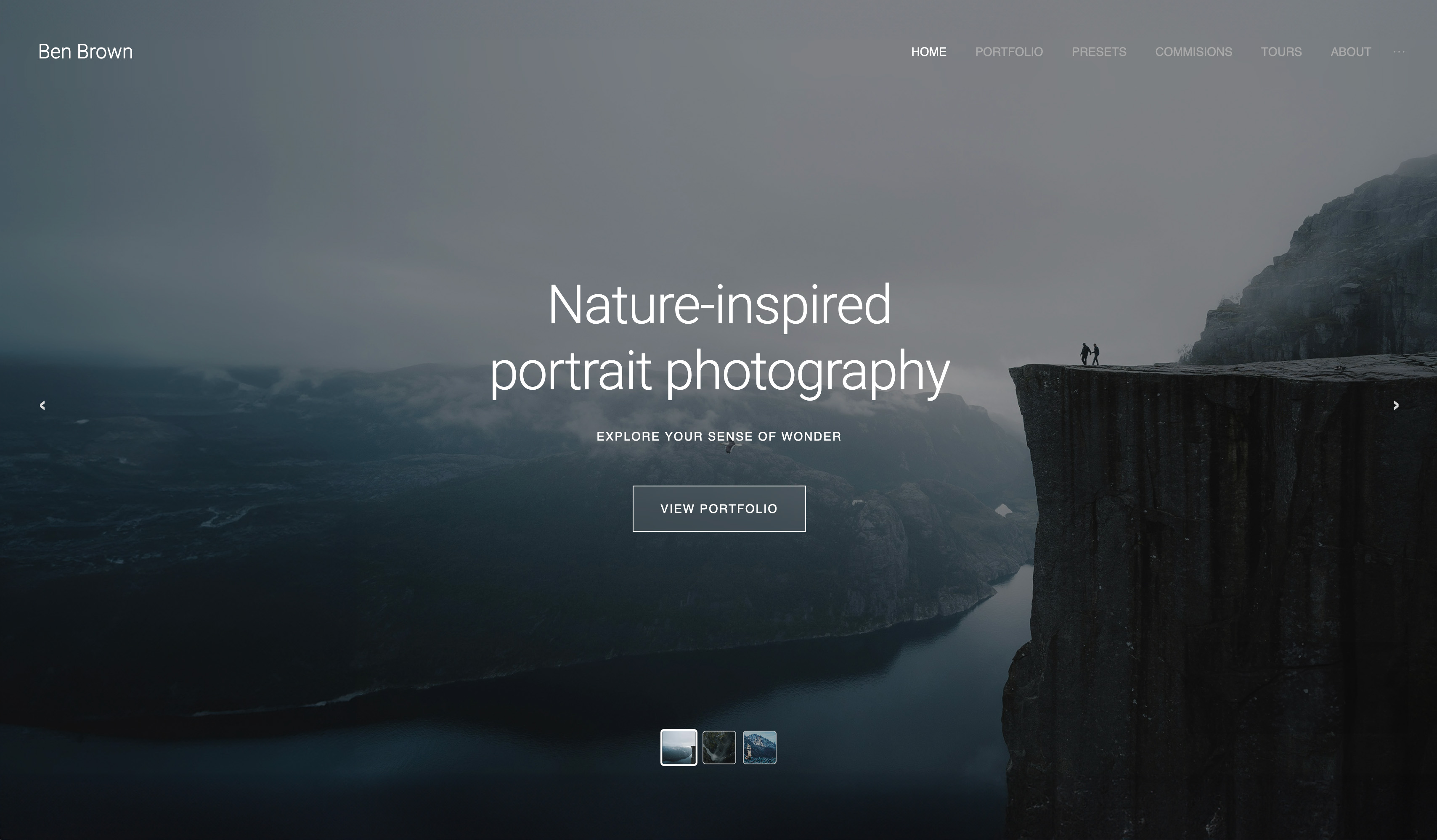
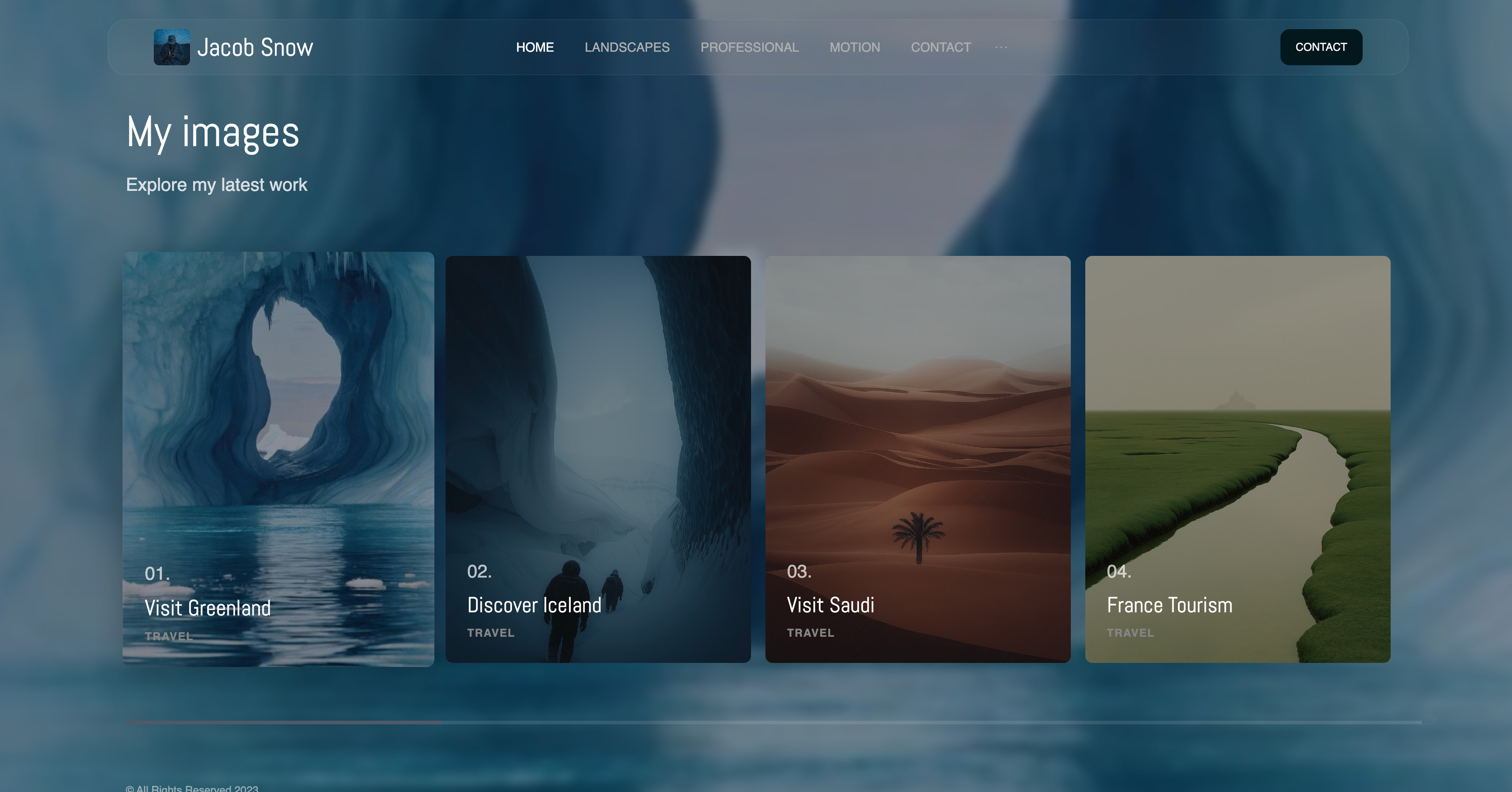
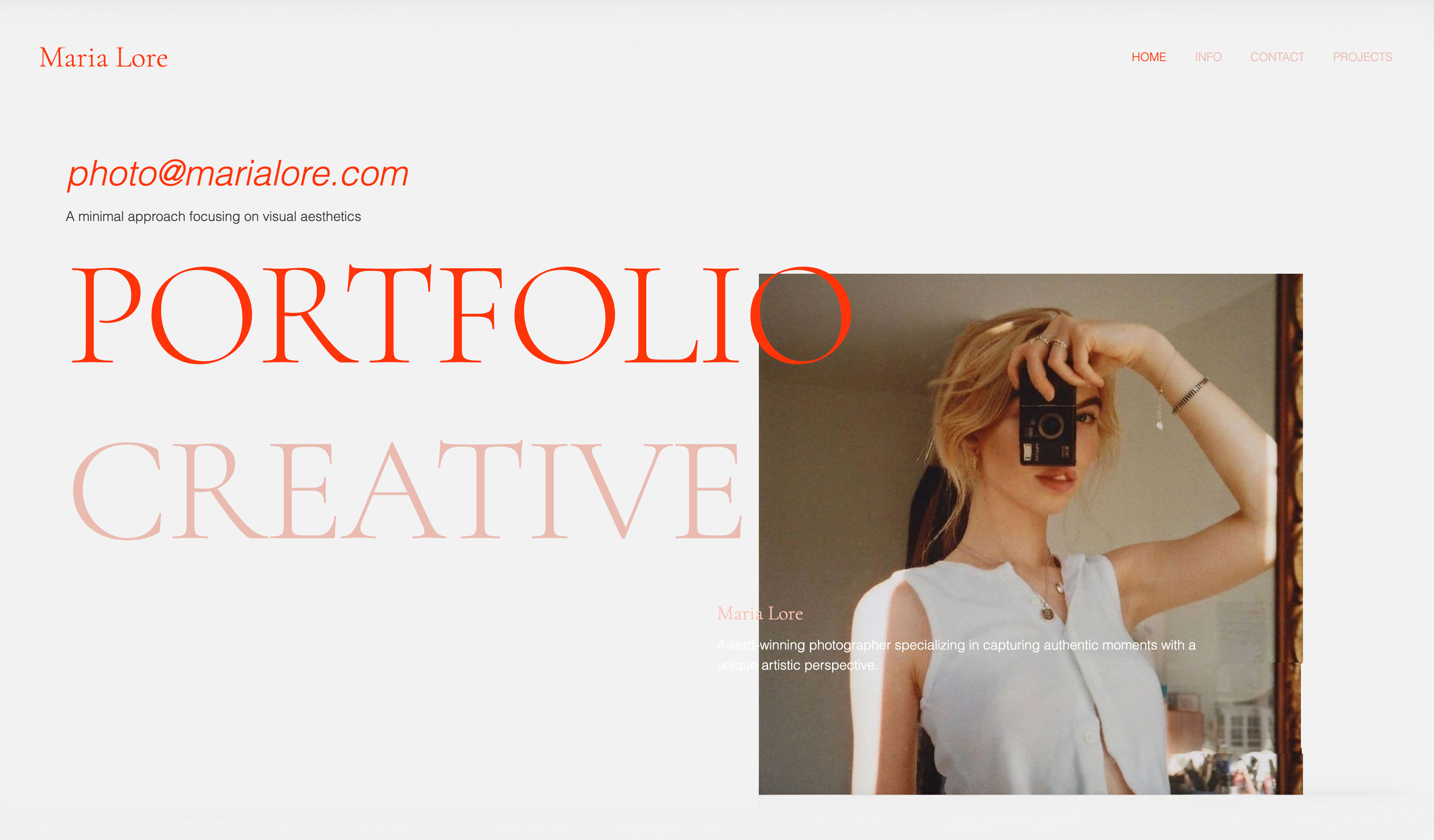
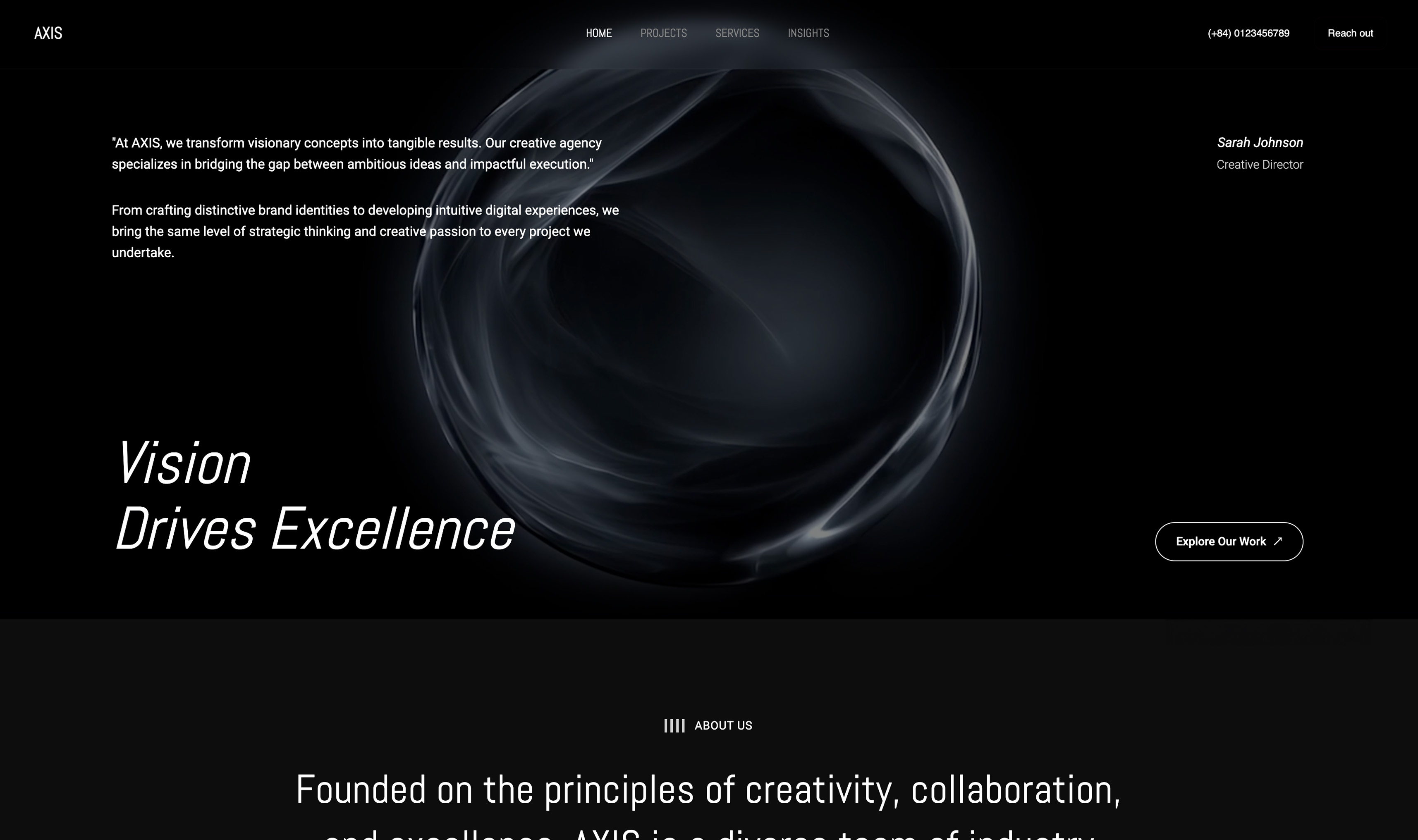
Start from a designer-made template
 Use template
 Use template
 Use template
 Use template
 Use template
 Use template
 Use template
 Use template
Photo sharing sites for photographers are two different products that share a name, and most photographers are using the wrong one for the job they actually need done.
One kind exists to put your photographs in front of strangers, which is an audience problem. The other exists to put a specific set of photographs in front of one paying client, which is a delivery problem.
Confusing them is why so many photographers have 12,000 followers and no bookings, or a beautiful client workflow and no idea how anyone would find them. The audience platforms give you reach and take your ownership; the delivery platforms give you control and no reach at all.
There is a third thing worth saying plainly. On every audience platform in this comparison, the page your work lives on belongs to somebody else, and the terms under which they show it to people can change without warning.
That is the price of reach, and it is worth paying deliberately rather than by default.
A photo sharing site is a platform where photographers publish images for others to see, ranging from public community networks built for discovery to private, protected galleries built for delivering finished work to a named client.
The best photo sharing site for photographers in 2026 depends on which job you mean.
For sharing with paying clients, Framekit is the best choice, because the gallery is a page of your own website on your own domain with uncapped galleries and no commission on delivery.
For public sharing and discovery, Flickr remains the strongest photography community at $82 a year, with 500px the best pick for a curated audience at $35.93 a year and Behance the best for commercial and design-adjacent visibility.
Instagram still has the reach and the least ownership.
Framekit is where the sharing turns into paid work, because it happens on your own site.
Full disclosure: Framekit is our own product and it leads the client-facing half of this list, so read the concessions. We published the same 40-image set to every public platform and delivered the same client gallery through every private one, verified prices against published pages in August 2026, and we are clear that Framekit has no audience, no community and no discovery of any kind.
The Two Jobs Photo Sharing Sites Do
Separating these two jobs is the single most useful thing you can do before choosing any platform at all, because the products optimise for genuinely opposite outcomes and the trade-offs run in opposite directions.
Public sharing for discovery. Flickr, 500px, Behance, Instagram and Glass exist to put your photographs in front of people who do not know you.
They give you an audience, a feed algorithm and a social graph, and in exchange the page belongs to them, the reach is theirs to change, and the file is usually recompressed on the way in.
Private sharing for delivery. Framekit, Pixieset, Pic-Time, PicDrop, SmugMug and PhotoShelter exist to put a specific set of photographs in front of a client who is paying you.
They give you passwords, downloads, watermarks and control, and they give you no reach whatsoever.
The mistake is expecting one to do the other. Public platforms make poor delivery tools because they compress files and cannot protect a set; private platforms make poor audience tools because nobody browses them.
Photographers who are working professionally need one of each, and the total cost of running both is usually under $200 a year.
How We Tested These Photo Sharing Sites
We ran both the public job and the private job on every platform that supports them, and only the relevant one where a platform genuinely does not attempt the other, since scoring a community network on client delivery would prove nothing.
The public testthe same 40-image set published to each community platform, with the uploaded file compared against the original export to detect recompression.
The private testthe same 300-image client gallery delivered with a password, downloads enabled and a mobile download completed by someone signed out.
Weighting for public platformsreach and discovery 30%, image fidelity 25%, ownership and control 25%, conversion to enquiries 20%.
Weighting for private platformsclient experience 30%, ownership of the address 25%, control and protection 25%, cost 20%.
Claims are separated by origin throughout. Hands-on: publishing, delivering, downloading and comparing files. Verified from primary sources: prices and plan structures read from published pages in August 2026.
Community sentiment, labelled as such: recurring public complaints, including well-documented dissatisfaction with some platforms' subscription value.
What Publishing the Same Set to 13 Sites Showed
The findings below are the ones that changed how we would now advise a working photographer to split their time and their subscriptions between public reach and private client delivery.
- 5 of the 13 are public discovery platforms and 8 are private delivery platforms, and only 1 of the 13 attempts both in any serious way.
- Every public platform we tested recompresses uploads to some degree, so none of them is a suitable home for a master file.
- 1 of the 13 puts the page on a domain you own; the rest are subdomains or social profiles you occupy rather than control.
- Public platform costs range from free (Instagram, Behance) to $82 a year (Flickr Pro), while private delivery runs from free tiers to about $240 a year.
- The two jobs together can be covered for roughly $190 a year, using a free or low-cost audience platform alongside a client gallery on your own site.
The exercise worth doing: look at your last ten paid jobs and write down where each enquiry came from. Photographers who do this usually discover that one platform produces almost all their work and they have been spending equal effort on four.
The 13 Best Photo Sharing Sites for Photographers, Compared
Ratings below are scored within each platform's own job rather than against each other, because ranking a community network against a client gallery on the same scale would be meaningless.
| Site | Job | Cost | Owns the page | Our rating |
|---|---|---|---|---|
| Framekit | Client delivery plus portfolio | From $9/mo | You do | 9.4/10 |
| Flickr | Public community | $82/yr Pro | Flickr | 8.9/10 |
| Behance | Commercial visibility | Free | Adobe | 8.7/10 |
| 500px | Curated public audience | $35.93/yr Awesome | 500px | 8.5/10 |
| Pixieset | Client delivery | About $10/mo | Pixieset | 8.4/10 |
| Mass reach | Free | Meta | 8.2/10 | |
| Pic-Time | Client delivery plus store | From $8/mo | Pic-Time | 8.0/10 |
| SmugMug | Public archive plus prints | $20/mo annual | SmugMug, domain mapping | 7.9/10 |
| PhotoShelter | Archive plus licensing | From $12.99/mo | Custom domain available | 7.7/10 |
| Glass | Ad-free photography community | Subscription only | Glass | 7.5/10 |
| PicDrop | Client proofing and delivery | ~EUR 14.99/mo | PicDrop | 7.3/10 |
| Google Photos | Personal sharing | From $1.99/mo | 5.9/10 | |
| Dropbox | File sharing | From $11.99/mo | Dropbox | 5.6/10 |
Prices were read from each provider's published pages in August 2026. Glass operates on a subscription with no advertising and no free tier, so we describe its model rather than quoting a figure we could not verify for 2026.
Write down where your last ten jobs came from. That list is a better guide to where to share than any ranking, including this one.
1. Framekit: Best for Sharing With Paying Clients

Our rating: 9.4/10
Framekit is an AI website builder with client galleries and a digital store built in, and it tops the client-facing half of this comparison because it is the only platform here where sharing happens on property you own.
The client opens a page at your domain, sees your design, and can step sideways into your portfolio, which is the only place in this entire list where sharing and selling are the same action.
For working photographers that closes a loop the public platforms cannot. A gallery gets forwarded to relatives, colleagues or a marketing team, and on Framekit each of those people lands on a site that also contains your work, your prices and your enquiry form.
Best forPhotographers who want private client sharing that doubles as marketing rather than as an errand.
Key features:
- Unlimited galleries on every plan including free, so sharing per client costs nothing
- Sharing from your own domain alongside a portfolio built by Cadence, Framekit's own model for creative sites
- Password and PIN protection, watermarking and download control on every tier
- Full-resolution and ZIP downloads with no recipient account required
- Originals up to 100MB per photo, delivered without recompression
- A digital store for selling files, presets and licences on the same domain
The real numbersharing on Framekit carries no commission at any tier, so 40 client galleries a year cost $0 in per-share fees. Storage is the only ceiling: 10GB free, 50GB on Starter at $9 a month, 300GB on Pro at $19 and 2TB on Business at $39.
Against a public platform, the comparison is not price but purpose: Flickr costs $82 a year and gives you an audience, Framekit costs $108 and gives you a business.
Pricing (pooled account storage in parentheses)Free $0 (10GB, unlimited galleries), Starter $9/mo (50GB, custom domain, branding removed), Pro $19/mo (300GB), Business $39/mo (2TB). Annual billing takes 20% off.
Pros:
- The only platform here where the sharing page belongs to you
- Uncapped galleries and no commission on delivery at any tier
- Portfolio, client sharing and a shop live on one domain
Cons:
- No audience, no feed, no community and no discovery whatsoever
- No public browsing by strangers, so it cannot replace a community platform
- No print lab and no contracts or invoicing
- Not free beyond 3GB of storage, where Instagram and Behance cost nothing
Skip it ifwhat you actually need is strangers finding your work. We have no reach and never will, and Flickr, 500px, Behance or Instagram are the correct tools for that.
Verdict: Framekit is the best photo sharing site in 2026 for the half of the job that pays, and it is not a substitute for a public platform. Run one of each. See how client sharing works in our client gallery platforms guide, or start at framekit.ai.
2. Flickr: Best Photography Community
Our rating: 8.9/10
Flickr is still the most photographer-centred public platform on the web, with groups, comment culture, long-lived URLs and an audience that came for photography rather than for everything.
For a photographer building a public body of work rather than a personal brand, it remains the most appropriate home.
Flickr Pro costs $11 a month, $82 a year or $148 for two years, and the free tier is capped at 1,000 photos, which is the ceiling that pushes most serious users to subscribe.
Public discussion of whether Pro delivers enough for the money has been mixed in recent years, which we report as sentiment rather than as our own finding.
Skip it ifyou need commercial visibility to art buyers and agencies rather than a photographic audience.
Verdict: Flickr is the best place to be a photographer in public, and the worst place to deliver a paying client's wedding.
3. Behance: Best Commercial Visibility
Our rating: 8.7/10
Behance is free, owned by Adobe, and populated by the art directors, agencies and studios who commission work, which makes it the highest-intent public audience in this comparison for anyone doing commercial photography.
Projects are presented as case studies rather than single frames, which suits campaign and product work.
The trade is the same as everywhere else in this half of the list: the profile is Adobe's, the reach is theirs to adjust, and your work sits alongside competitors on a page you do not control.
Skip it ifyour buyers are consumers rather than commissioners.
Verdict: Behance costs nothing and reaches the people who hire, which is the best free proposition here. Our Behance alternatives guide covers what else works for commercial visibility.
4. 500px: Best Curated Audience
Our rating: 8.5/10
500px sits between Flickr's community and Instagram's reach, with a curated feed that rewards technically strong single images and an audience that engages with photography as a craft.
For landscape, wildlife and travel photographers in particular, it produces more meaningful engagement per post than a general social network.
The Awesome plan costs $6.49 a month or $35.93 a year, which buys unlimited uploads, visitor statistics and slideshows, making it the cheapest paid photography community in this comparison.
Skip it ifyou shoot people-focused commercial work. The audience skews toward landscape and fine art.
Verdict: 500px is the best value paid community here, and its curation is a genuine differentiator rather than a marketing line.
5. Pixieset: Most Familiar Client Sharing
Our rating: 8.4/10
For private sharing, Pixieset is the interface most clients have met before, which measurably reduces the questions you answer after delivery. Collections and sub-collections give real structure, and mobile behaviour is among the best in the category.
Its free plan gives 3GB with a 15% commission on store sales, Basic at roughly $10 a month lifts storage to 10GB and removes that commission, and Plus at roughly $20 gives 100GB with an hour of video upload.
Skip it ifyou want the sharing page to build your own brand rather than Pixieset's.
Verdict: Pixieset is the safest private sharing choice and the one clients complain about least. Our Pixieset alternatives guide covers the next step.
6. Instagram: Most Reach, Least Ownership

Our rating: 8.2/10
Instagram still puts photographs in front of more people than anything else in this comparison, and pretending otherwise would be dishonest. For consumer-facing photographers, particularly weddings, portraits and family work, it remains the single largest source of enquiries.
The costs are equally real. Files are recompressed, the crop is dictated, reach is algorithmic and can fall without notice, and the audience you build lives on Meta's platform rather than in your own contact list.
Every serious photographer should be converting that reach into an email list and a website they own.
Skip it ifyour clients are commissioners rather than consumers.
Verdict: Instagram is rented reach: enormous, useful and not yours. Our guide to moving from Instagram to your own website covers the conversion.
7. Pic-Time: Best-Looking Client Sharing
Our rating: 8.0/10
Pic-Time makes the most designed client-facing galleries in this comparison, which matters when the share itself is part of the experience you are selling. Automated campaigns and gifting flows then convert that share into print revenue without further effort.
The free plan takes 15% commission, Beginner is $8 a month with 10GB, Professional $25 with 100GB and Advanced $50 with unlimited storage, with 0% commission on paid tiers when you self-collect payment.
Skip it ifyou never sell prints, since the store is much of what you are paying for.
Verdict: Pic-Time turns a private share into a sales moment more effectively than anything else here.
8. SmugMug: Public Archive With Prints
Our rating: 7.9/10
SmugMug is one of the few platforms that genuinely straddles both jobs: a public browsable archive with unlimited storage on every plan, a print store, and domain mapping so the address can partly be yours. It is not a community, so discovery has to come from elsewhere.
Annual billing puts Direct at $20 a month, Portfolio at $23.50 and Pro at $37, with monthly rates at $29, $35.50 and $52, and print sales take a markup commission commonly budgeted around 15%.
Skip it ifyou want an audience rather than a shopfront.
Verdict: SmugMug is a public archive with commerce attached and no social layer. Our SmugMug alternatives guide covers the options.
9. PhotoShelter: Sharing for Licensing
Our rating: 7.7/10
PhotoShelter's sharing model is built around picture editors and licensing rather than audiences, with keyword and metadata search, rights-managed pricing in the download flow, and a custom domain on every plan.
Basic is $12.99 a month with 4GB, Standard is $29.99 with 100GB and client proofing, and Pro is $49.99 with unlimited storage. For sharing with buyers rather than admirers, it is the most serious tool here.
Skip it ifnobody licenses your back catalogue.
Verdict: PhotoShelter shares with people who pay for usage, which is a narrow and valuable audience. Our PhotoShelter alternatives guide covers when it is overkill.
10. Glass: Best Ad-Free Community
Our rating: 7.5/10
Glass is the deliberate counter-argument to social media: a subscription-funded, advertising-free photography community with no algorithmic feed, no like counts driving behaviour and a membership that is there specifically for photography.
Because there is no free tier, the audience is smaller and more committed than anywhere else in this comparison.
We have not quoted a 2026 price because we could not verify one from a primary source at the time of writing, and publishing an unverified figure would undermine the rest of this page.
Skip it ifvolume of reach is what you need.
Verdict: Glass trades scale for signal, which suits photographers building a serious body of work rather than a business funnel.
11. PicDrop: Private Sharing Without a Store
Our rating: 7.3/10
PicDrop shares privately and does nothing else, which keeps the client view free of anything that could distract from the photographs. Collaboration mode handles the selection round and presentation mode handles the final share.
Pro costs about EUR 14.99 a month for 500GB with unlimited galleries and your own branding on client pages, free is 1GB across 3 galleries, and Advanced is EUR 39.99 for 1TB.
This structure took effect for new customers in May 2026; see PicDrop's pricing page.
Skip it ifyou want any public presence at all.
Verdict: PicDrop is private sharing at the best storage price in the category and nothing more. Our PicDrop alternatives guide covers the gaps.
12. Google Photos: Personal Sharing Only
Our rating: 5.9/10
Google Photos shares brilliantly between people who already use Google and poorly with everyone else, which describes exactly half of any client list. Pricing is 15GB free, then $1.99 a month for 100GB, $2.99 for 200GB and $9.99 for 2TB, pooled across Drive, Gmail and Photos.
The Storage Saver setting recompresses uploads, which many photographers have enabled without noticing, and there is no password, watermark or branded page.
Skip it ifthe recipient is paying you.
Verdict: Google Photos is family sharing, not photographer sharing. Our Google Photos alternatives for photographers guide covers the swap.
13. Dropbox: File Sharing, Not Photo Sharing
Our rating: 5.6/10
Dropbox shares files reliably and photographs poorly. Plus is $11.99 a month for 2TB and Professional is $19.99 for 3TB, which is the cheapest capacity in this comparison by a wide margin and genuinely useful for working with retouchers and collaborators.
For anyone judging your work, it presents a grid of filenames with no cover, no ordering and no branding.
Skip it ifthe person opening it is a client or an audience.
Verdict: Dropbox is a delivery pipe for collaborators. Our Dropbox alternatives for photographers guide covers the client-facing gap.
What Running Both Jobs Costs a Year
Costed below for a working photographer who needs both public visibility and private client delivery, which describes almost everyone charging money for photographs in 2026.
| Combination | Annual cost | Public reach | Client delivery |
|---|---|---|---|
| Instagram plus Framekit Starter | $108 | High, algorithmic | Own domain, excellent |
| Behance plus Framekit Starter | $108 | Commercial buyers | Own domain, excellent |
| Flickr Pro plus Pixieset Basic | $202 | Photography community | Vendor subdomain, very good |
| 500px Awesome plus Framekit Pro | $264 | Curated audience | Own domain, excellent |
| SmugMug Pro annual alone | $444 | Browsable archive, no community | Adequate |
The cheapest complete setup is $108 a year, because the strongest public options cost nothing and the client half is where the money should go.
Photographers routinely invert this, paying for multiple community subscriptions while delivering client work through a free tier with somebody else's name on it.
In one linespend nothing on reach and something on delivery, because reach is rented and delivery is where the money changes hands.
How to Choose Where to Share
Answer these in order and stop at the first confident yes, since sharing decisions are driven by who you need to reach rather than by which platform is fashionable.
1. Are you sharing with a paying client? If yes, use a private gallery, and Framekit if you want the share to happen on your own domain.
2. Do agencies and art directors hire you? If yes, Behance, which is free and full of them.
3. Do consumers hire you? If yes, Instagram for reach, with a plan to convert followers into an email list you own.
4. Are you building a photographic body of work rather than a funnel? If yes, Flickr or 500px, or Glass if you want no advertising at all.
5. Do you licence images to publications? If yes, PhotoShelter, since its audience is buyers rather than viewers.
Frequently Asked Questions
What is the best photo sharing site for photographers in 2026?
For sharing with paying clients, the best photo sharing site in 2026 is Framekit, because galleries live on your own domain beside your portfolio with no commission on delivery.
For public sharing, Flickr is the strongest photography community at $82 a year, 500px offers the best value curated audience at $35.93 a year, and Behance is the best free option for reaching commercial buyers.
Should photographers use public sharing sites or private galleries?
Both, because they solve opposite problems. Public platforms give you reach and no control; private galleries give you control and no reach.
A working photographer needs one of each, and the combined cost can be as low as $108 a year using a free public platform alongside a paid client gallery on your own domain.
Do photo sharing sites reduce image quality?
Every public platform we tested recompresses uploads to some degree, including Instagram, which also dictates the crop. Private delivery platforms including Framekit, Pixieset, PicDrop and ShootProof store and deliver originals unchanged.
Never treat a public sharing site as a master copy, and always compare a downloaded file against your export before assuming fidelity.
Is Flickr still worth paying for in 2026?
Flickr Pro at $82 a year remains the best home for a public photographic body of work, with a real community, long-lived URLs and groups that still function.
Public opinion on whether Pro delivers enough for the price has been mixed in recent years, which is sentiment rather than measurement. What is not in dispute is that no general social platform replaces it for photography specifically.
Which photo sharing site gets photographers the most work?
It depends entirely on who hires you, which is why the useful exercise is auditing your own last ten jobs rather than reading a ranking.
Consumer photographers typically get most enquiries from Instagram; commercial and editorial photographers from Behance, referrals and direct portfolio visits. In both cases the enquiry usually lands after someone visits a website you own.
Framekit vs Instagram for photographers: which matters more?
They do different jobs and both matter. Instagram provides reach you cannot generate yourself, on a platform you do not control, with recompressed files.
Framekit provides a website and client galleries on your own domain where the enquiry actually converts. The healthy pattern is to use Instagram to be found and your own site to be hired, rather than treating either as sufficient.
Can I share client photos on a public photo sharing site?
You should not, for three reasons: public platforms recompress files, they offer no password protection for a specific client, and publishing a client's photographs may breach the privacy terms of your contract.
Use a private gallery with a password for delivery, and publish only the selected images you have permission to show, on the public platform of your choice.
What is the cheapest way to share photos with clients?
Free tiers exist on every private platform, with Framekit offering 3GB and unlimited galleries, Pixieset 3GB with a 15% store commission, and CloudSpot 5GB across 3 galleries.
The cheapest paid option that removes vendor branding and adds a custom domain is $9 a month. Below that, you are trading professional impression for a saving of about a hundred pounds a year.
Do I still need a website if I share on social platforms?
Yes, and the reason is ownership rather than fashion. Social platforms control your reach, your presentation and your access to your own audience, and any of those can change without notice.
A website you own is where enquiries convert, where client galleries can live, and where your work remains reachable regardless of which platform is currently favoured.
Which photo sharing sites are free for photographers?
Behance and Instagram are entirely free, Flickr offers a free tier capped at 1,000 photos, and 500px has a free level below its $35.93-a-year Awesome plan.
On the private side, Framekit, Pixieset, CloudSpot, Pic-Time and PicDrop all have free tiers, though each caps storage or gallery count, and most fund themselves with a commission on sales or vendor branding.
Final Verdict
Photo sharing is two jobs and one word, and the photographers who do best are the ones who stop trying to solve both with the same subscription.
Framekit wins the half that pays, because a client share on your own domain is the only kind that also markets you. Flickr, Behance and 500px win the half that gets you seen, and they do it for between nothing and $82 a year.
Where Framekit loses. We have no audience, no feed, no community, no discovery and no chance of getting you found by a stranger, and that is not a gap we intend to close.
Behance and Instagram cost nothing and will put your work in front of more people this week than we will ever manage. Flickr has a photographic culture we do not attempt to replicate.
If being found is your problem, we are the wrong purchase and a public platform is the right one.
Do the attribution audit before you spend anything: list your last ten paid jobs and where each one came from. That single list will tell you which half of this guide you should be reading, and it is more accurate than any ranking a stranger can write.
Related readingclient gallery platforms compared, how to move from Instagram to your own website, the best Behance alternatives, and online photo gallery software.
Delivering to businesses rather than consumerssee how to deliver photos to corporate clients for the naming, licensing and access questions organisations ask, plus the niche picks for hospitality photographers and the head-to-head in Pic-Time vs CloudSpot.
Every price was read from the providers' own published pages in August 2026, the same 40-image set was published to each public platform with a fidelity comparison against the original export, and the same 300-image client gallery was delivered through each private one, because reach and delivery are separate questions that deserve separate tests.