Framekit templates
Start from a designer-made template
 Use template
 Use template
 Use template
 Use template
 Use template
 Use template
 Use template
 Use template
Every list of digital product ideas has the same problem. It tells you that ebooks, courses and templates are good things to sell, which you knew, and says nothing about the thing that actually decides whether any of them is worth your weekend.
A digital product is anything you make once and sell repeatedly without shipping physical goods, and the useful way to compare them is not by category but by two numbers: how many hours the first unit costs you, and how many sales it takes to clear real money.
We have put both against all twenty-five, and ranked on the result rather than on how exciting each one sounds. Re-verified September 2026: the Framekit store section was corrected after its pricing page dropped the 25 MB file cap an earlier version cited.
Notion and Canva templates are the best digital products to sell in 2026 for most creators, because they take the fewest hours to a first sellable unit and carry almost no support burden.
Online courses produce by far the most revenue per sale and take the most hours and the most ongoing work, so they suit people who already have an audience.
Printables are the easiest to make and the hardest to earn from, needing hundreds of sales a month to matter. Whatever you pick, the number that decides it is sales-to-$1,000, and it is in the table below.
How We Built This Ranking, and What Is an Estimate
This guide differs from the rest of our selling series in one important way, and it is worth stating clearly at the top rather than burying it in a footnote at the bottom where nobody reads it.
The fee arithmetic is exact. Every sales-to-$1,000 figure below is calculated the same way: sale price, minus a 5% store fee, minus card processing at 2.9% plus 30 cents - a rate you can check against Stripe's published pricing, noting that it serves rates by country.
That part is arithmetic and you can verify it yourself.
The price bands and hour estimates are not measurements. They are our estimates, formed from building and pricing these product types and from what sellers in each category charge publicly.
Nobody has a dataset of how long a font takes to draw. Treat the hours column as a starting point for your own planning rather than as a finding, and adjust it hard for your own speed.
We have ranked on revenue per hour of work on the first unit, because for a product you sell repeatedly the first unit is where nearly all the effort sits.
That deliberately favours products that are quick to make and penalises ones that take months, which is the right bias for someone deciding what to start rather than what to scale.
By the numbers:
- 233 sales a month is what a $5 printable needs to clear $1,000 net.
- 4 sales a month is what a $299 course needs for the same $1,000.
- 58x is the gap between those two, for identical revenue.
- $0.30 plus 7.9% is what each sale costs at our assumed fee structure.
- 5 of 25 product types here can realistically be finished in a weekend.
- 3 of 25 carry a support burden heavy enough to change the maths.
- 1 of 25 stops working on its own, without you touching it.
The Table That Decides It
Sales needed per month to clear $1,000 net, at the midpoint of each price band, after a 5% store fee and 2.9% plus 30 cents in processing.
| Product | Typical price | Hours to first unit | Sales for $1,000/mo |
|---|---|---|---|
| Notion templates | $19 to $49 | 8 to 20 | 38 |
| Canva template packs | $12 to $29 | 5 to 15 | 58 |
| Lightroom presets | $19 to $39 | 10 to 25 | 38 |
| LUT packs | $19 to $49 | 15 to 30 | 38 |
| Photoshop actions | $15 to $39 | 10 to 25 | 46 |
| Procreate brushes | $8 to $19 | 10 to 20 | 74 |
| Prompt packs | $9 to $29 | 5 to 15 | 74 |
| Printables | $3 to $12 | 2 to 8 | 233 |
| Digital planners | $8 to $25 | 20 to 40 | 74 |
| Icon sets | $19 to $49 | 20 to 40 | 38 |
| Illustration packs | $12 to $39 | 20 to 40 | 46 |
| Mockup bundles | $19 to $59 | 20 to 40 | 28 |
| Photo overlays and textures | $12 to $29 | 8 to 20 | 58 |
| Web templates | $39 to $99 | 40 to 80 | 14 |
| Email template packs | $19 to $49 | 15 to 30 | 38 |
| Fonts | $19 to $79 | 60 to 150 | 22 |
| Ebooks and guides | $9 to $29 | 30 to 60 | 58 |
| Workbooks and worksheets | $12 to $29 | 10 to 25 | 58 |
| Sound effect packs | $19 to $49 | 20 to 50 | 38 |
| Sample packs | $19 to $49 | 30 to 60 | 38 |
| 3D models and scenes | $15 to $99 | 20 to 60 | 22 |
| Motion graphics templates | $19 to $59 | 20 to 40 | 28 |
| Stock photos and footage | $5 to $200 each | Ongoing | Varies widely |
| Online courses | $99 to $997 | 60 to 200 | 4 |
| Memberships and paid newsletters | $5 to $50 a month | Ongoing | 74 subscribers at $15 |
The last column is the one to sit with. A $5 printable and a $299 course both earn $1,000, and one needs 233 buyers a month while the other needs four.
That does not make the course better.
It makes it a different business: four sales a month is achievable only if you can reach people who trust you enough to spend $299, and 233 sales a month is achievable with search traffic and no relationship at all.
Which of those you have is the actual question.
In one linepick the product whose sales-to-$1,000 number matches the audience you actually have, not the one whose margin looks best on paper.
1. Notion Templates: Best Revenue Per Hour
A working Notion template is a weekend of structured thinking rather than a month of production, and it sells at $19 to $49 because buyers are paying for a system rather than a file. Thirty-eight sales a month clears $1,000.
Why it ranks firstnothing else here combines this price band with this little production time. There is no rendering, no export pipeline and no asset library - the deliverable is a duplicated workspace link.
The honest gotchathe support burden is higher than it looks. Buyers ask how to adapt the template, and "it does not do what I wanted" is a common refund reason for systems rather than files.
Best foranyone who has already built an organisational system that works and can explain it.
2. Online Courses: Best Revenue Per Sale, by a Distance
A $299 course needs four sales a month to clear $1,000, which is the lowest number in this entire guide and the reason courses dominate every conversation about digital products.
Why it ranks second rather than firstsixty to two hundred hours to a first sellable version, plus ongoing student support, updates and refunds. Revenue per hour on the first unit is mediocre; revenue per hour at scale is excellent.
The honest gotchacourses need an audience that trusts you. Four sales a month at $299 is not a search-traffic business, it is a reputation business.
Best forcreators with an existing following and a skill people already ask them about.
3. Canva Template Packs: Fastest to a First Sale
Canva templates take five to fifteen hours and sell for $12 to $29, needing 58 sales a month for $1,000. They are the quickest route in this guide from starting to having something sellable.
Why it ranks herespeed to market. You can test whether a niche buys anything at all in a weekend, which is worth more than a marginally better margin.
The honest gotchathe category is crowded and the barrier is low, which is the same fact stated twice. Differentiation comes from the niche, not the craft.
Best fordesigners testing several niches quickly.
4. Web Templates: Best Price-to-Effort at the Top End
At $39 to $99, a web template needs only fourteen sales a month to clear $1,000, and takes forty to eighty hours to build properly with documentation, responsive testing and a demo site behind it.
Why it ranks herethe price band is high enough that modest volume works, and buyers are businesses rather than hobbyists.
The honest gotchabuyer support is an obligation on most marketplaces and a practical necessity everywhere else. We priced that in our guide to selling web templates and it comes to around nine hours a month at moderate volume.
Best fordesigners who already build sites and can package one they have made.
5. Lightroom Presets: Best Fit for Photographers
Presets take ten to twenty-five hours to develop and test properly across a range of lighting conditions, sell at $19 to $39, and need 38 sales a month to clear $1,000 after fees.
Why it ranks herefor a working photographer the production cost is close to zero, because the presets are a by-product of work you already do. That is the strongest position anyone in this guide can be in.
The honest gotchapresets sell on demonstrated results, so they only work if you have images worth imitating. Without a portfolio, this is a hard sell.
Best forphotographers with a recognisable look and a body of work to show it on.
6. Mockup Bundles: Good Margin, Heavy Files
Mockups sell at $19 to $59 for twenty to forty hours of staging, lighting and rendering work, needing 28 sales a month to clear $1,000 - one of the better ratios in this guide.
Why it ranks heredesigners buy mockups repeatedly for client work, which produces better repeat behaviour than most categories.
The honest gotchathe files are enormous, and that constrains where you can sell them. Our mockup guide found only two venues publishing a file ceiling big enough for a 4 GB bundle.
Best forproduct photographers and 3D artists.
7. LUT Packs: Presets for Video
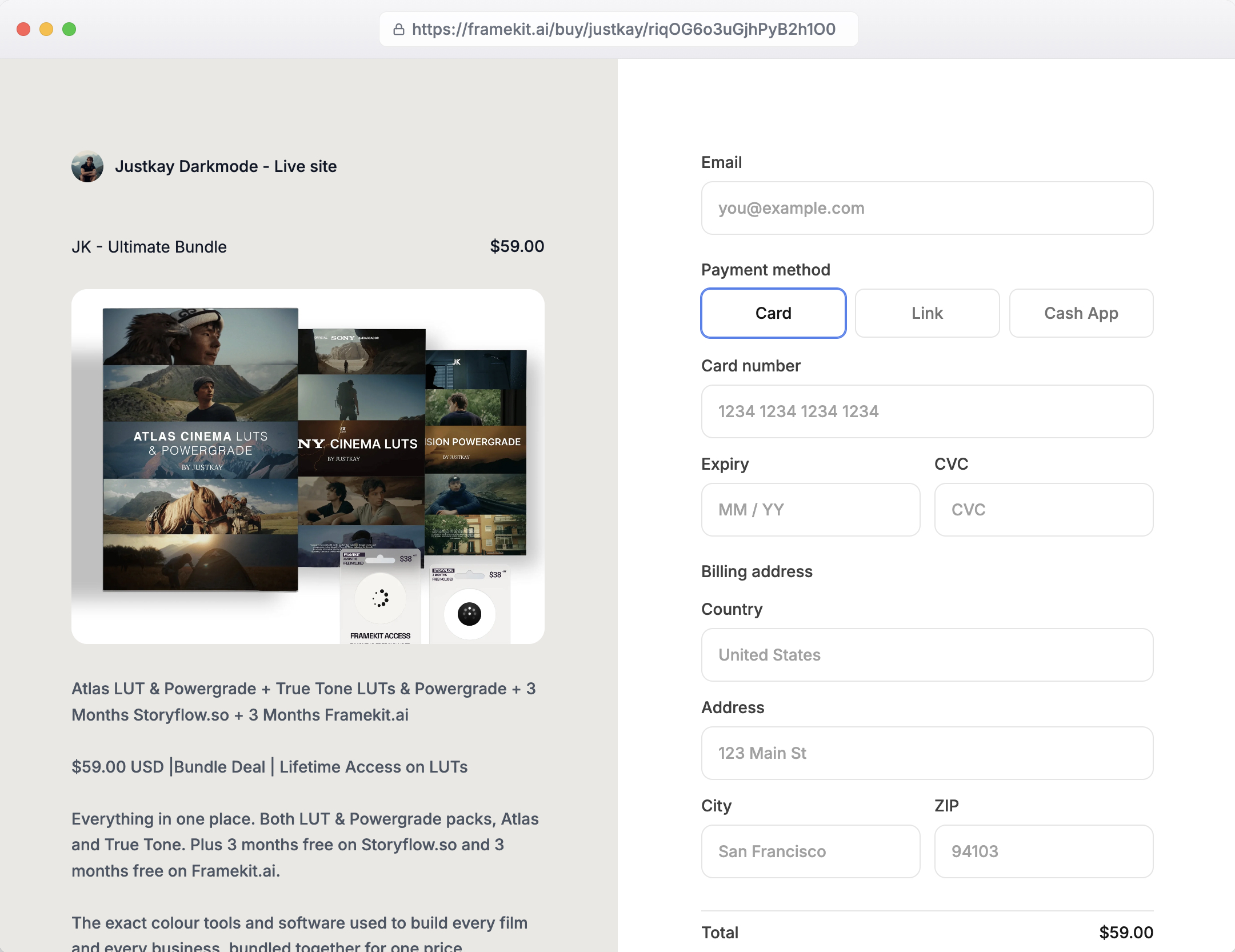
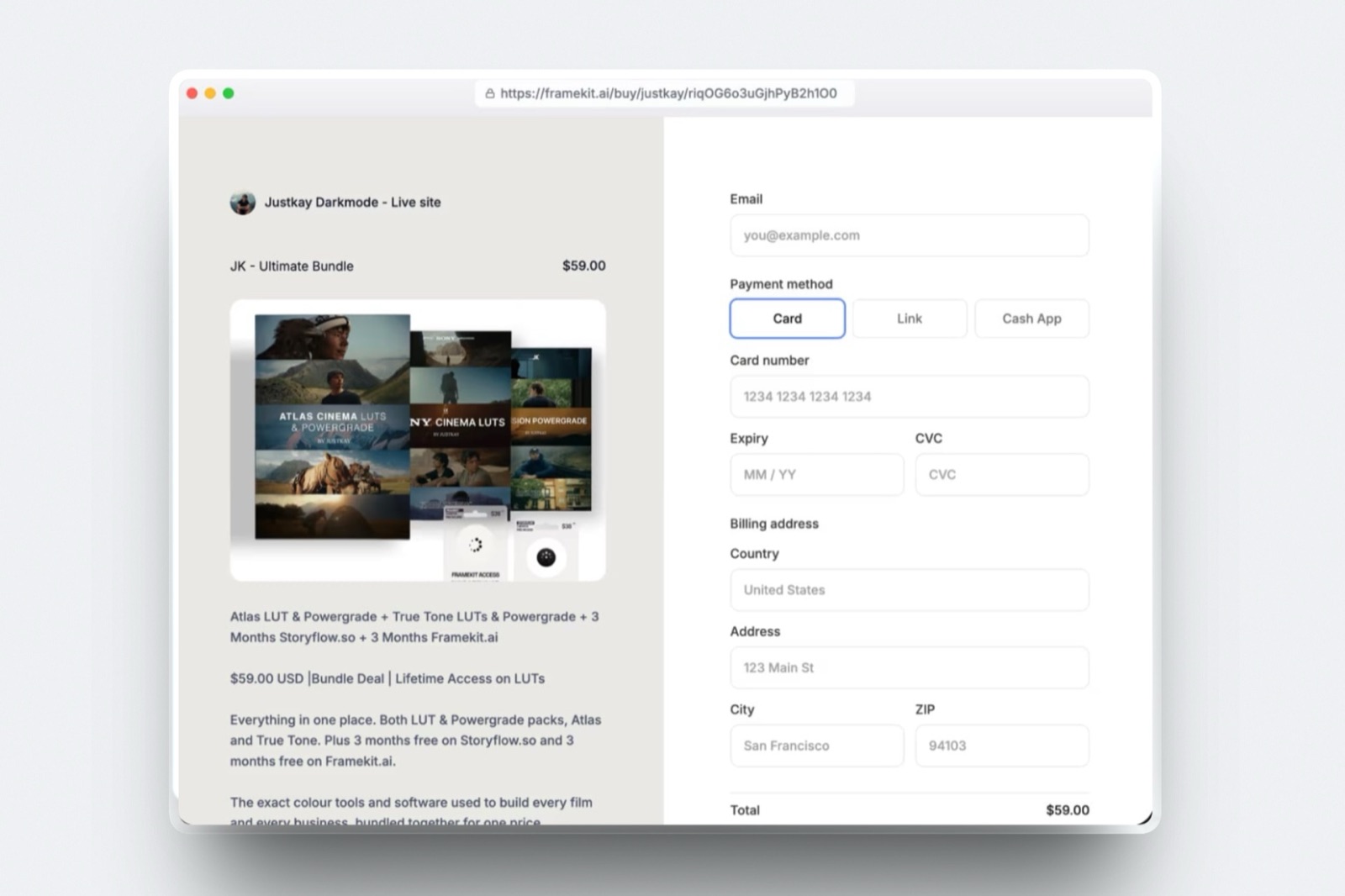
LUT packs occupy the same position for filmmakers that presets do for photographers, selling at $19 to $49 for fifteen to thirty hours of grading and testing work, and needing 38 sales a month to clear $1,000.
Why it ranks herethe same by-product logic applies. A colourist building looks for client work is most of the way to a saleable pack already.
The honest gotchaformat fragmentation. Buyers use different software and expect their variant, and supporting several formats multiplies both production and support time.
Best forcolourists and filmmakers with a distinctive grade.
8. Fonts: Highest Skill Ceiling
A font is sixty to one hundred and fifty hours of genuinely specialised work involving drawing, spacing, kerning and hinting, sells at $19 to $79, and needs 22 sales a month to clear $1,000.
Why it ranks here despite the hoursfonts age extremely well. A typeface released in 2020 sells identically in 2030, which is true of almost nothing else in this guide.
The honest gotchathe skill barrier is real and the hours are not compressible by working harder. This is a craft rather than a product idea.
Best fortype designers, and nobody else.
9. Icon Sets: Systematic and Durable
Icon sets take twenty to forty hours for a genuinely coherent set with consistent weights and grid, sell at $19 to $49, and need 38 sales a month to clear $1,000.
Why it ranks herethe work is systematic rather than creative-in-the-hard-sense, which means it is plannable. A hundred icons is a known quantity of hours.
The honest gotchadistribution economics are unusual. Our icons guide found that the major venues pay from subscription pools and none publish a rate.
Best fordesigners who enjoy systems and consistency.
10. Motion Graphics Templates: Underserved and Technical
Motion graphics templates sell at $19 to $59 for twenty to forty hours of building and testing, needing 28 sales a month to clear $1,000, which puts them among the better ratios here.
Why it ranks heredemand from video editors is steady and the supply of genuinely good templates is thinner than in static design.
The honest gotchaversion compatibility across editing software generates real support, and buyers expect it to work in their specific version.
Best formotion designers already working in After Effects or similar.
11. Photoshop Actions: Small, Fast, Cheap to Make
Photoshop actions take ten to twenty-five hours and sell at $15 to $39, needing 46 sales a month to clear $1,000. They are among the fastest products in this guide to produce once you know exactly which part of your process you are automating.
The honest gotchaversion compatibility questions arrive constantly, and the fix is a compatibility table shipped with the file rather than a better platform.
Best forretouchers with a repeatable process worth packaging.
12. Email Template Packs: Quietly Good Margins
Email template packs for Mailchimp, Kit or Klaviyo sell at $19 to $49 for fifteen to thirty hours of building and cross-client testing, needing 38 sales a month to clear $1,000.
The honest gotchaemail HTML is famously fragile across clients, and testing properly across the major ones is most of the work.
Best fordesigners who already build campaigns for clients.
13. Sound Effect Packs: Durable and Specialised
Sound effect packs sell at $19 to $49 for twenty to fifty hours of recording, editing, cataloguing and tagging, needing 38 sales a month to clear $1,000 after fees.
The honest gotcharecording is only half the job. Naming, tagging and organising a library is the part that determines whether anybody can use it.
Best forsound designers with field-recording habits.
14. Sample Packs: Same Shape, Different Buyers
Sample packs sell at $19 to $49 for thirty to sixty hours of production and processing, needing 38 sales a month, and reach music producers rather than the film sound designers who buy effect libraries.
The honest gotchathe market is fashion-driven. A pack tuned to a current sound dates faster than a sound-effects library does.
Best forproducers with a recognisable sonic signature.
15. 3D Models and Scenes: Wide Price Range
3D assets range from $15 for a single prop to $99 for a fully dressed scene, take twenty to sixty hours to model and texture, and need 22 sales a month at the midpoint to clear $1,000.
The honest gotchabuyers expect specific formats and topology standards, and getting either wrong produces refunds rather than questions.
Best for3D artists producing assets as a by-product of client work.
16. Illustration Packs: Style Sells, Volume Pays
Illustration packs sell at $12 to $39 for twenty to forty hours of drawing and cleanup, needing 46 sales a month to clear $1,000, with style rather than volume doing most of the selling.
The honest gotchathis is the category most affected by the rights and licensing questions that have grown louder over the past two years, and terms vary considerably between venues.
Best forillustrators with a style that is recognisably theirs.
17. Photo Overlays and Textures: Seasonal and Cheap to Make
Photo overlays and textures sell at $12 to $29 for eight to twenty hours of shooting and processing, needing 58 sales a month to clear $1,000 after fees.
The honest gotchathe demand curve is brutally seasonal. Our overlays guide found more than half of a typical year's revenue arrives in one quarter, which changes which fee model suits you.
Best forphotographers who already shoot texture and light as a habit.
18. Digital Planners: High Volume, Low Repeat
Digital planners sell at $8 to $25 for twenty to forty hours of layout and hyperlinking work, needing 74 sales a month to clear $1,000 - a high number driven by the low price.
The honest gotchabuyers rarely return, which we worked through in our planners guide - and that low repeat rate changes whether owning the customer is worth anything.
Best forsellers who can build a catalogue rather than a single annual product.
19. Procreate Brushes: Cheap to Make, Cheap to Sell
Procreate brush packs take ten to twenty hours to build and test across different canvas sizes, sell at $8 to $19, and need 74 sales a month to clear $1,000.
The honest gotchaat this price a 50-cent fixed transaction fee is over 4%, which is why bundling matters more here than platform choice.
Best forillustrators with an established Procreate workflow.
20. Workbooks and Worksheets: Underrated Middle Ground
Workbooks and worksheets sell at $12 to $29 for ten to twenty-five hours of writing and layout, need 58 sales a month, and sit squarely between a printable and an ebook in both effort and price.
The honest gotchathey need a genuine methodology behind them. A worksheet without a system is a printable with more pages.
Best forcoaches, educators and anyone who already runs a process with clients.
21. Ebooks and Guides: More Work Than People Expect
An ebook is thirty to sixty hours of writing, editing and layout for something that sells at $9 to $29, needing 58 sales a month to clear $1,000 after fees.
The honest gotchathe price ceiling is low relative to the effort. Writing takes as long as building a course and earns a fraction per sale, which is why so many ebooks become course lead magnets instead.
Best forwriters whose audience explicitly wants long-form from them.
22. Prompt Packs: Fastest to Make, Shortest Life
Prompt packs take five to fifteen hours to write and test, sell at $9 to $29, and need 74 sales a month to clear $1,000 - the fastest product here to produce and the shortest-lived.
The honest gotchathey expire. Our prompts guide found the product needs rewriting two or three times a year as models change, which is the only recurring obligation in this list.
Best forpeople with a visible body of AI-assisted output that buyers want to reproduce.
23. Memberships and Paid Newsletters: Recurring but Demanding
A membership or paid newsletter at $15 a month needs 74 subscribers to clear $1,000, and unlike every other product in this guide the work never finishes because next month always needs something new.
The honest gotcharecurring revenue means recurring obligation. Every month you owe something, and involuntary churn from expired cards quietly erodes the base.
Best forcreators who publish consistently anyway and are already doing the work for free.
24. Stock Photos and Footage: Volume Business, Not a Product
Stock photography and footage is priced per item from $5 to $200 and is not really a product in the sense the rest of this list means. It is a portfolio that earns from accumulation over years rather than a thing you build once.
The honest gotchameaningful income requires hundreds or thousands of accepted assets, and per-download payouts on subscription platforms are frequently cents.
Best forphotographers and filmmakers with large archives already shot.
25. Printables: Easiest to Make, Hardest to Earn From
Printables take two to eight hours to make and sell at $3 to $12, which means 233 sales a month to clear $1,000 after fees - the highest number in this guide by a factor of three over the next-worst product.
Why it ranks last despite being the easiestthe arithmetic. Two hundred and thirty-three sales a month is a serious traffic business, and most people who choose printables because they are easy have not looked at that figure.
The honest gotchathe low barrier means enormous competition, and price is the only lever most sellers pull.
Best forsellers who genuinely enjoy volume and search optimisation, or as an entry product feeding something more expensive.
What Actually Separates These, Beyond the Table
The table ranks on hours and price, which is the right first cut and not the whole picture. Three further properties determine whether a product type will still be worth running in two years, and none of them appears in a margin calculation.
In one linethree properties decide whether a product type suits you, and none of them is margin.
Durability. A font sells unchanged in ten years. A prompt pack needs rewriting three times a year. A sample pack goes out of fashion. Products that age well compound; products that expire are a job with extra steps.
Fonts, icon sets and sound libraries are the most durable things in this list.
Support intensity. Templates and systems generate questions because buyers are adapting them. Files generate questions about compatibility. Courses generate questions about the content itself.
Printables generate almost none. This is a real cost that scales with sales and appears nowhere in a margin calculation.
Whether it is a by-product. The best-returning products here are ones you were going to make anyway. A photographer's presets, a colourist's LUTs, a designer's icon system, a 3D artist's props.
When the first unit costs you nothing because it already existed, revenue per hour becomes very hard to beat.
That last point is the most useful filter in this guide. Before choosing from the table, ask what you already make in the course of your work that somebody would pay for. That answer beats anything on this list, because its production cost is already sunk.
The test to run before you build anything
- Pick a product type and find your sales-to-$1,000 figure in the table.
- Ask honestly whether you can reach that many buyers a month within six months.
- If the answer is no, move to a higher price band rather than working harder on the same one.
The most common mistake in this whole category is choosing a cheap product because it is easy to make, and then needing hundreds of sales a month to earn anything.
Where to Sell Whichever One You Choose
This section covers the part of the problem we happen to work on, and it is labelled clearly so you can skip past it without missing anything that affects the ranking above.
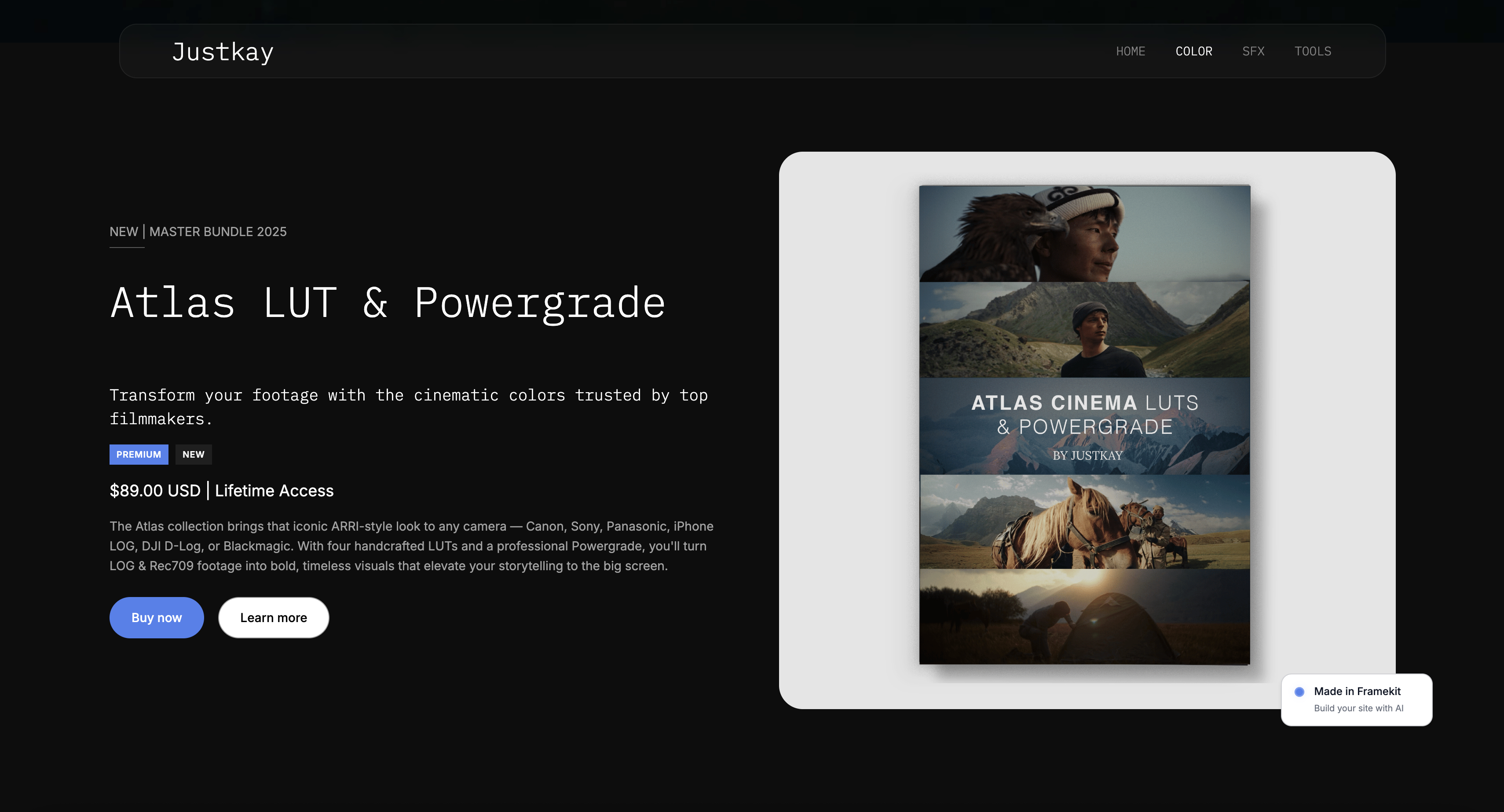
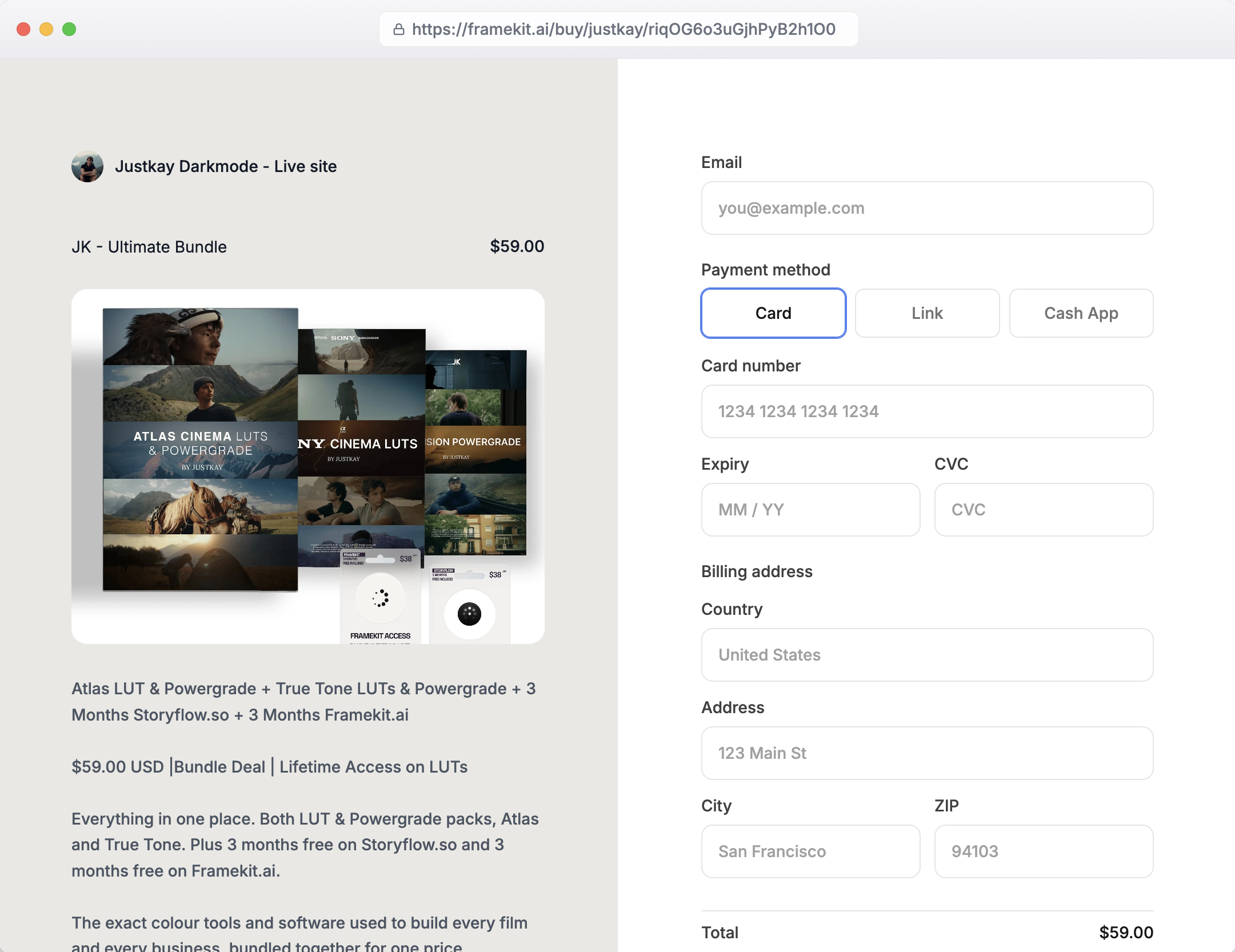
Framekit is an AI website builder for photographers, filmmakers, designers and other creators, with a store built in.
Its relevance to a guide about product types is narrow but real: the fee assumption underneath every figure in the table above is a 5% store fee, and that is a choice rather than a law.
On Framekit, product sales are charged at 5% on the Free and Starter plans, 3% on Pro at $19 a month and 0% on Business at $39 a month, with card processing paid separately to the processor.
Above $780 a month in sales - which is $39 divided by 5% - the flat plan costs less than the percentage and then stops rising.
Two honest limitations that bear on this specific list.
Framekit publishes no per-file ceiling or bandwidth allowance, which raises no question for presets, templates, planners, prompt packs and most of the products above, and leaves the mockup bundles and sample libraries that run to gigabytes as something to test before launch rather than a stated guarantee.
And we bring you no discovery at all, which matters most for the high-volume, low-price products at the bottom of the table - printables and planners live on marketplace search traffic, and a site does not supply that.
If you pick a heavy product or a search-dependent one, several guides in this series recommend somebody else, and they mean it.
Decision Guide
This is ordered by what you already have rather than by what sounds appealing, because in this category the resources you bring - an audience, a body of work, search traffic - decide the answer far more than the product type does. Work down and stop at the first yes.
1. Do you already produce something as a by-product of client work?
Yes: sell that. Presets, LUTs, icon systems, 3D props and mockups all start with production cost near zero, which beats anything on this list.
2. Do you have an audience that trusts your expertise?
Yes: an online course at $99 to $997 needs only four to eleven sales a month. Nothing else converts a reputation into revenue this efficiently.
3. Do you want something sellable this weekend?
Yes: Canva templates or a prompt pack, both of which reach a first unit in five to fifteen hours.
4. Do you have search traffic or marketplace presence but no personal following?
Yes: printables, planners or stock, which sell to strangers - and check the sales-to-$1,000 figure before committing.
5. Do you want something that will still sell in 2035?
Yes: fonts, icon sets or sound libraries. They take the longest and they age the best.
6. Do you want recurring rather than one-off revenue?
Yes: a membership or paid newsletter, at 74 subscribers for $1,000 a month at $15 - and understand that the obligation never ends.
Frequently Asked Questions
These are the questions people ask before building anything, which is exactly the right time to ask them and considerably cheaper than asking afterwards.
What is the best digital product to sell in 2026?
Notion templates and Canva template packs are the best digital products to sell in 2026 for most creators, because they reach a sellable first unit in five to twenty hours and sell at $12 to $49, needing 38 to 58 sales a month to clear $1,000.
Online courses produce the most revenue per sale at $99 to $997, needing only four to eleven sales, but require an existing audience and sixty to two hundred hours of work.
Which digital product makes the most money?
Online courses, on a per-sale basis, by a wide margin - a $299 course needs four sales a month to clear $1,000 against 233 for a $5 printable.
Whether that translates into the most money for you depends entirely on whether you can reach people who will spend $299, which is a question about your audience rather than about the product.
What digital product is easiest to make?
Printables, at two to eight hours, followed by Canva templates and prompt packs at five to fifteen. The catch is in the table: printables are the easiest to make and need the most sales of anything here, at 233 a month for $1,000, because a $5 price leaves $4.31 after fees.
How many sales do I need to make $1,000 a month?
Between four and 233, depending entirely on price. After a 5% store fee and card processing at 2.9% plus 30 cents, a $299 product needs 4 sales, a $49 product needs 22, a $19 product needs 58, and a $5 product needs 233.
That range is the single most useful thing to know before choosing what to build.
Are digital products still profitable in 2026?
Yes, and the profitable ones are increasingly those with a defensible reason to buy from you specifically. Categories with low barriers - printables, generic templates, prompt packs - are crowded and compete on price.
Categories tied to demonstrated skill - presets from a photographer with a look, LUTs from a working colourist, fonts from a type designer - remain strong because the work itself is the marketing.
What is the most passive digital product?
Fonts, icon sets and sound libraries, because they age slowly and generate few support questions once documented.
The least passive are courses, memberships and prompt packs: courses need student support, memberships need new content every month, and prompt packs need rewriting when models change.
Should I sell one product or several?
Several, eventually, and one first. A single product tells you whether anybody wants what you make.
A catalogue is what raises repeat purchases, and repeat purchases are what make owning your customers worth more than a marketplace's commission - which is the argument running through our whole selling series.
What digital product should a photographer sell?
Lightroom presets first, because the production cost is close to zero if you already have a recognisable look, and 38 sales a month at $19 to $39 clears $1,000. Photoshop actions, overlays and textures are natural extensions.
All three depend on having a body of work that demonstrates the result, which is why a portfolio matters more here than the platform does.
How long does it take to make a digital product?
Between two hours and two hundred, and our estimates are in the table above. Printables and Canva templates take a weekend, presets and actions take one to three weeks of part-time work, fonts and courses take months.
Treat those figures as planning starting points rather than measurements, because they vary enormously with experience.
Do I need a website to sell digital products?
Not to start, and it changes the economics once you have an audience. Marketplaces supply buyers and take a share; your own store supplies none and takes almost nothing.
The right answer depends on your repeat-purchase rate, which we worked through in detail for planners and which applies to every category here.
What is the biggest mistake people make choosing a digital product?
Choosing on how easy it is to make rather than on how many sales it needs. A $5 printable feels like the safe first step and requires 233 sales a month to matter; a $49 template requires 22. Both take a finite number of hours, and the second one is not ten times harder.
Can I sell digital products without an audience?
Yes, through marketplaces, and it changes which products make sense. Without an audience you need search-driven categories - printables, planners, stock, Etsy-friendly templates - where buyers arrive looking for a thing rather than for you.
Audience-dependent products like courses and memberships do not work from a standing start, regardless of quality.
The Verdict
Notion templates and Canva packs win on the criterion this guide ranks by, which is what an hour of your work returns.
Both reach a sellable first unit in a weekend or two, sit in a price band where 38 to 58 sales a month clears $1,000, and carry a support burden you can document your way out of.
Online courses are the highest-earning product here and the least suitable for most people reading a list of ideas, because four sales a month at $299 requires a reputation rather than traffic.
Printables are the most commonly recommended starting point and, on the arithmetic, the hardest place to earn.
The most useful thing in this guide is not the ranking.
It is the last column of the table and the by-product test: before choosing anything from this list, ask what you already make in the course of your work that somebody would pay for. A photographer's presets and a colourist's LUTs beat every idea here on revenue per hour, because the first unit was already built and paid for by a client.
Where Framekit loseswe bring you no buyers, which matters most for exactly the high-volume, low-price products at the bottom of this table - printables, planners and stock all live on marketplace search traffic that a website does not supply.
We also publish no per-file ceiling, so for the mockup bundles, sample libraries and 3D scenes near the middle of the list, a store that states its limit, such as Sellfy, is the safer bet until you have tested a full-size upload with us.
Verdict: sell the thing you already make. If there is nothing, start with a Canva or Notion template to learn whether people buy from you at all, and only then pick something from the top of the table with a sales-to-$1,000 figure you can actually reach.
Fee arithmetic in this guide is exact and calculated at a 5% store fee plus 2.9% and 30 cents in processing. Price bands and production-hour figures are our estimates rather than measured data, and are labelled as such above; adjust them for your own speed and market.
Related readinghow to start selling digital products, how to price digital products, what it costs to sell digital products online, the best website builders to sell digital products, and the best payment processors for digital products.
If the product you land on is a book or a guide, the best platforms to sell ebooks covers where to put it, including why Amazon's royalty bands punish illustrated titles.