AI Tools
Framekit vs Pitch 2026: Do You Need the Telemetry?
Pitch is built around needing to know who opened the deck. We are built around it not mattering. That one question settles most of this comparison.
11 min read
CATEGORY
How AI is transforming web development
Pitch is built around needing to know who opened the deck. We are built around it not mattering. That one question settles most of this comparison.
Gamma meters AI by the credit and bills by the seat. Framekit meters neither and bills by the account. That one difference decides more of this comparison than any feature.
Not which is the better design app, because that answers itself. Which one makes the document your client is waiting for, and which of your subscriptions is redundant.
Claude Slides arrived on 16 September 2026 and Gamma users want to know if it replaces them. The honest answer depends less on the slides than on where the finished deck has to live.
Claude Design writes a good first version of almost anything visual. These nine tools win the jobs it was not built for: house templates, links under your own name, native files and team systems.
Gamma sells credits more than it sells plans. Here is every tier at its September 2026 price, the credit rules in plain English, and the per-deck arithmetic nobody else shows.
Adobe Express hands you 25 generative credits a month and then stops. We compared nine alternatives on credit limits, asset licensing, and what you keep if you leave, including one for creatives whose Express output is decks.
The real iPad question is not which app looks nicest, it is whether you can build a deck on one, present it, or only read it. We tested nine apps on an iPad Pro and added a tenth for decks sent to be read.
Your deck looks richer on a Mac than anywhere else, and that is a problem. We tested eight presentation apps on Apple Silicon, on a projector, and on export, and added our own deck tool for creative work.
Miro's free plan stops at three boards, and the next step is $96 a person a year. We ran the same discovery workshop through 12 alternatives, including three that cost nothing at all.
Both free plans stop at three boards. After that Miro costs $96 a year per person and FigJam costs $36. We ran the same three workshops through both.
Prezi is not a better PowerPoint, it is a different argument shape. We rebuilt the same talk in both and found the tier gates that decide whether Prezi is usable at work.
Canva bought Affinity and made it free. Figma sells a $3 seat almost nobody knows about. We ran four real jobs through both tools and priced every seat type.
Canva makes better-looking decks faster. PowerPoint makes decks that never need explaining. We built the same 20 slides in both and logged what each one costs you.
Keynote is free, better looking, and almost nobody else can open it. PowerPoint costs $99.99 a year and never needs explaining. We built the same 18-slide deck in both.
PowerPoint costs $99.99 a year and Google Slides costs nothing, so the real question is what the free one cannot do. We built the same deck in both and converted it both directions.
Figma Slides gives designers real components and auto-layout, then flattens all of it on export. We rebuilt one 24-slide case study in eight alternatives, added Framekit Slides, and found where the trade sits.
Visme's free plan stamps a watermark on every single export, and paying monthly costs 2.4x the annual rate. We rebuilt one client report in 11 alternatives to find the honest replacements.
Keynote is the best presentation app almost nobody else can open. We rebuilt the same 18-slide deck in nine alternatives, reviewed Framekit Slides from its features, and tracked exactly what broke on the way out.
Presentation software is the one tool creatives pay for and never compare. We built the same 18-slide client deck in 13 of them, opened every share link on a phone, priced a year of each, and set them against Framekit Slides, the one built for treatments, lookbooks and pitch decks.
Every AI presentation maker gives you a free trial measured in credits, and almost none of them tell you what a deck costs. We ran the same brief through 10 of them, did the arithmetic, and set them against Framekit Slides, the one built for treatments and lookbooks.
Canva is a brilliant generalist, which is exactly why filmmakers, photographers and designers outgrow it for pitch decks. We built the same deck in 13 alternatives, added Framekit Slides, and scored what each fixes and what it costs you.
Almost everyone meets Gamma the same way: amazed in week one, out of credits in week three, and stuck with a card deck that will not sit still on a projector. We compared 8 alternatives on the things that actually push people out.
Tome had 20 million users and shut its presentation product anyway. We compared 7 alternatives on the two things that matter after a shutdown: how good the drafts are, and how easily you can get your work back out.
Gamma writes your first draft in a minute and Canva makes the better final deck. We built the same 14-slide deck in both and priced a year of each.
The AI tools that changed post-production are not the ones that generate footage. Roughly 45% of a typical edit is now automatable, and none of it is the creative part. Here is what that is worth.
The real question is not which tool makes the prettiest scene, it is which part of the photograph the AI is allowed to invent. We priced 8 tools per finished image and read every commercial licence tier.
The image quality race is over. What decides which generator you pay for in 2026 is cost per image you keep and whether you are allowed to sell the output. We read the pricing pages and the licences.
Nobody generates one image of a room and shows it to a client. Every tool prices per generated image, so the number on the pricing page is roughly a quarter of what a deliverable room costs.
The encoders are shared. x264 and x265 sit underneath most of these products, free and paid alike, which is why the top of this ranking costs nothing.
Price is not the variable here. Ten of eleven tools cost nothing, so the real question is whether the tool tells you when your palette does not work, and five of them never will.
The licence price is the smaller half of the bill. Five render nodes add a reported $1,645 a year under Redshift and nothing at all under Blender, and crossing $100,000 of revenue multiplies your software cost by roughly six.
YouTube's own A/B test is free, and it picks the winner on watch time rather than clicks, which penalises exactly the clickbait the rest of this category optimises for.
One vendor keeps the copyright in your tracks on both its free and its first paid tier. We priced every tool by the cost of a track you can legally put in a client video.
These plans are sold by video count and capped by video length, so the advertised number tells you almost nothing. Multiply the two and the same product's captions cost $0.023 or $0.63 a minute.
Every teleprompter app has solved scrolling text and several do it free. None of them solves the problem you actually have, which is that your eyes go to the text and the text is not the lens.
Restoring a hundred family photographs costs nothing locally, about $8 through the cheapest paid service, or $3,800 through a studio. On a damaged face, every AI tool we tested produced a different person.
Compressing 10,000 images costs $85.50 through the most popular API, $59 once through a desktop app, and nothing at all through four free tools. The bigger saving is not compression at all.
Every AI logo maker is free to design and charges at download, and at one popular service the $20 package is a low-resolution PNG with a coloured background. We followed all eleven checkouts to the real price.
Half the guides in this category still recommend a tool Canva closed in September 2024, and most free tiers export below the resolution a business card needs. We measured every export against what printing actually requires.
Background removal is a solved problem and the prices have not caught up. We ran the same forty images through ten tools and found a 1,000-cutout bill ranging from nothing to $270 for output we could not tell apart.
Every AI headshot service sells you a big pack of images, and you only ever publish one. We ran identical selfies through twelve of them and priced each by the picture you would actually use.
The free After Effects alternative every list still recommends was discontinued in January 2025, and the best motion design app in the category quietly became free in April 2026. We built the same 30-second piece in all eight.
We drew the same brand package, complete with CMYK print output, in eleven Illustrator alternatives and priced each one per delivered logo package. Four produce professional client deliverables for $0.00.
Procreate costs $12.99 once and runs on exactly one kind of device. We drew the same layered illustration in ten alternatives across iPad, Android and desktop, and priced what it takes to cover every device you actually own.
Topaz stopped selling a perpetual licence, DaVinci Resolve Studio hides the best value at $295 once, and one popular plan covers about ten minutes of video a month. We tested all nine and converted every price to cost per upscaled minute.
Affinity went from $169.99 to free, Apple bundled Pixelmator Pro into a subscription, and two old favourites stopped shipping updates. We tested all 12 on the same twenty-frame retouching job and priced every one over five years.
Every vendor in this category prices in a different unit: credits, minutes, media hours, or points. We dubbed the same three-minute clip into Spanish with nine tools and converted every published plan into one comparable number, the cost of one finished dubbed minute. The cheapest is ten cents and the most expensive is 7.50 dollars, and the expensive one is not the good one.
We produced the same ninety-second explainer script, in English and one other language, with five AI avatar video tools. Converting every plan to cost per finished minute makes the category comparable for the first time, and the number is higher than most people assume.
We fed the same sixty-two-minute recorded interview to six AI clipping tools and asked each for five captioned vertical clips. The comparison covers what the AI actually chooses, what free tiers export, and why the caption quality matters more than the clip selection.
We upscaled the same 6-megapixel wedding frame and a lost 1200px product shot four times over in six AI upscalers. The comparison covers what each one invents, what a print at 60 by 40 centimetres really needs, and the category's shift away from buying software outright.
We produced the same three pieces, a 900-word case study, six captions and a client proposal, with seven AI writing tools. The comparison covers what a general assistant does better than a marketing platform, where the specialists earn their price, and the gap that has opened in this category.
We generated the same twelve-second product shot from one prompt and one reference photo in six AI video generators. The comparison covers what a credit actually costs, which free tiers can produce anything usable, and why no two platforms can be priced against each other directly.
We ran the same forty-eight-minute client discovery call through six AI meeting notetakers to see which ones catch the details that decide a project. The comparison covers free tiers, whether a bot joins your call, storage caps, and what happens to recordings of your clients.
We rebuilt the same 47-node project plan in 12 leading mind mapping tools to find which ones actually change how you think, not just how you draw. The comparison covers AI features, collaboration, export, what the free tiers really cost, and who each tool is wrong for.
Transcription is sold per minute, per hour, or per month, and documentary editors burn a fortune finding out which. We compared 10 tools on cost per hour of media at both AI and human tiers, caption exports your NLE actually reads, speaker labels, and training policies.
AI voice tools bill in characters, in minutes, and in credits, and the three units are not comparable until you convert them. We normalised 8 tools to cost per 1,000 characters, priced the same film narration on every one, and mapped which tier actually grants commercial rights.
Most AI design roundups list image generators and stop. We tested 12 AI tools across research, imagery, wireframing, and actually shipping the site, and priced three realistic annual stacks for a working designer.
Most AI filmmaking roundups list generators and stop. We tested 12 AI tools across script breakdown, edit, colour, sound, restoration, and delivery, and priced a realistic annual stack for an independent filmmaker.
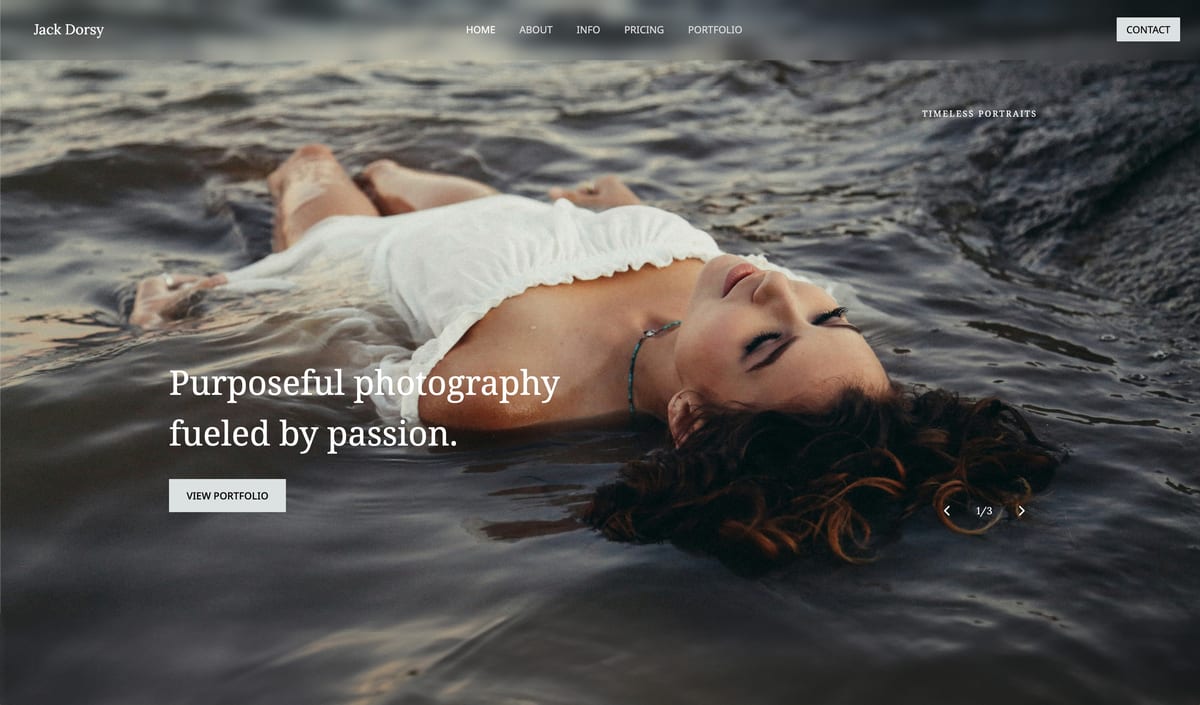
A web designer quotes you a few thousand dollars. An AI builder is free. The real decision is not the price tag, it is what your project actually needs. Here is the honest comparison.
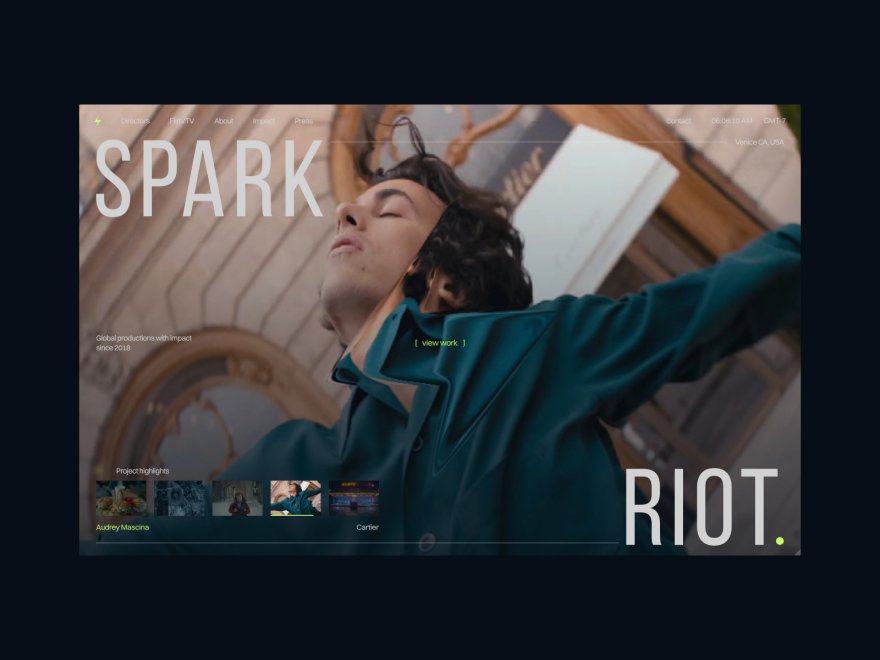
You saved a screenshot of a design you love and wished your site looked like that. AI can now bridge that gap. Here is how to build a website from a screenshot, honestly and without copying anyone.
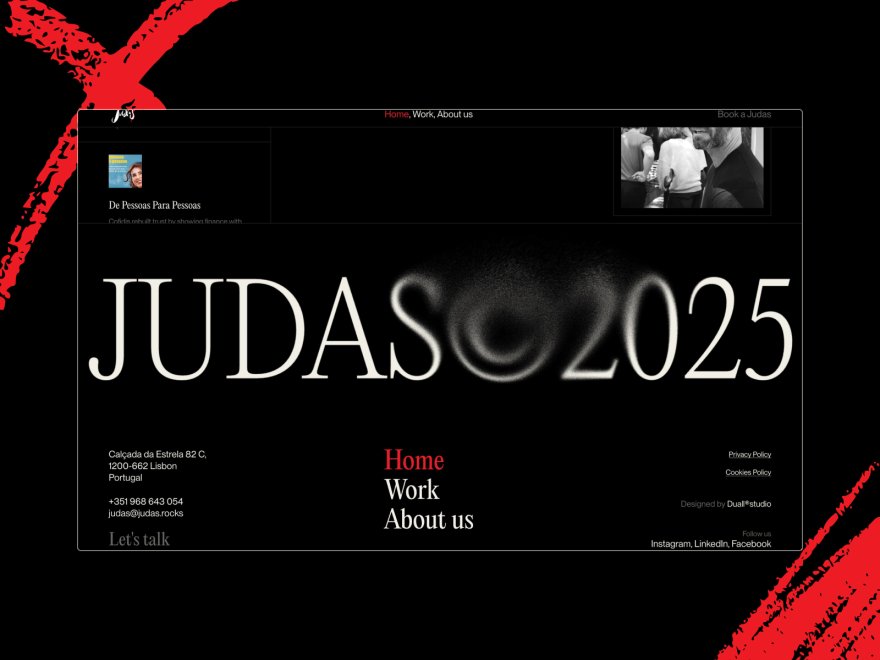
Ask any creative forum whether AI website builders are good and you get two loud, opposite answers. The honest answer is more useful than either, and it depends on which tool and what you need.
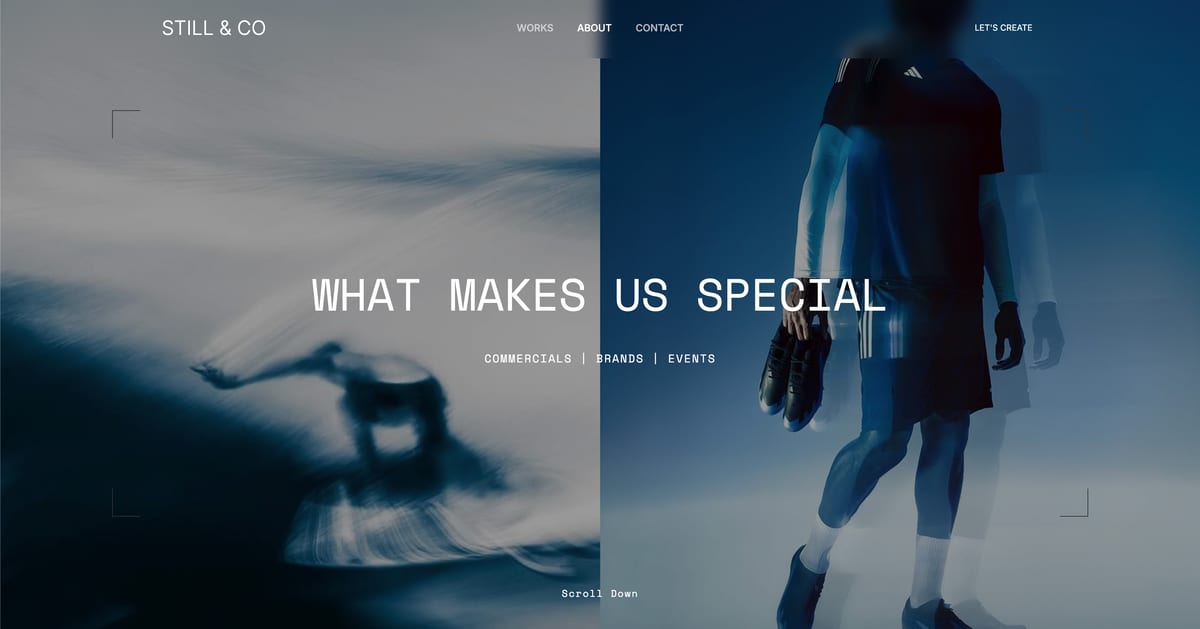
Vibe coding can generate a website that looks real in minutes. Then you try to change the font. This is the honest guide to where vibe coding a website works for creatives and where a no-code AI builder wins.
B12 bundles scheduling and intake for service businesses, but the design is generic and the price climbs fast. We tested 8 alternatives on design quality, value, and features to find the ones worth switching to.
Dorik is a clean, low-cost AI website builder, but its AI is shallow and the component library is thin. We tested 6 alternatives on design depth, performance, and cost to find the ones worth switching to.
Durable builds a small-business website in under a minute, but the design is shallow and you cannot export the site. We tested 9 alternatives on design quality, performance, and real cost to find the ones worth switching to.
Squarespace is easy until you try to make it look like you. We tested 8 AI-powered alternatives to find the best Squarespace alternative for creatives in 2026.
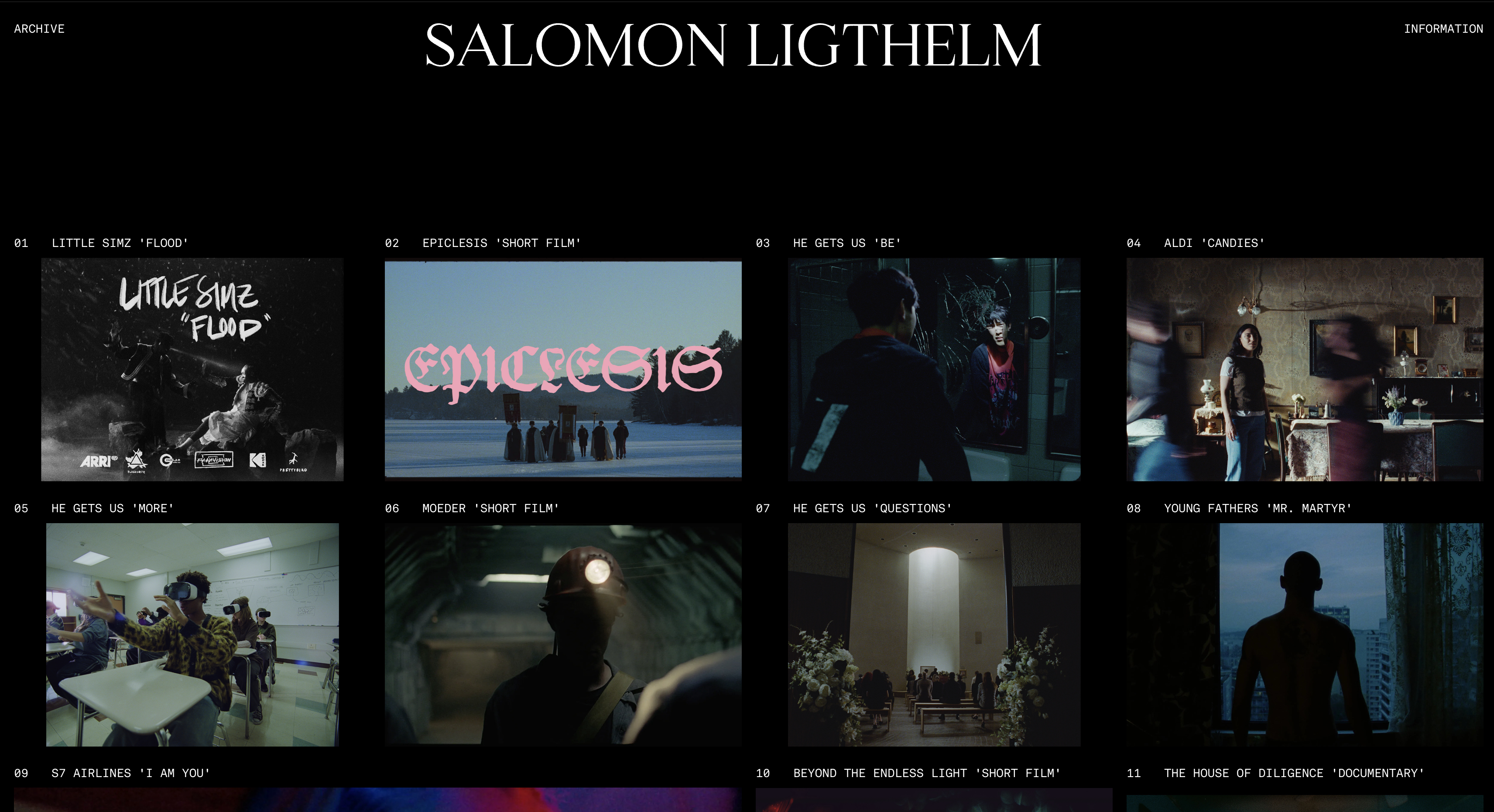
Most AI website builders generate sites that look like AI generated them. We tested 12 of the leading platforms on design quality, performance, SEO, and 3-year cost to find the ones that actually produce professional results.
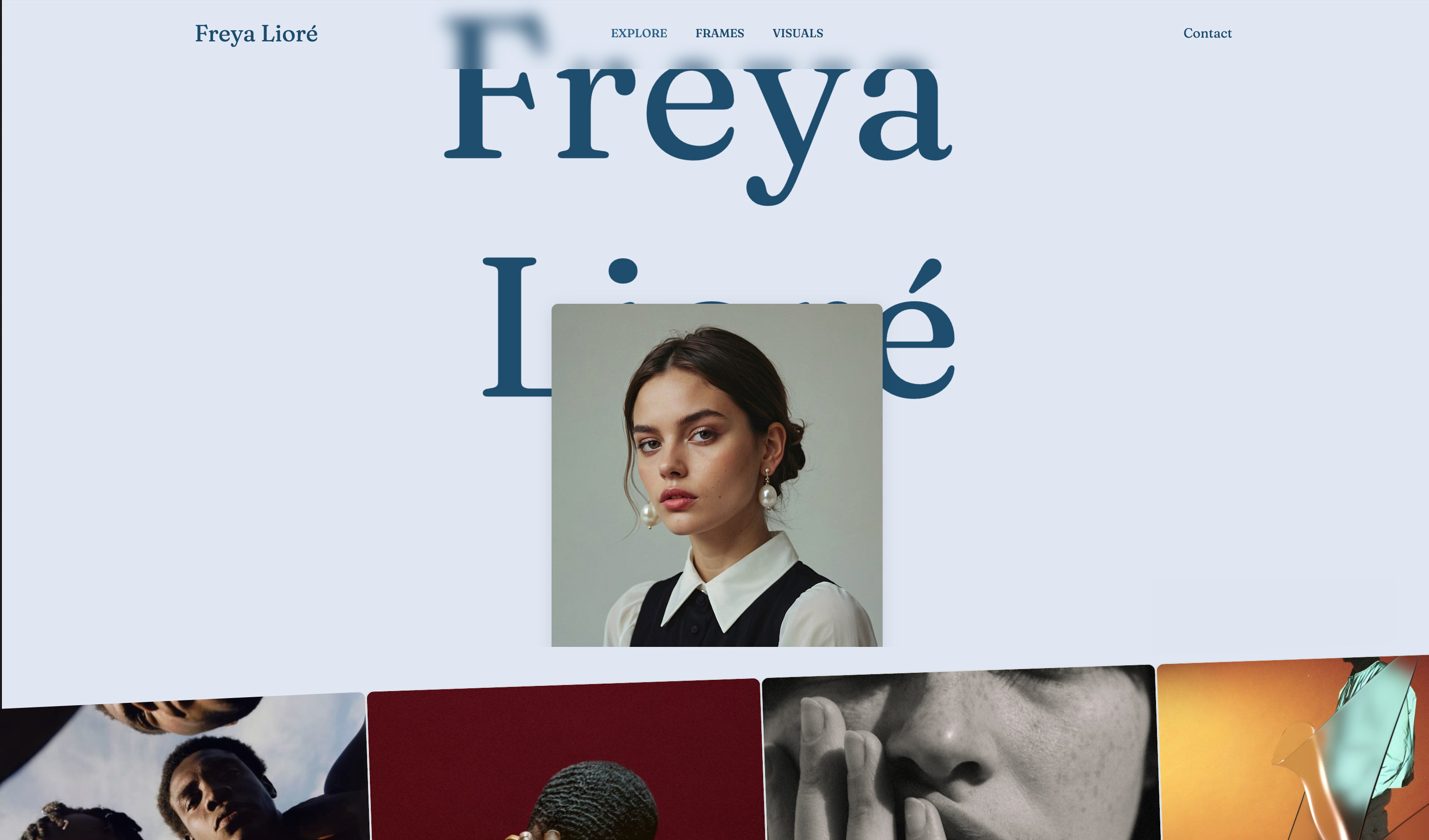
Course creators, newsletter writers, podcasters, community builders, and digital-product sellers all need different things from a website. Here is which AI website builder fits each creator business in 2026.
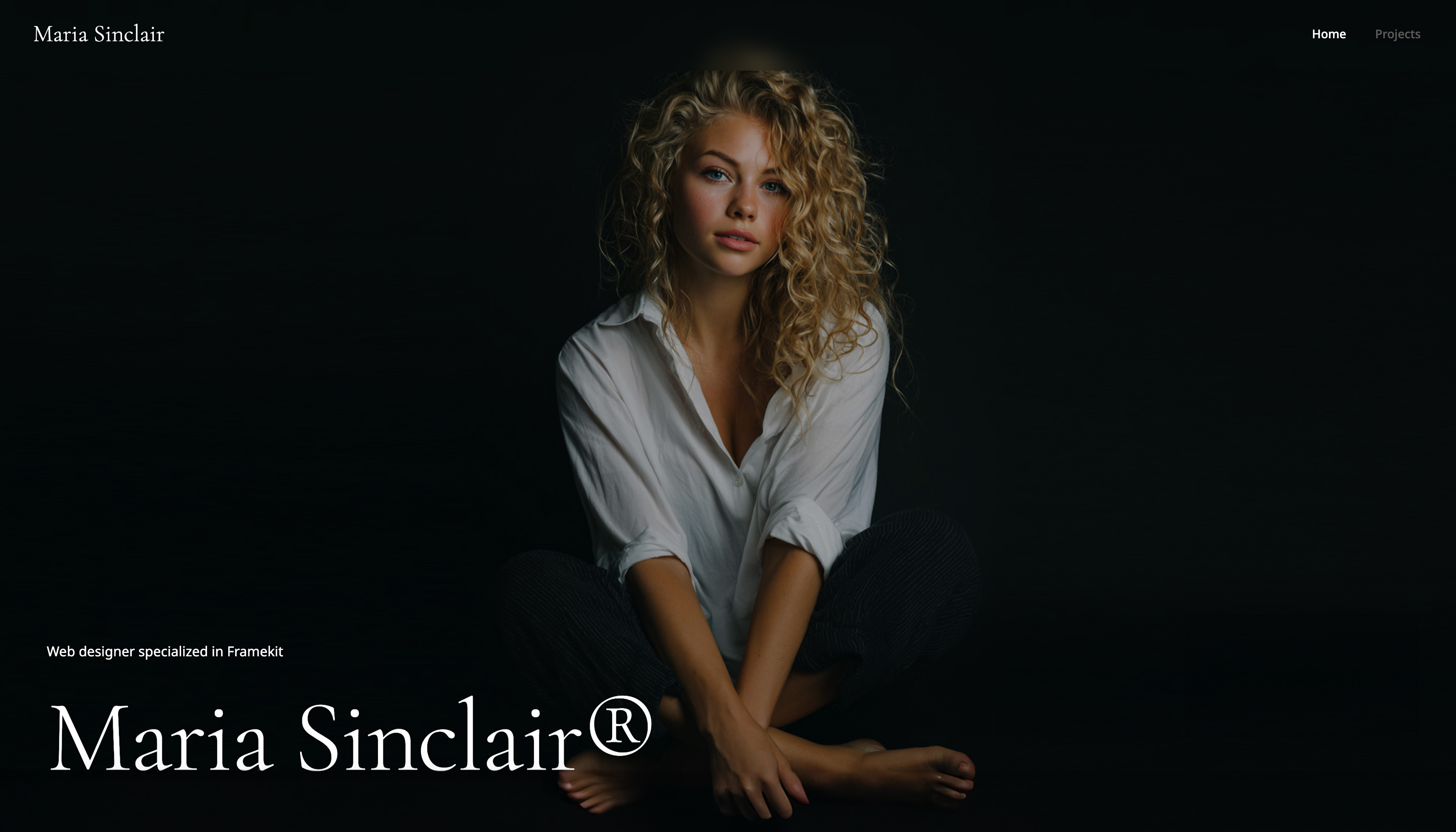
Creative professionals need websites that showcase their work beautifully and load instantly. We tested 6 AI builders across 45 creative portfolios to find which platforms actually deliver.
Join thousands of creative professionals using Framekit to create stunning portfolios in minutes.
EXPLORE TEMPLATES